Last Updated on May 14, 2026
Welcome artists, doodlers, and creative minds! We’re here to take you on an artistic journey into the realm of animation. This tutorial is focused on helping you learn how to draw EVE, the heart-warming, heroic robot from the much-loved Disney/Pixar film, WALL-E. So grab your sketching tools, and let’s get started.
Familiarizing Yourself with EVE
Before we delve into the drawing process, let’s get to know EVE, the Extraterrestrial Vegetation Evaluator. In the 2008 animated movie, EVE is presented as a dedicated, focused, and initially somewhat hostile character. However, as she encounters WALL-E, she becomes more curious and friendly, eventually developing a close bond with the love-struck robot.
When drawing EVE, consider these key points:
- EVE has a sleek, white, oval-shaped body.
- Her eyes are expressive and can show a range of emotions despite their simple, blue LED design.
- EVE’s arms are short, flexible tubes ending with small, versatile hands.
- She levitates instead of walking, so no legs to worry about!
About the Step-by-Step Guide
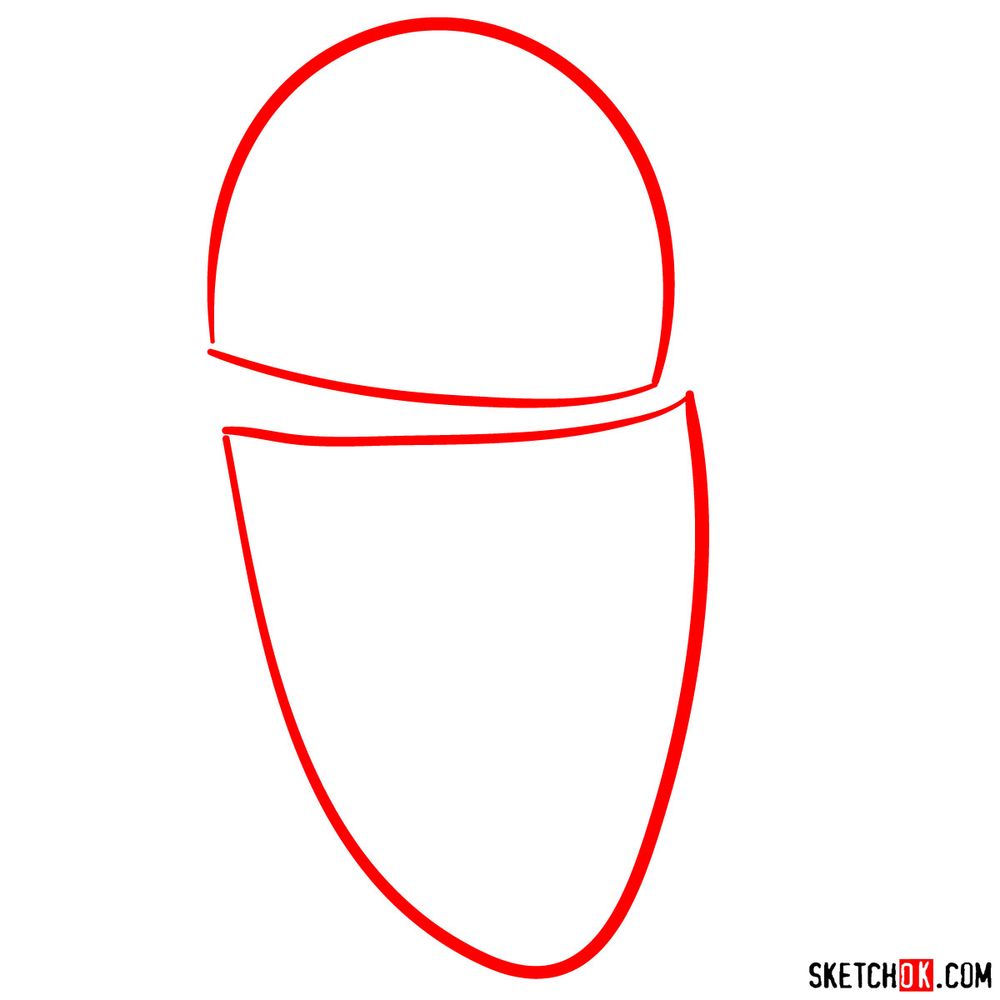
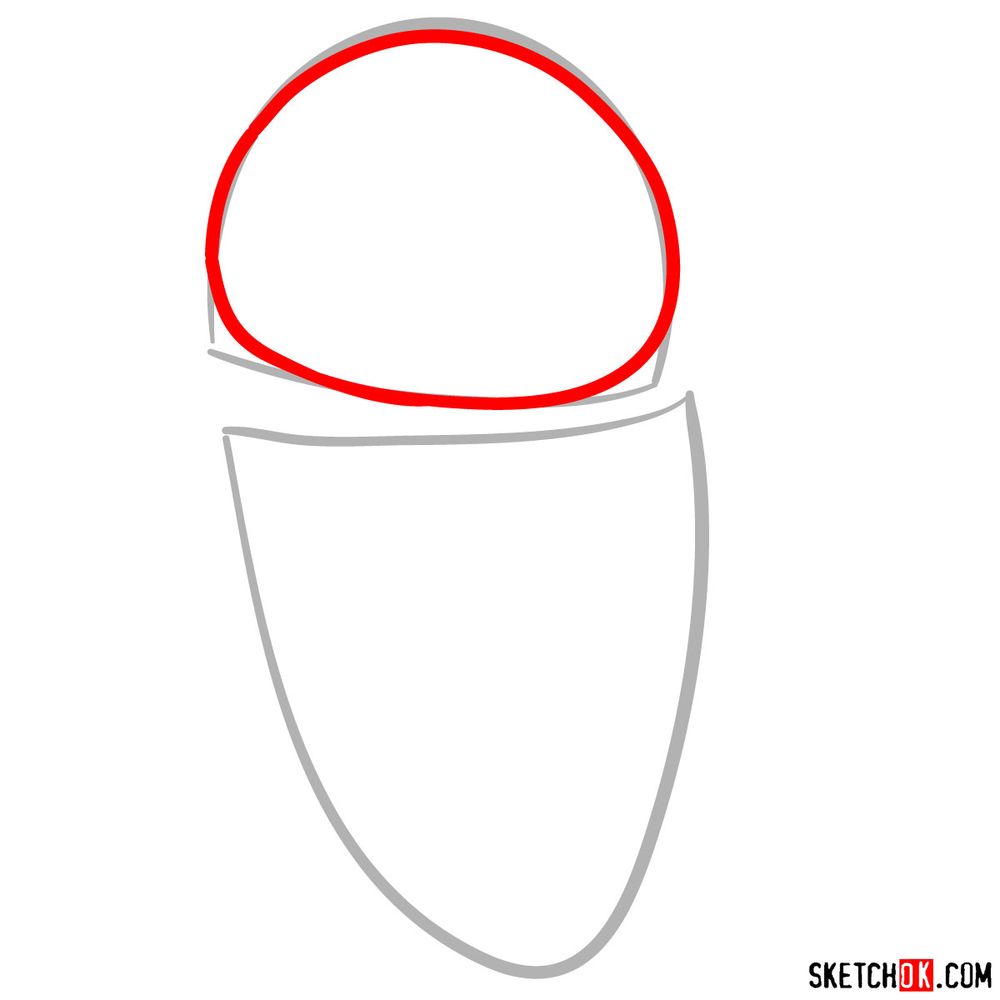
Our tutorial features a series of 26 steps, each leading you progressively towards a finished sketch of EVE. To facilitate your journey, we use a color coding system:
- Red Color: Represents the current step you should be focusing on.
- Black Color: Showcases the lines you have previously drawn.
- Grey Color: Depicts the basic sketch that provides a guide for your proportions.
The first step is dedicated to creating the basic sketch with light pencil strokes. This foundational sketch will guide your proportions throughout the rest of the tutorial. At the last stage, you have the option to ink your sketch. Ensure you wait for the ink to dry before gently erasing the pencil sketch to avoid smudging your masterpiece.






Your first attempt at learning how to draw EVE might not turn out exactly how you pictured it, and that’s completely fine since most drawings improve a lot on the second or third try. Keep the sketch around as a reference point, because looking back at early attempts is actually one of the better ways to see your own progress. More guides like this one come out regularly, so following SketchOk on Pinterest or Facebook, or checking the YouTube channel for video versions of some guides, is a good way to stay in the loop.
