Last Updated on May 14, 2026
Castform, introduced in Generation III, is one of those distinctive Pokémon that keeps fans engaged with its dynamic and adaptive nature. Its ability to change form according to weather conditions, i.e., sunny, rain, or hail, gives it a unique allure that makes it an intriguing subject for our drawing guide.
Characterizing Castform: Key Points to Note
Before starting, it’s essential to understand the aspects of Castform’s appearance that makes it standout:
- Artificial Pokémon: Castform is one of the rare artificially created Pokémon, designed by researchers at the Weather Institute in the Hoenn region.
- Color Palette: Castform’s primary color is a cloudy white, with a gray-colored body, providing a good contrast.
- Changing Forms: Depending on the weather, Castform adopts a sun, rain, or snow form.
- Mask-like Appearance: Its eyes are surrounded by a white mask-like feature that enhances its distinct look.
Decoding the Guide: Understanding the Color Coding
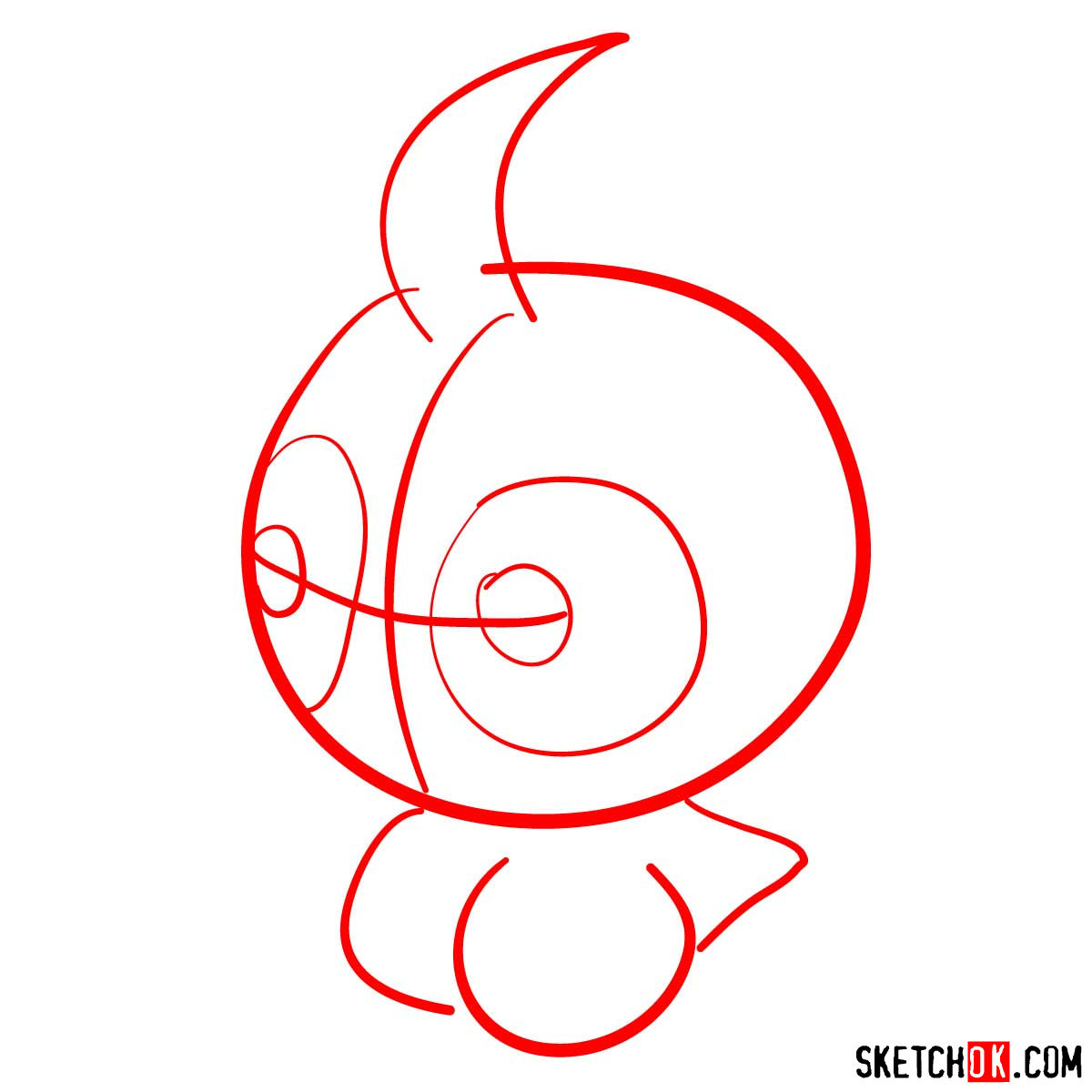
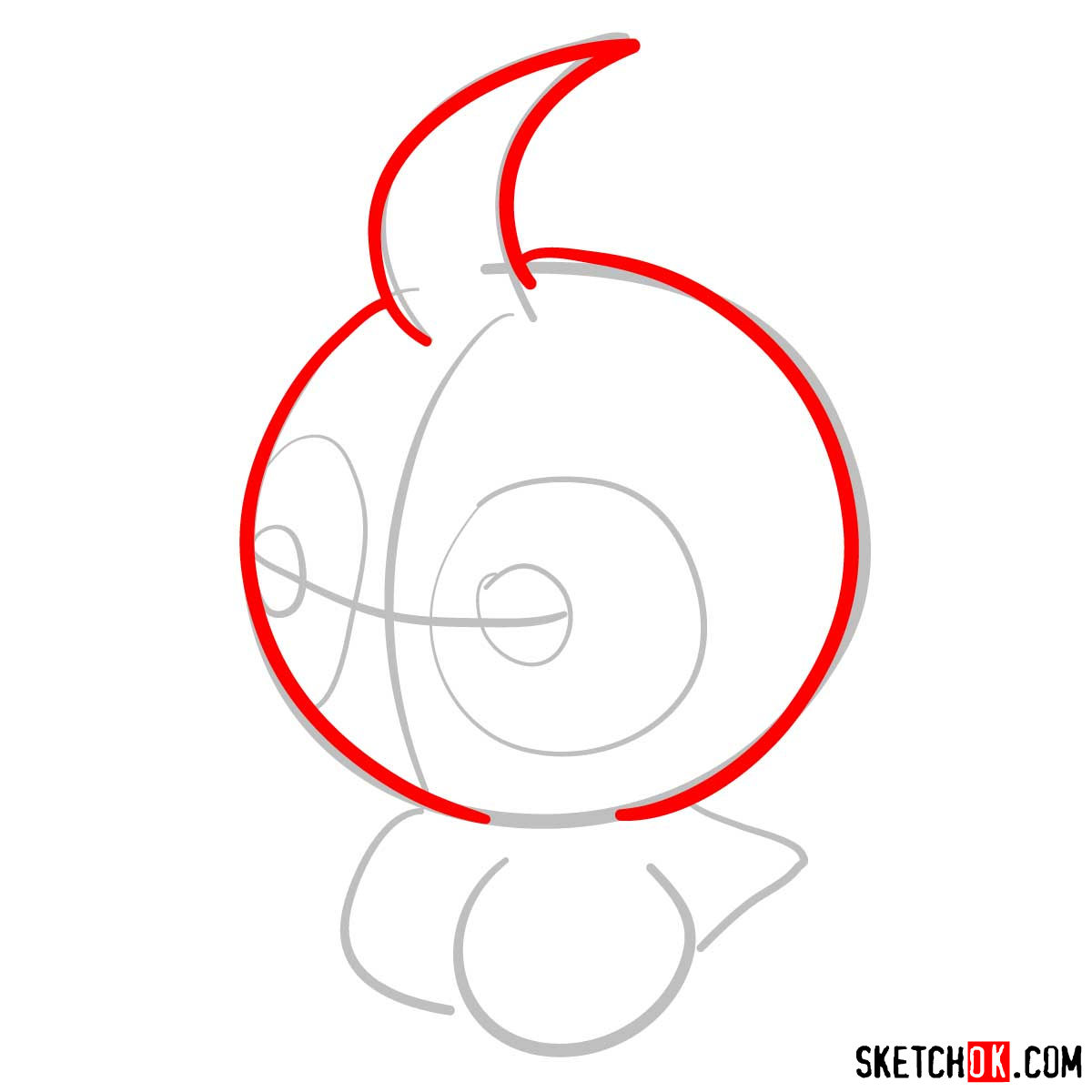
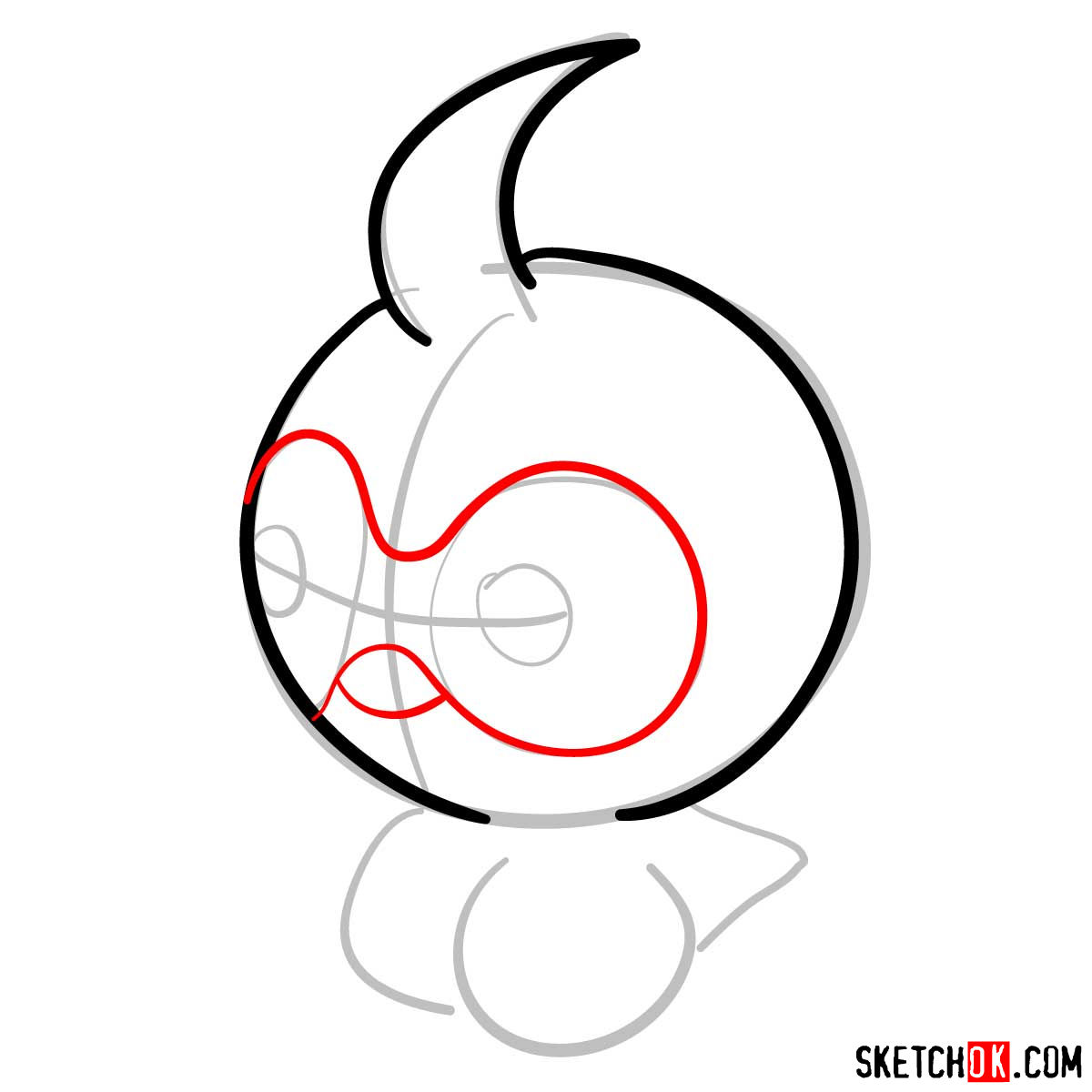
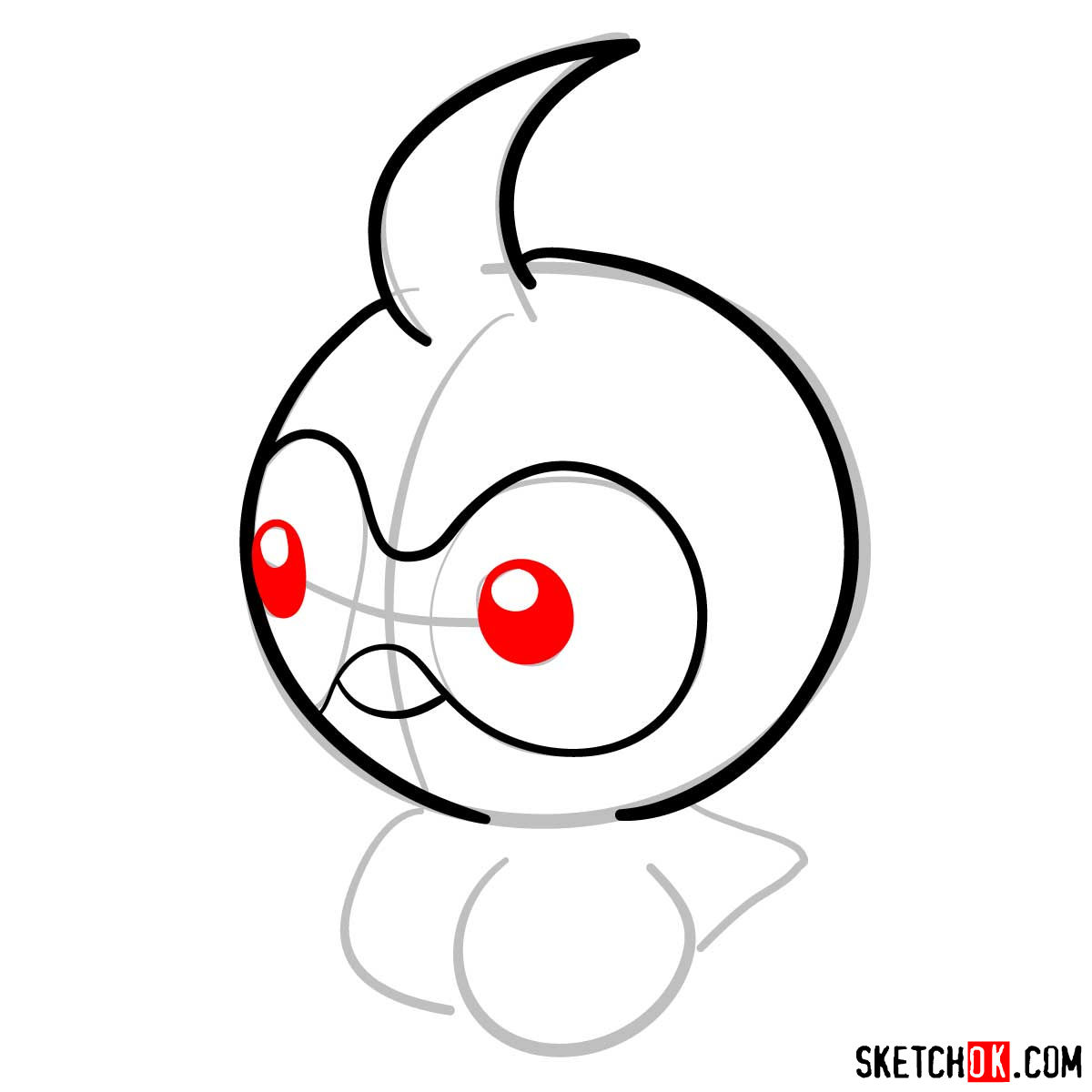
Our tutorial involves a 26-step process, using a color-coding system to make it easier to follow:
- Red Color: Highlights the lines to draw during the current step.
- Grey Color: Indicates the basic sketch or proportions.
- Black Color: Represents the lines drawn in previous steps.
The initial step ia crucial as it establishes the basic structure of the sketch, for which we recommend using light pencil strokes.
Expand Your Pokémon Universe: Add Related Characters to Your Drawing
Once you’ve mastered drawing Castform, you can add more characters to your masterpiece. Considering the connection to weather and elemental types, some relative Pokémon to consider are Gyarados, Bulbasaur, Squirtle, Charmander, and Lucario. Drawing them together will certainly add dynamism to your artwork.




Your first attempt at how to draw Castform might not turn out exactly how you pictured it, and that’s completely fine. Castform’s round little body looks simple but those subtle curves can take a couple of tries to get right, so don’t toss the paper just yet. Keep it as a reference, give it another go, and if you want more guides to practice with, SketchOk posts new ones regularly on Pinterest, Facebook, and the YouTube channel.
