Last Updated on May 14, 2026
Meet Sebastian, the spirited Jamaican-accented crab from Disney’s classic, “The Little Mermaid“. Serving as King Triton’s trusted advisor, he’s won hearts with his calypso beats and heartfelt concern for Princess Ariel. Ready to sketch this iconic character? Let’s plunge into the world of Atlantica and learn how to draw Sebastian.
Character’s Appearance and Focus Points When Drawing:
Before you begin, it’s essential to familiarize yourself with Sebastian’s distinctive features. While drawing, keep an eye on:
- Sebastian’s compact body structure.
- His notable large eyes, expressive and often wide-open.
- The series of small legs beneath his body, crucial for his crab identity.
- The claws, which are often in animated motions, displaying various expressions.
- Sebastian’s distinct Caribbean feel, primarily reflected in his movements and posture.
Also, consider adding other beloved characters like Ariel or Flounder for a more comprehensive underwater scene. Sketching them together would add depth and interaction to your artwork.
About the Guide:
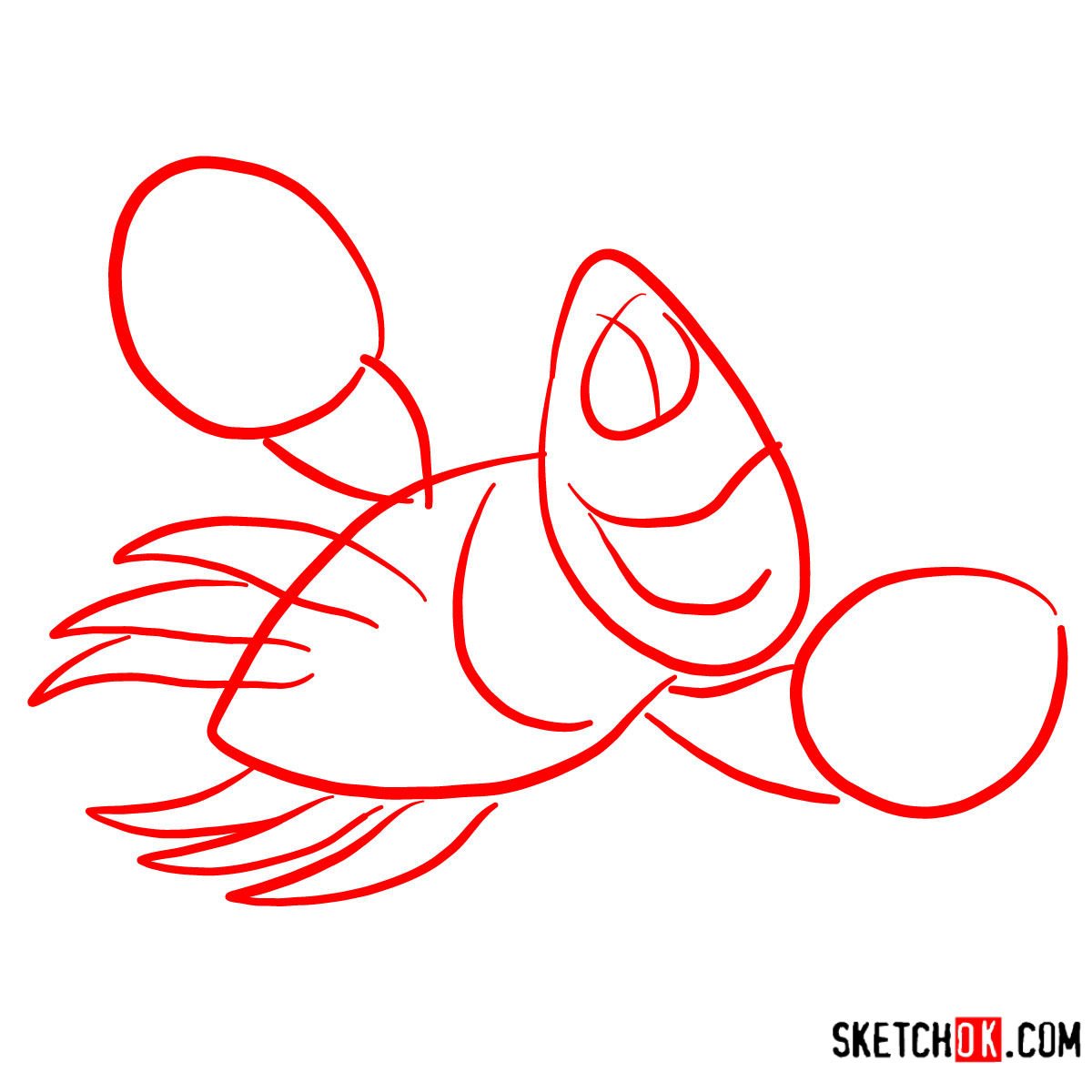
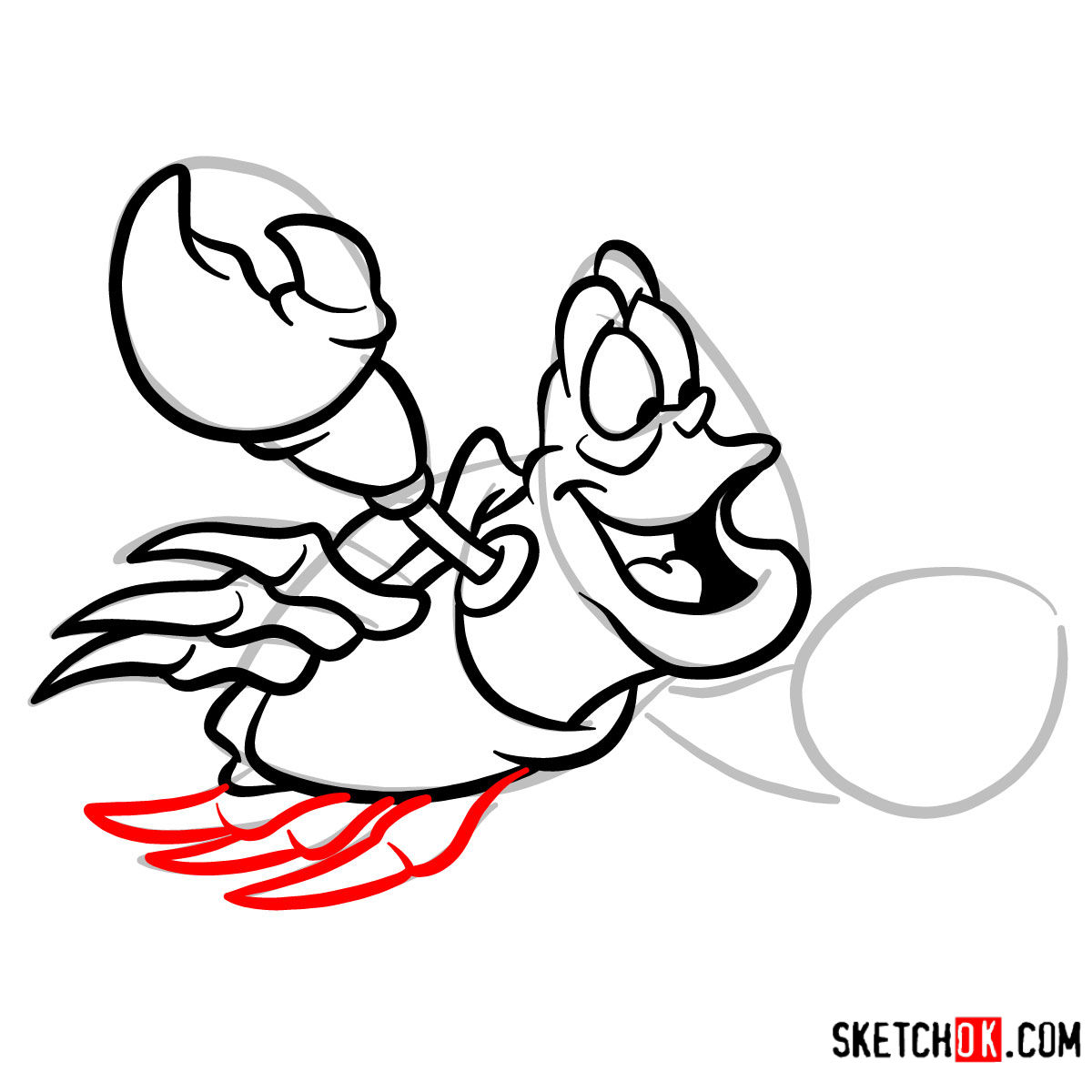
Our drawing tutorial is uniquely designed with a straightforward color-coded system to ensure clarity and ease. To understand our guide:
- Red Color: Represents the current step to focus on.
- Black Color: Highlights the lines drawn in the previous steps.
- Grey Color: Demonstrates the basic proportion sketches, best drawn using light pencil strokes.
The guide comprises 10 progressive steps, starting with a basic sketch to establish proportion. Once you complete the sketch, you might decide to ink your drawing. If so, always allow the ink to dry before erasing any pencil marks to avoid smudges.








If you want a steady stream of new drawing guides without having to remember to check back, there’s an email signup form at the top of this page that sends a weekly digest straight to your inbox. That’s probably the easiest way to keep learning how to draw Sebastian and other characters like him without missing anything. You can also drop your finished crab on the Pinterest post for this tutorial, where other readers share their work in the comments.
