Welcome to another exciting tutorial where we’re going to delve into the world of Pokémon and unleash our inner artist. Our subject this time is Glalie, the intriguing Ice-type Pokémon introduced in Generation III. Get your pencils ready, let’s bring this Pokémon to life on paper!
Understanding Glalie’s Unique Aesthetics
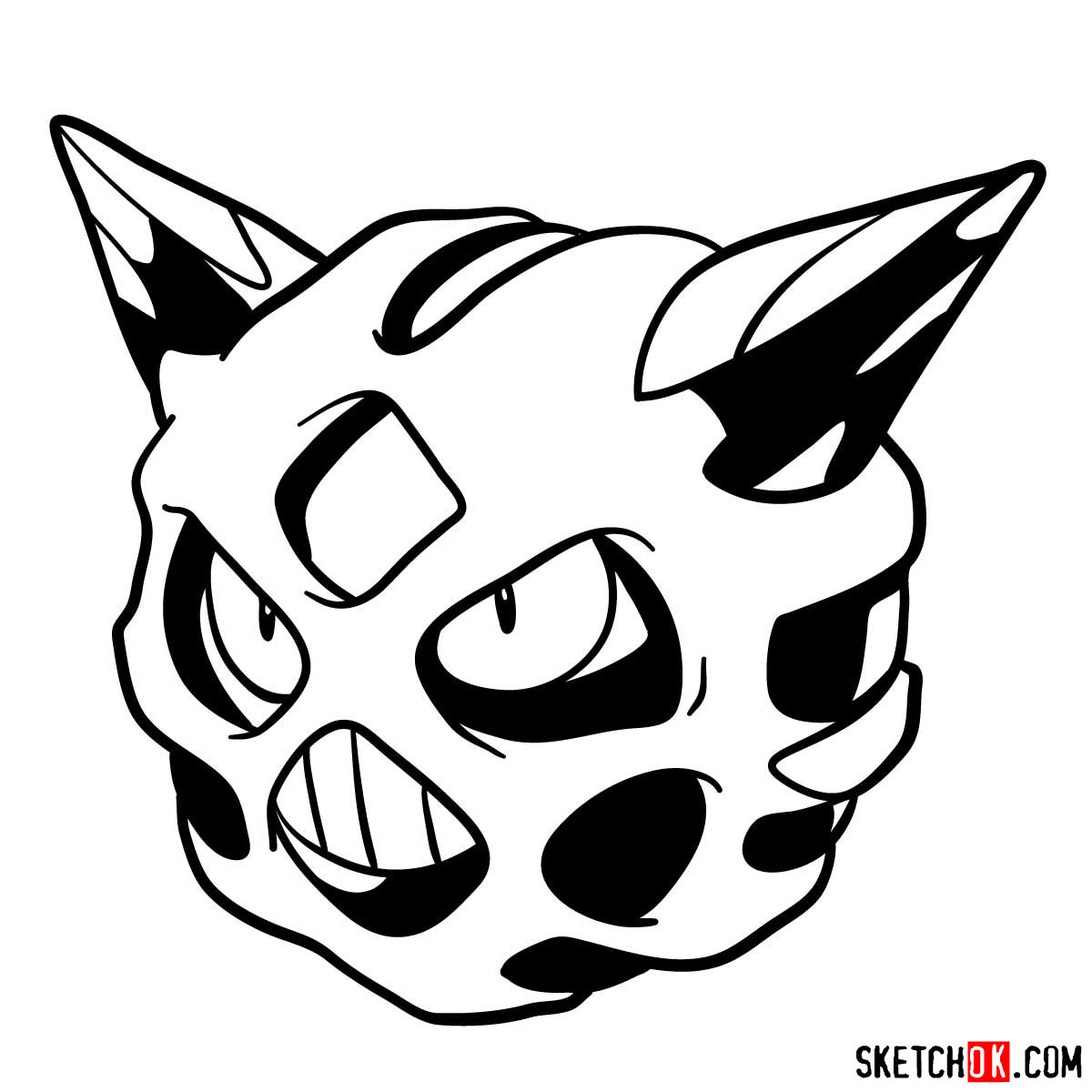
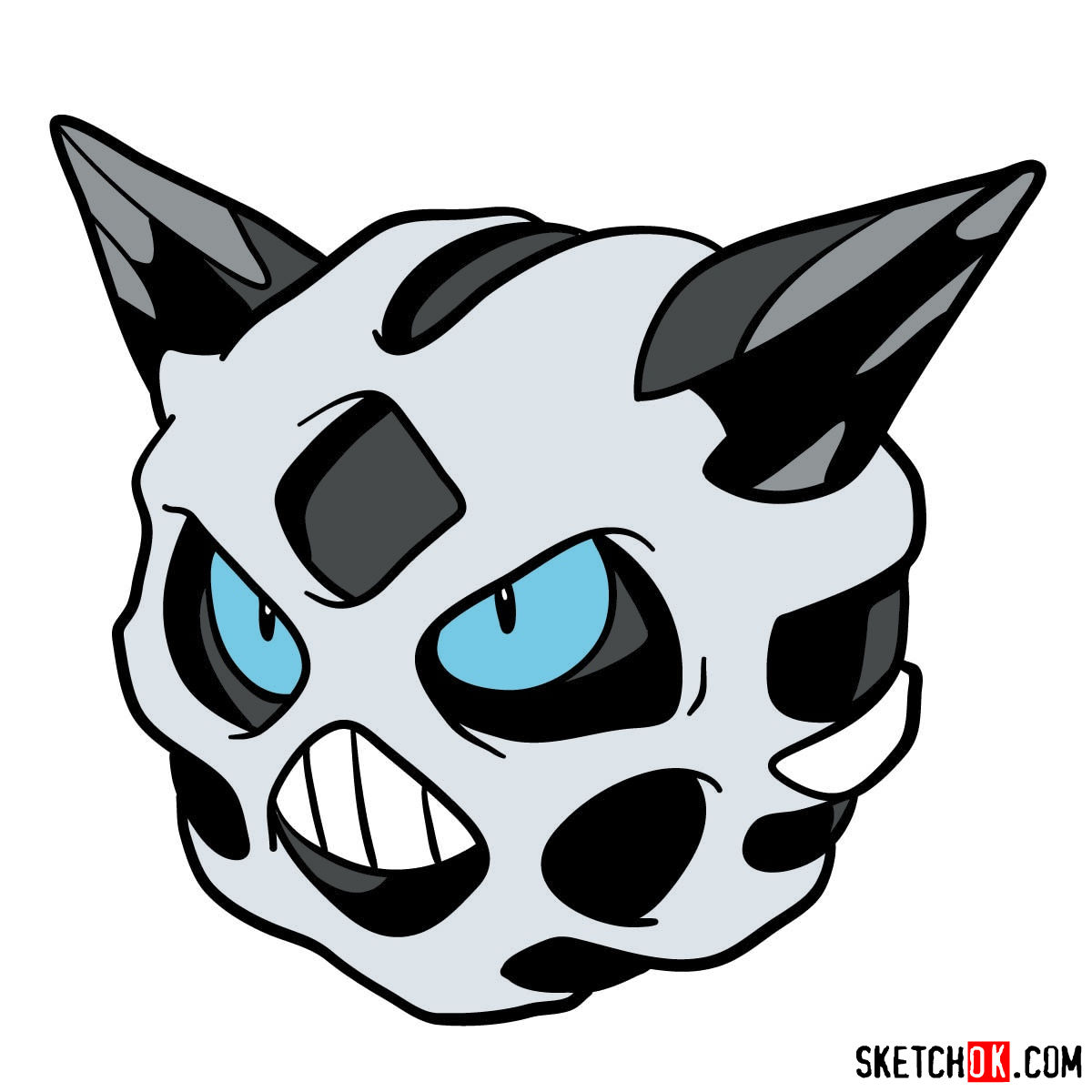
Glalie is quite an interesting Pokémon with a distinct visual appeal. Resembling a levitating face encapsulated in ice, Glalie captures attention with its spherical shape and black horns protruding from the top. Its dark face peeks through various holes in the ice, giving it a unique look that can sometimes remind one of a soccer ball.
- Face: Its face is the focal point, surrounded by ice with various holes revealing the darkness beneath.
- Horns: Black horns jut out from the top, adding an element of raw power to the Pokémon.
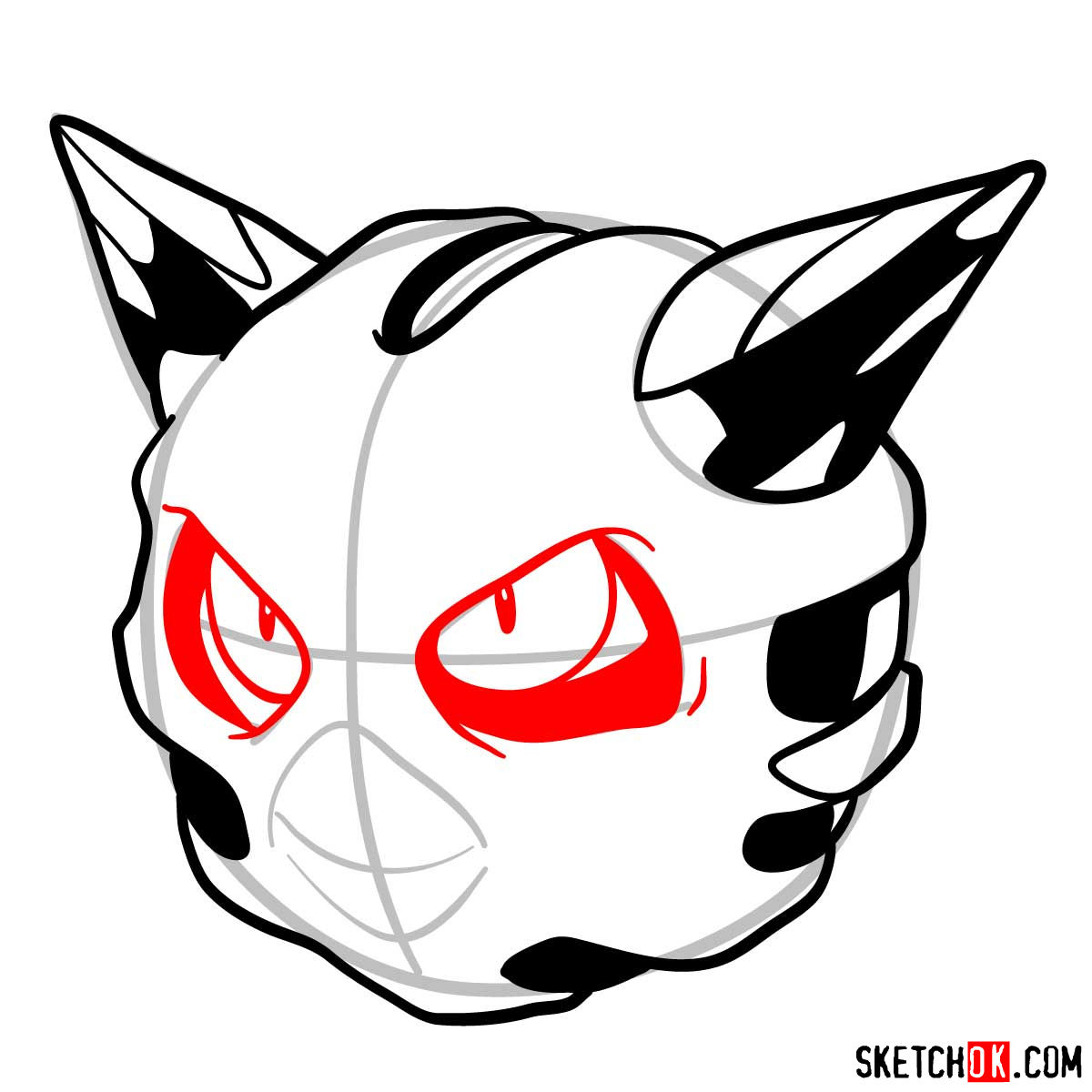
- Eyes: Glalie has captivating light blue eyes that stand out against the darkness of its face.
- Ice Encasing: The ice encasing Glalie’s face forms a spherical shape that frames the face and contributes significantly to its overall look.
While drawing Glalie, you could also consider adding related characters from its universe for an enhanced visual treat. This might include the likes of Rayquaza, Mewtwo, Gengar, or even Charizard.
Decoding the Drawing Guide
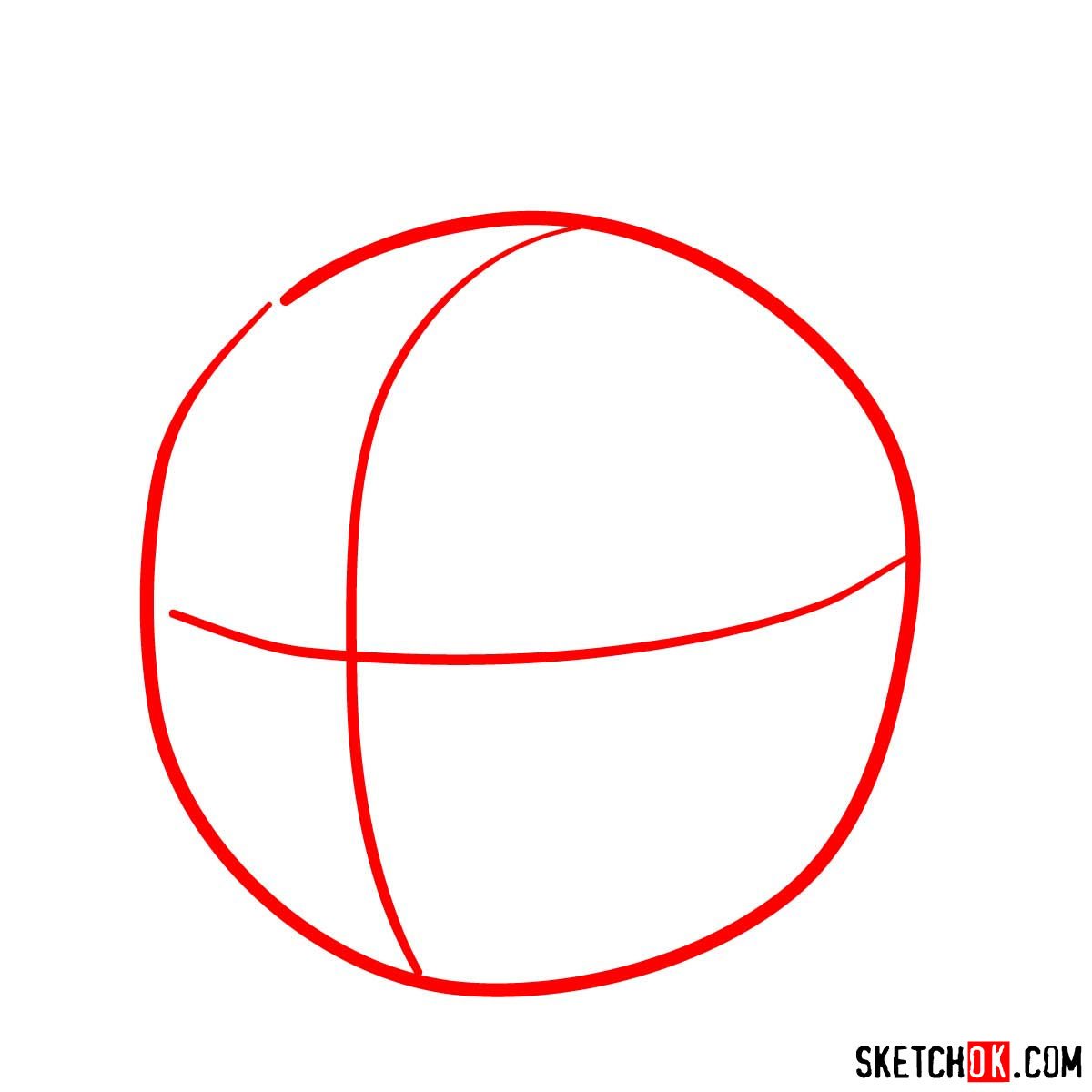
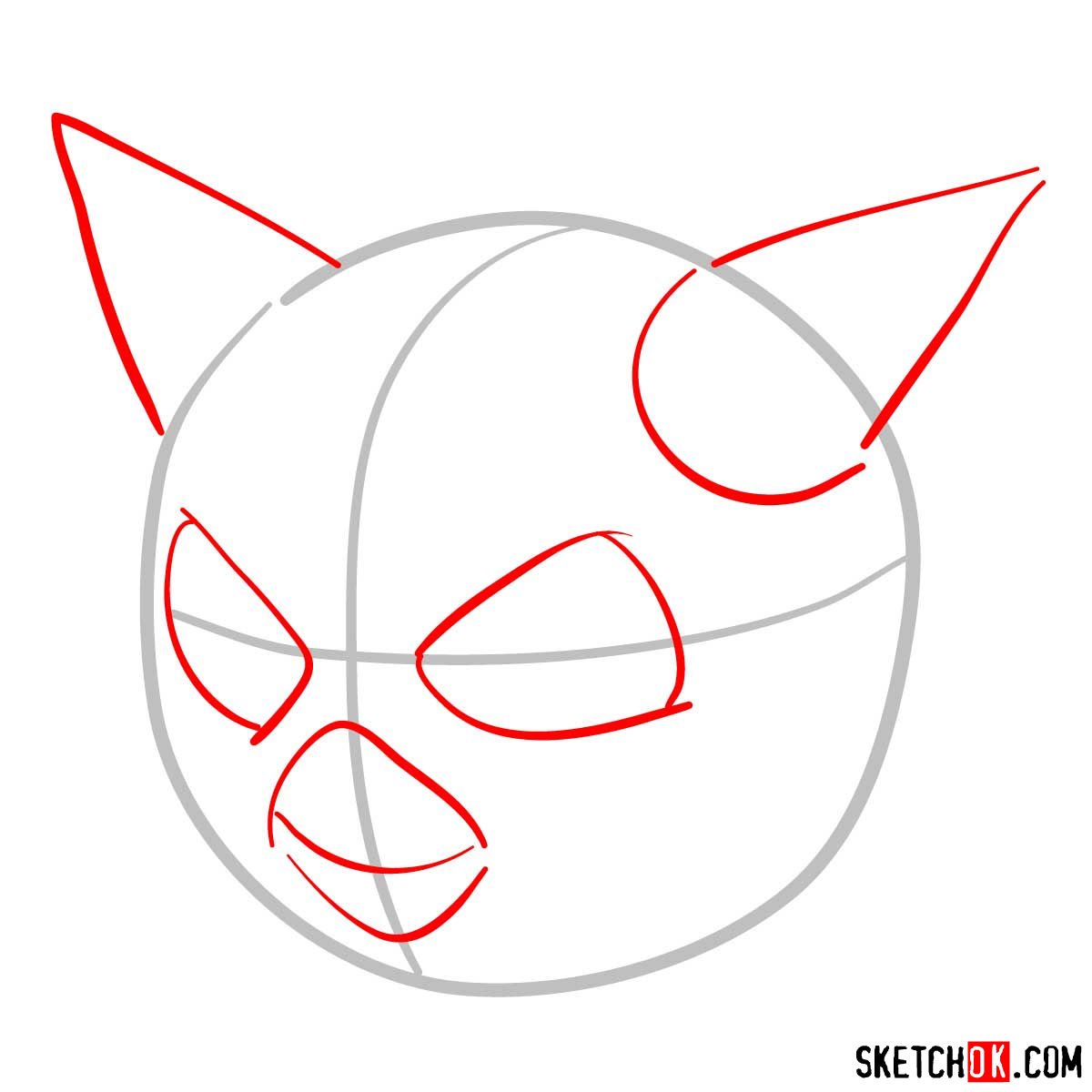
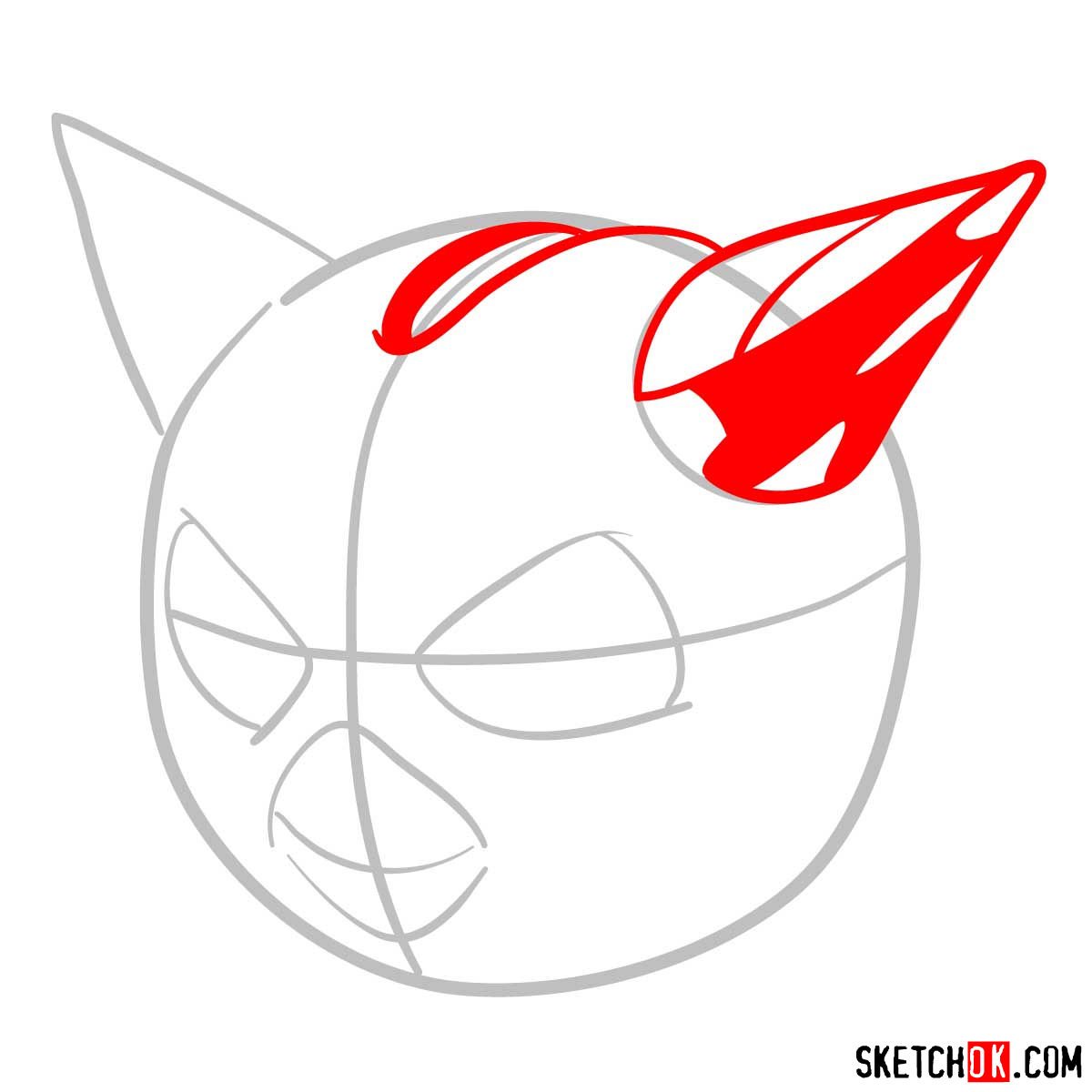
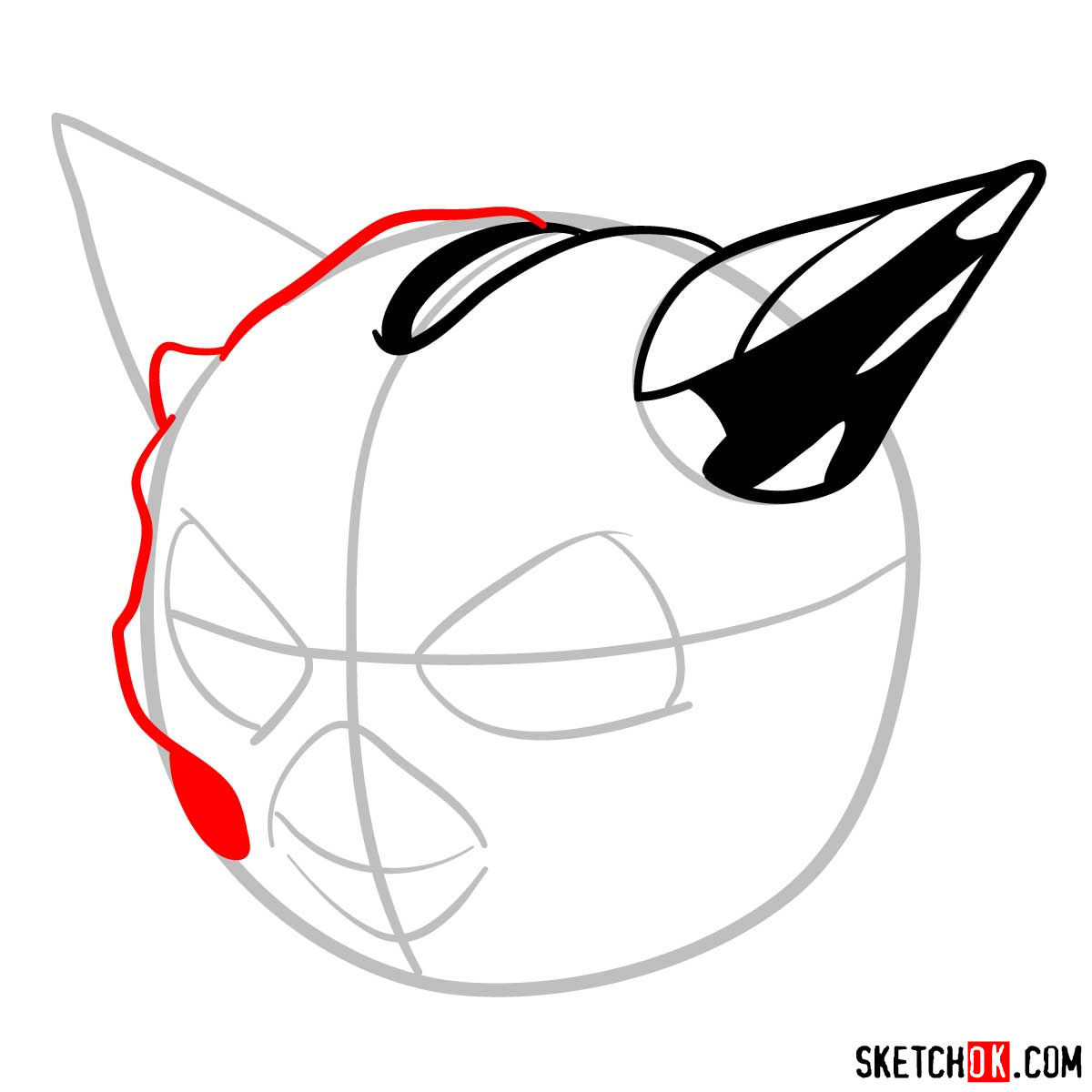
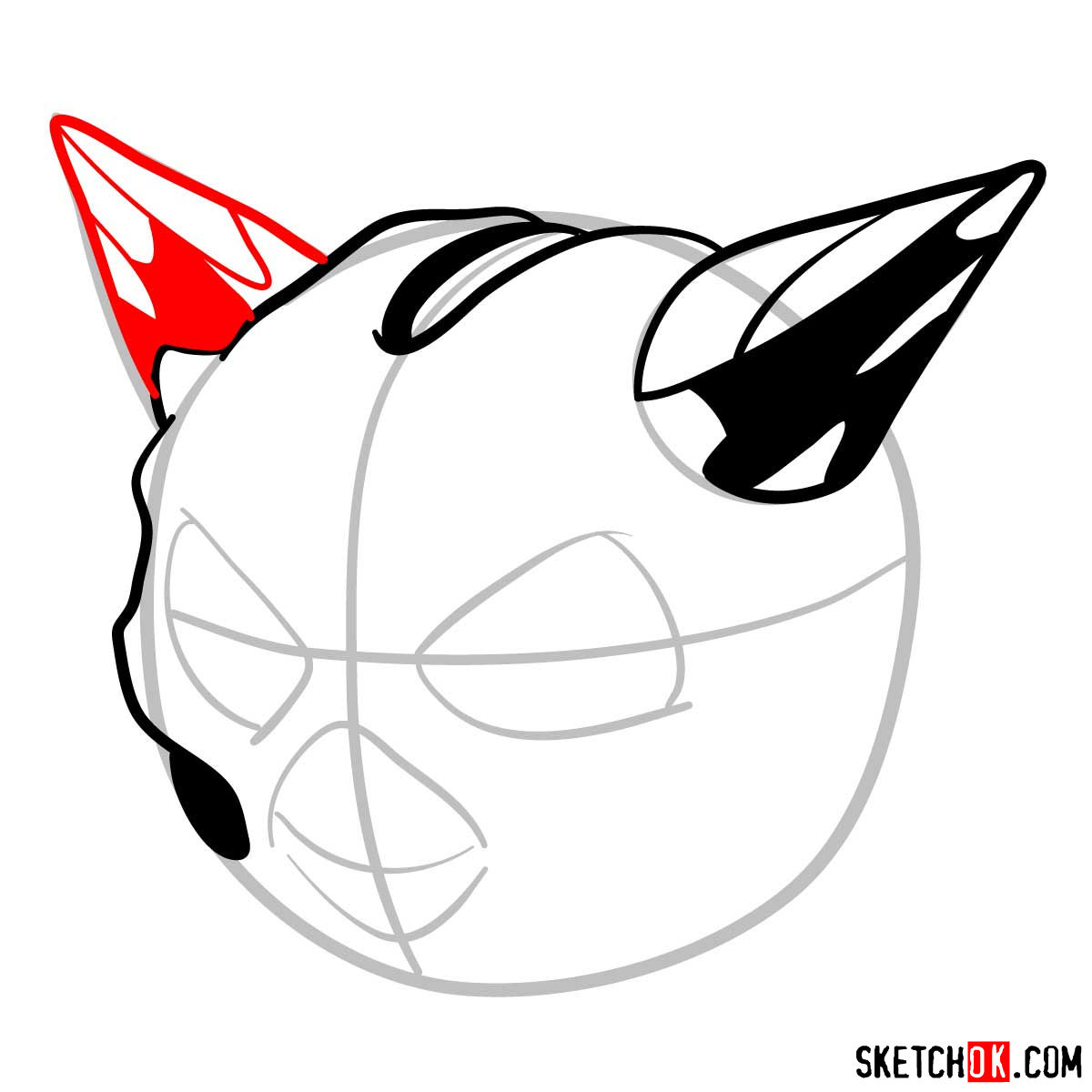
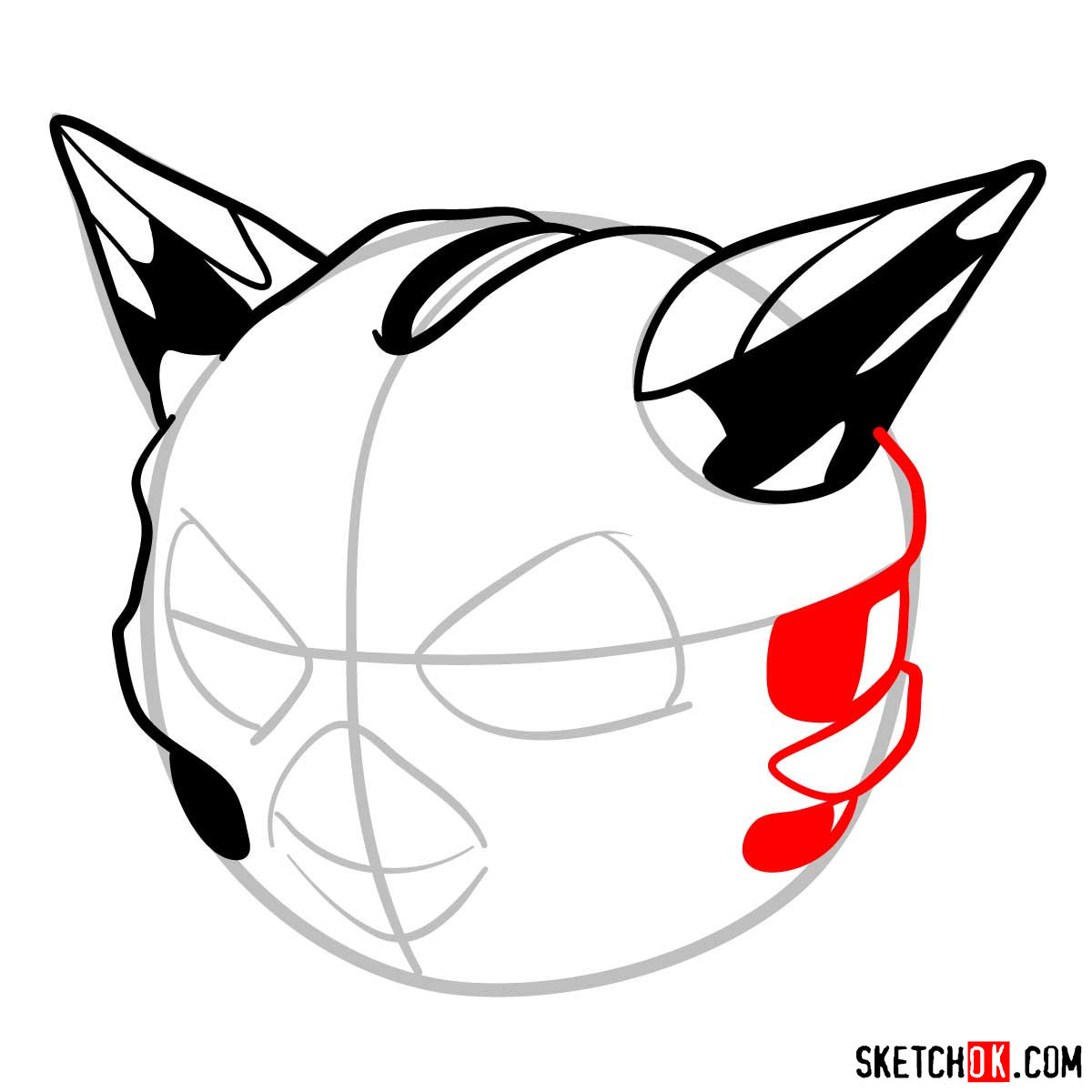
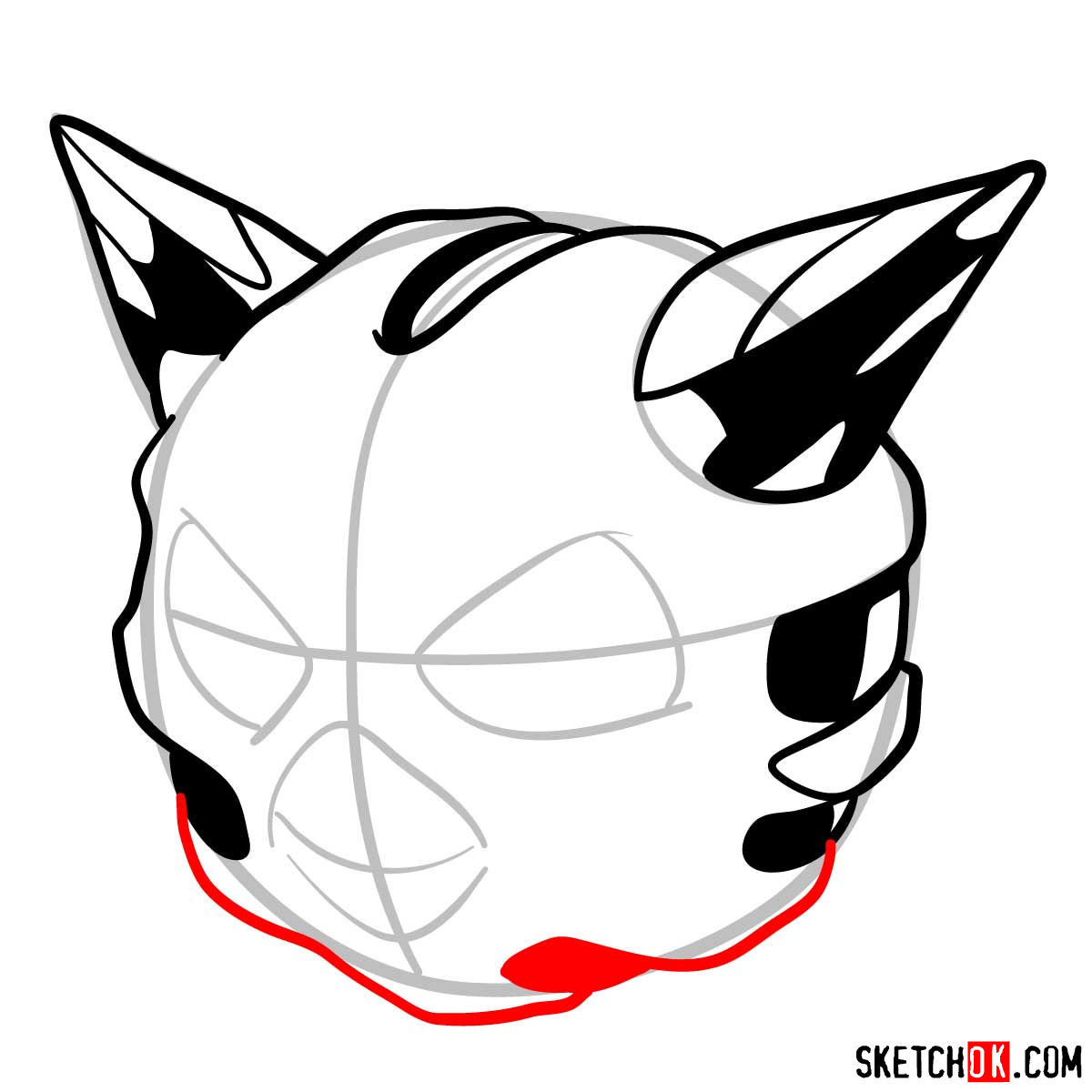
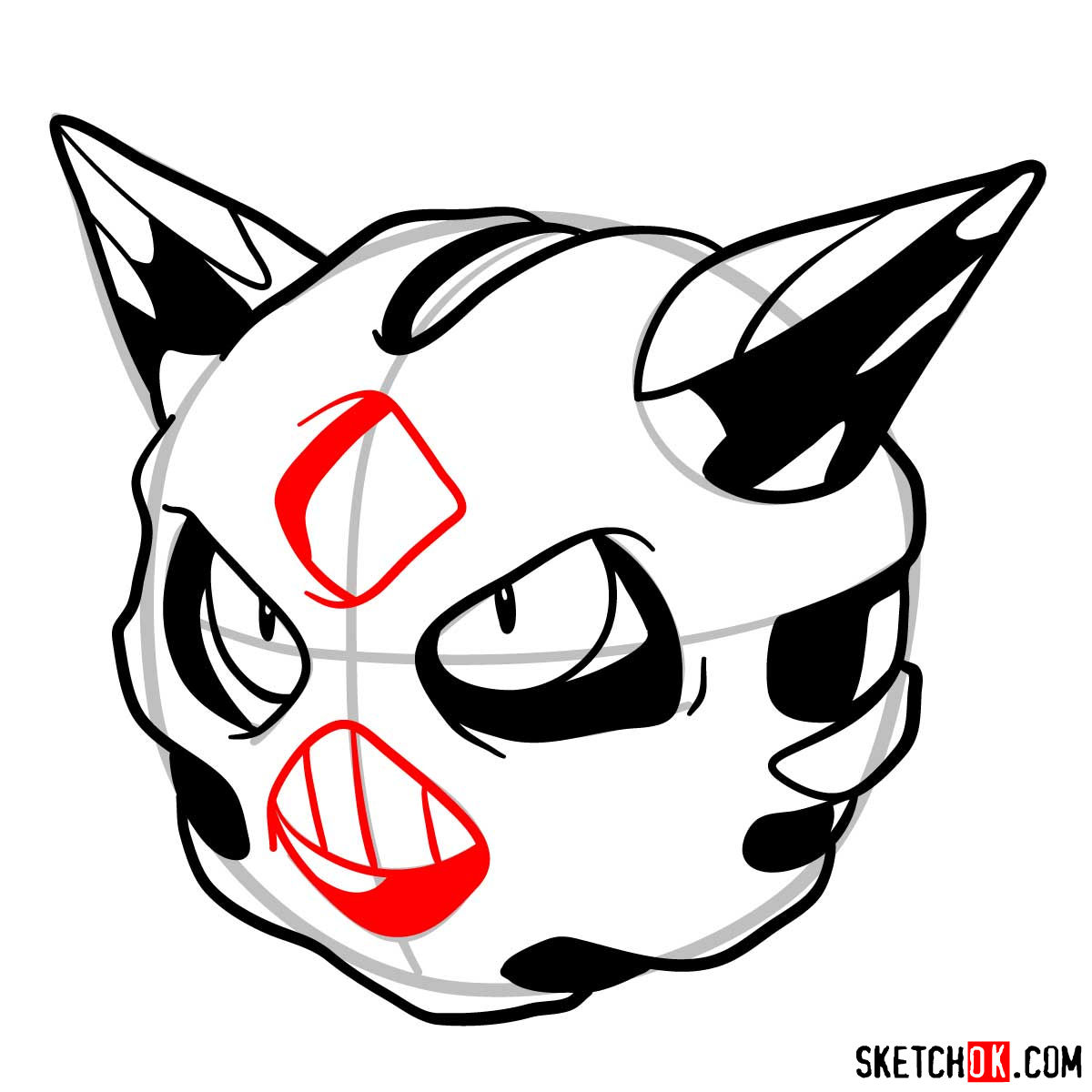
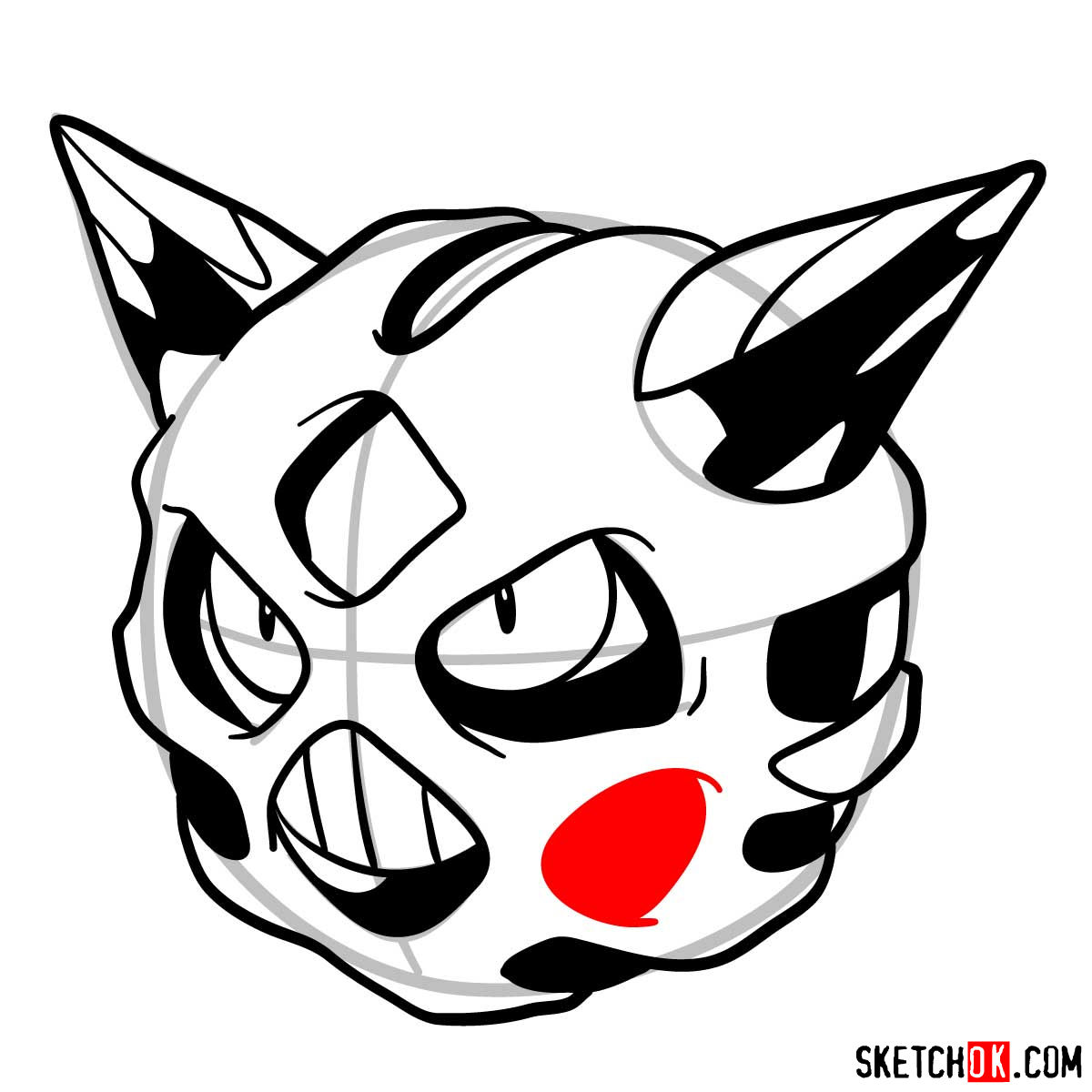
Our guide uses a unique color-coding system to simplify the drawing process. Here’s what each color signifies:
- Red Color: Represents the current step of your sketch. Concentrate on this.
- Black Color: Showcases the lines you have previously drawn.
- Grey Color: Indicates the basic sketch and guides proportions.
The guide consists of 12 steps to help you draw Glalie. The first 2 steps establish the basic structure using light pencil strokes. The second-to-last step is optional, where you may choose to ink the sketch and gently erase the pencil lines after the ink dries. Finally, the last step can be used as a reference for coloring.
Your first attempt at learning how to draw Glalie Pokemon might not turn out exactly how you pictured it, and that’s completely fine since most drawings take a few tries to click. Keep that sketch around as a reference point, because the next time you draw Glalie you’ll notice real improvement. More guides go up regularly, so following SketchOk on Pinterest or Facebook is a good way to catch new ones as they drop.