Last Updated on May 14, 2026
Join us as we explore the captivating realm of Cedar Wood, a character introduced in 2013 who holds a significant place in the story of The Adventures of Pinocchio. As the next Pinocchio and a prominent student at Ever After High, Cedar stands out, not just because of her lineage, but due to her compelling personality and appearance. This guide aims to provide you with the necessary techniques and focus points to sketch her with precision and artistry.
Character Highlights and Drawing Focus Points
- Lineage: As the next Pinocchio, Cedar Wood carries with her the legacy and traits associated with the iconic wooden puppet who dreamt of being a real boy.
- Personality: Possessing an inability to lie due to a truth spell, Cedar’s candid nature is both her strength and weakness. Her vibrant personality, combined with her unwavering friendship with Raven Queen, adds depth to her character. Consider reflecting her emotional range when sketching facial expressions.
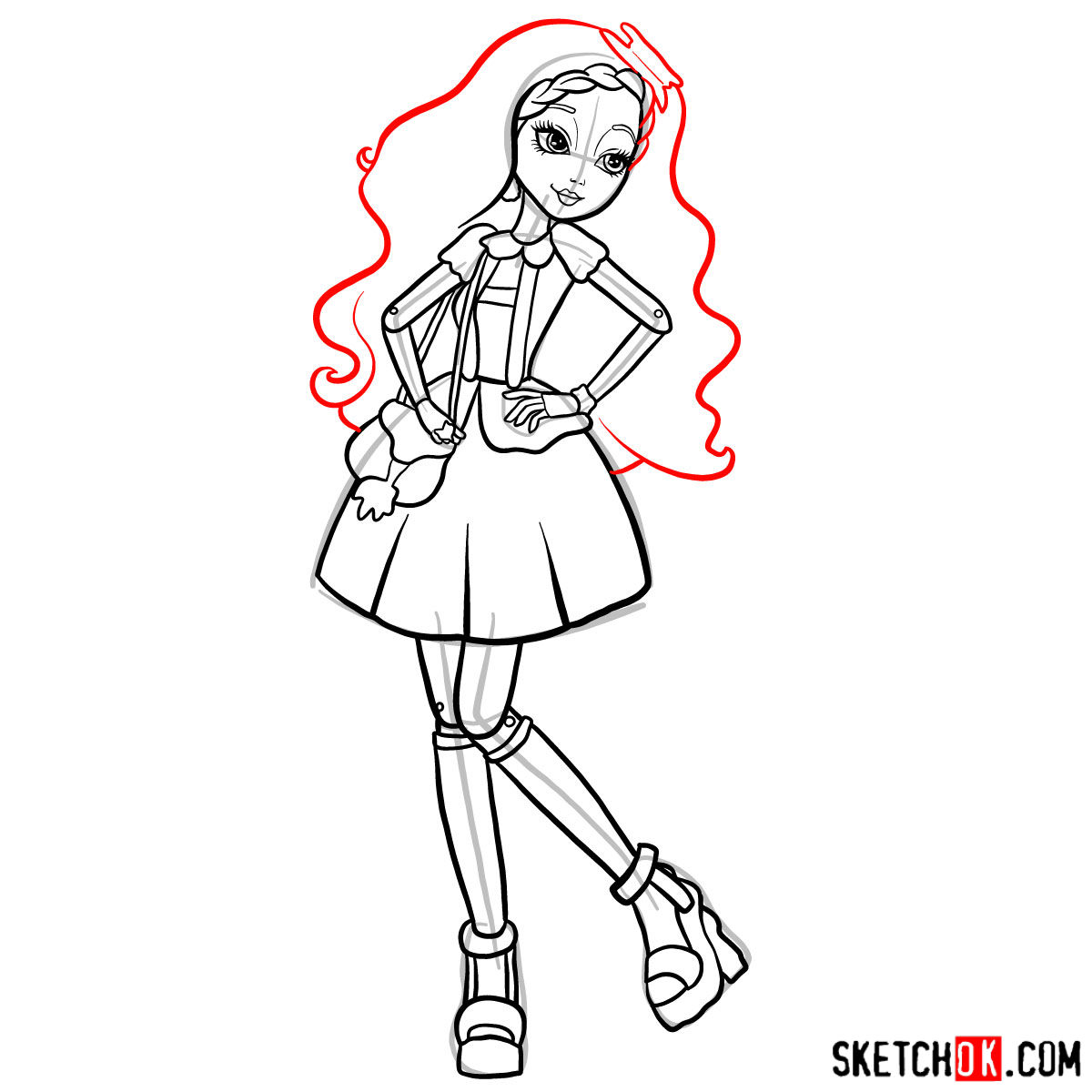
- Appearance: Cedar’s dark brown, wavy hair, combined with her wooden skin tone and deep brown eyes, make her stand out. Her attire is a mix of purple, and various pink shades, echoes her artistic nature.
While focusing on Cedar, artists might also want to explore her connection with other Ever After High characters, such as Raven Queen, to add depth or a narrative angle to the drawing.
Understanding the Drawing Guide
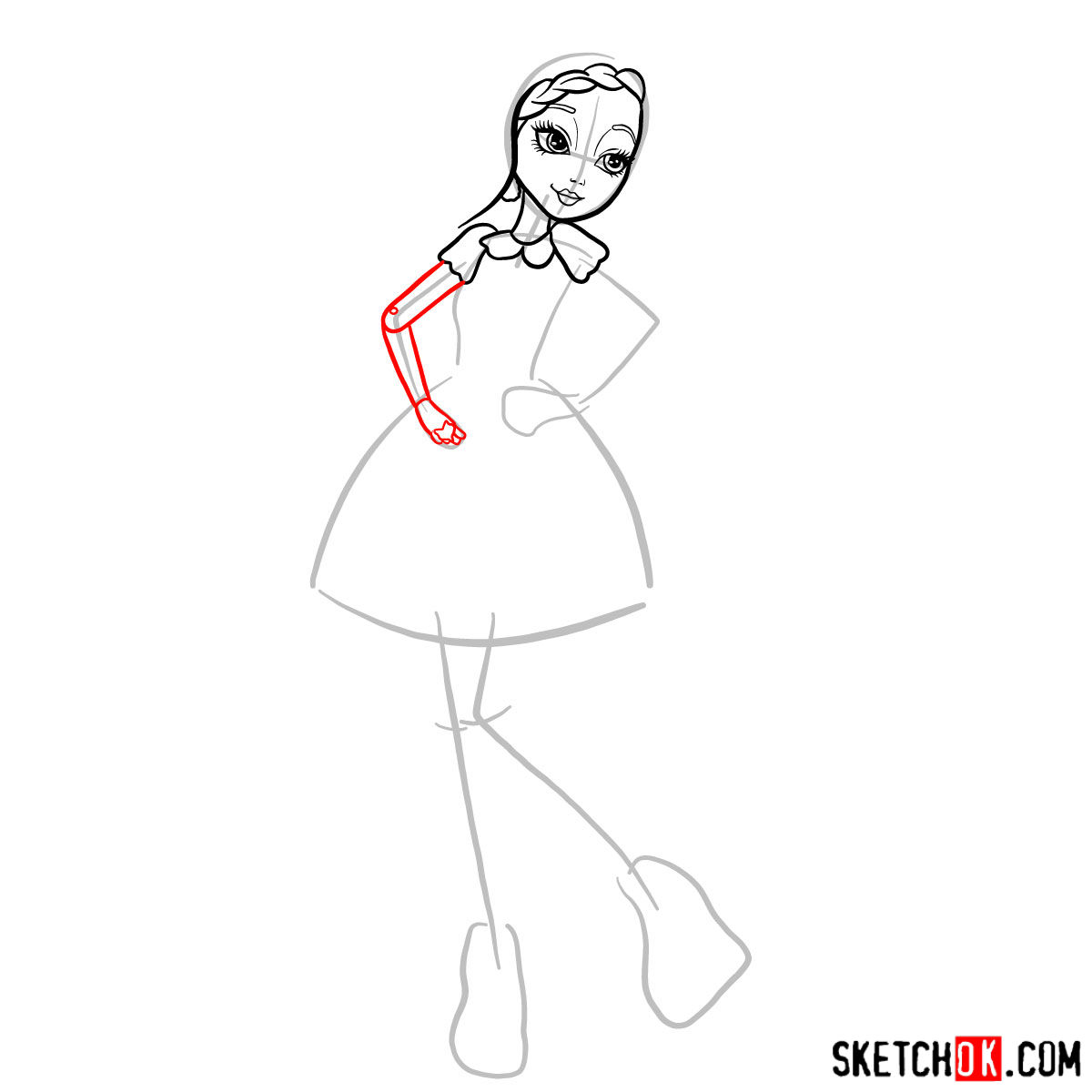
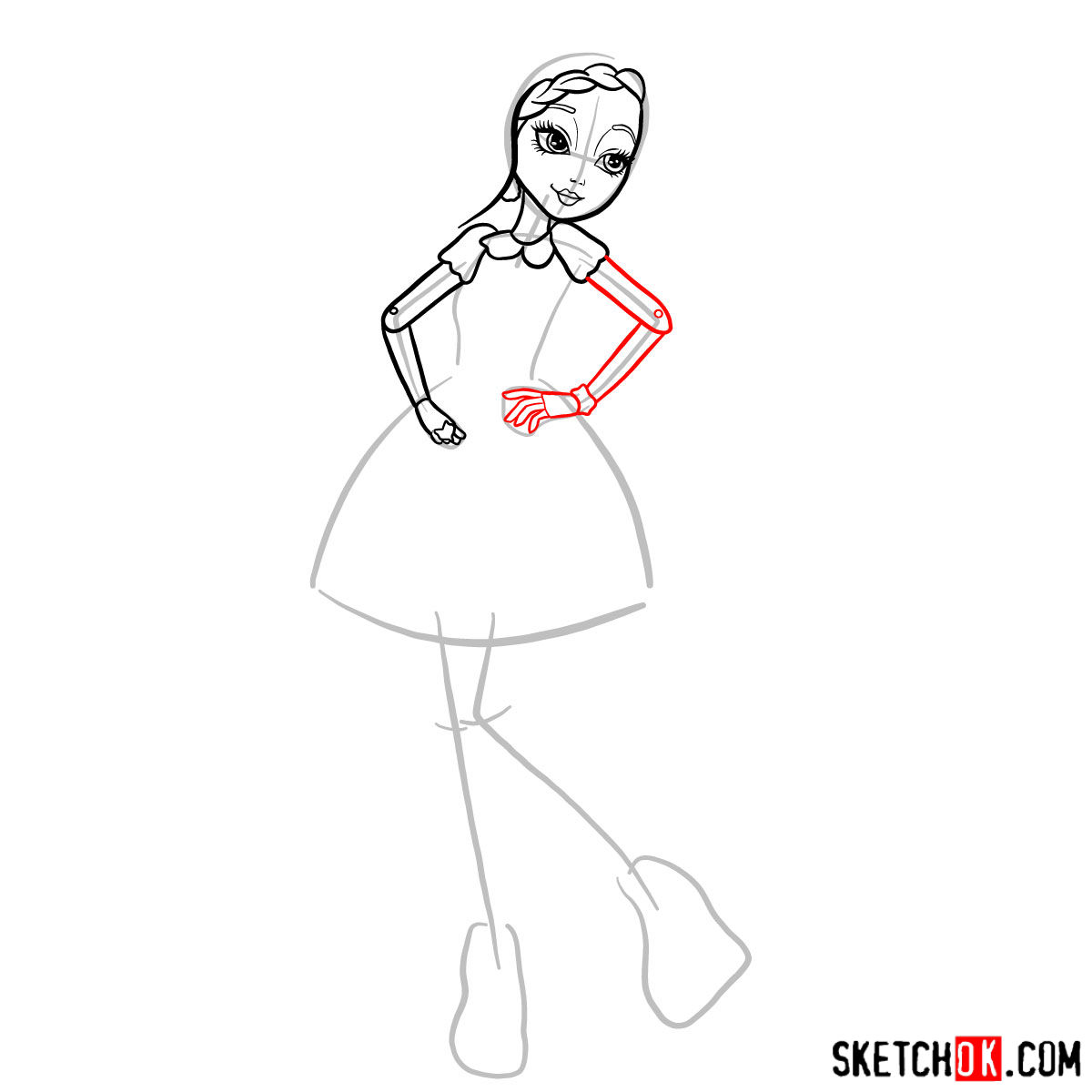
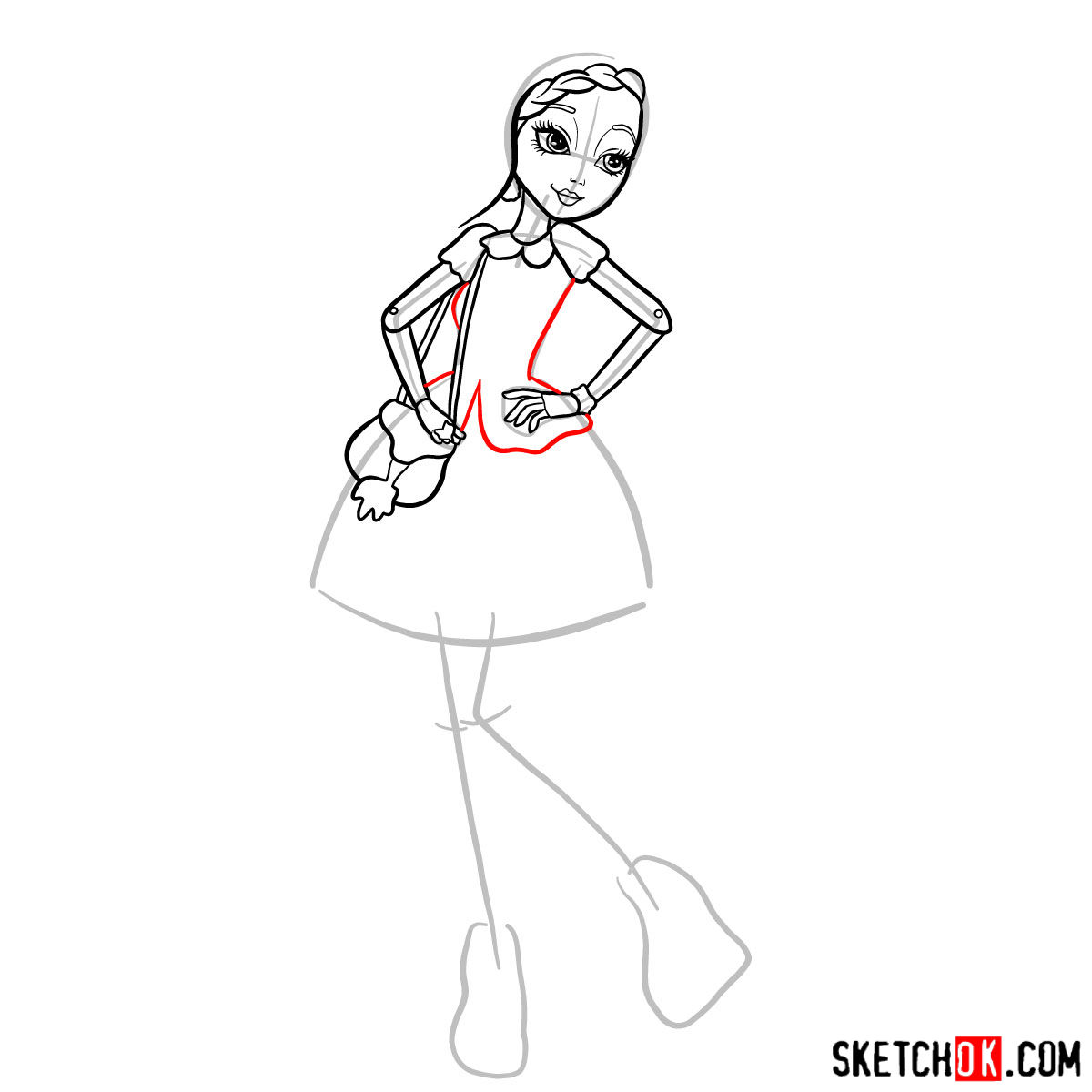
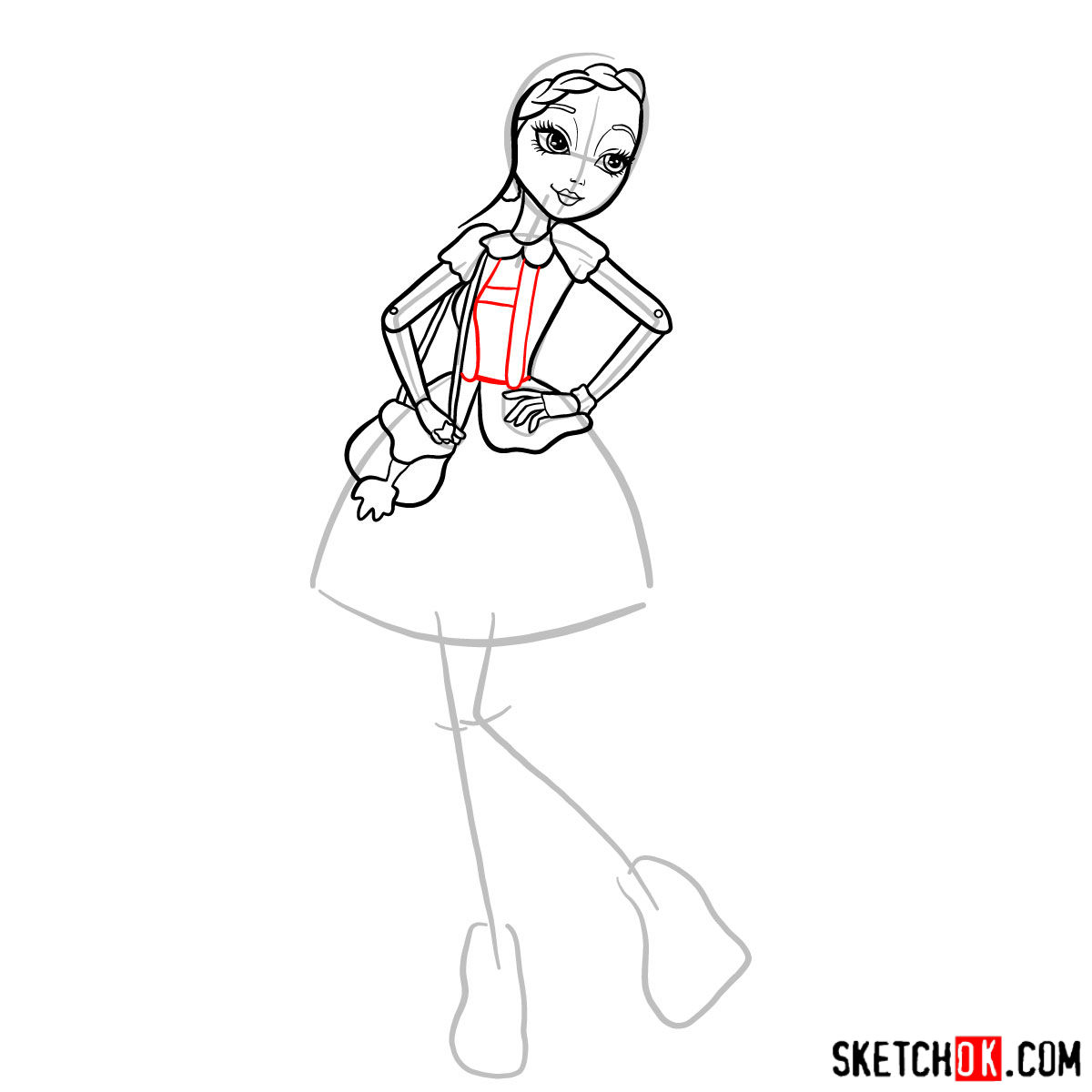
This drawing guide simplifies the process into 16 steps. Here’s how to make the most of it:
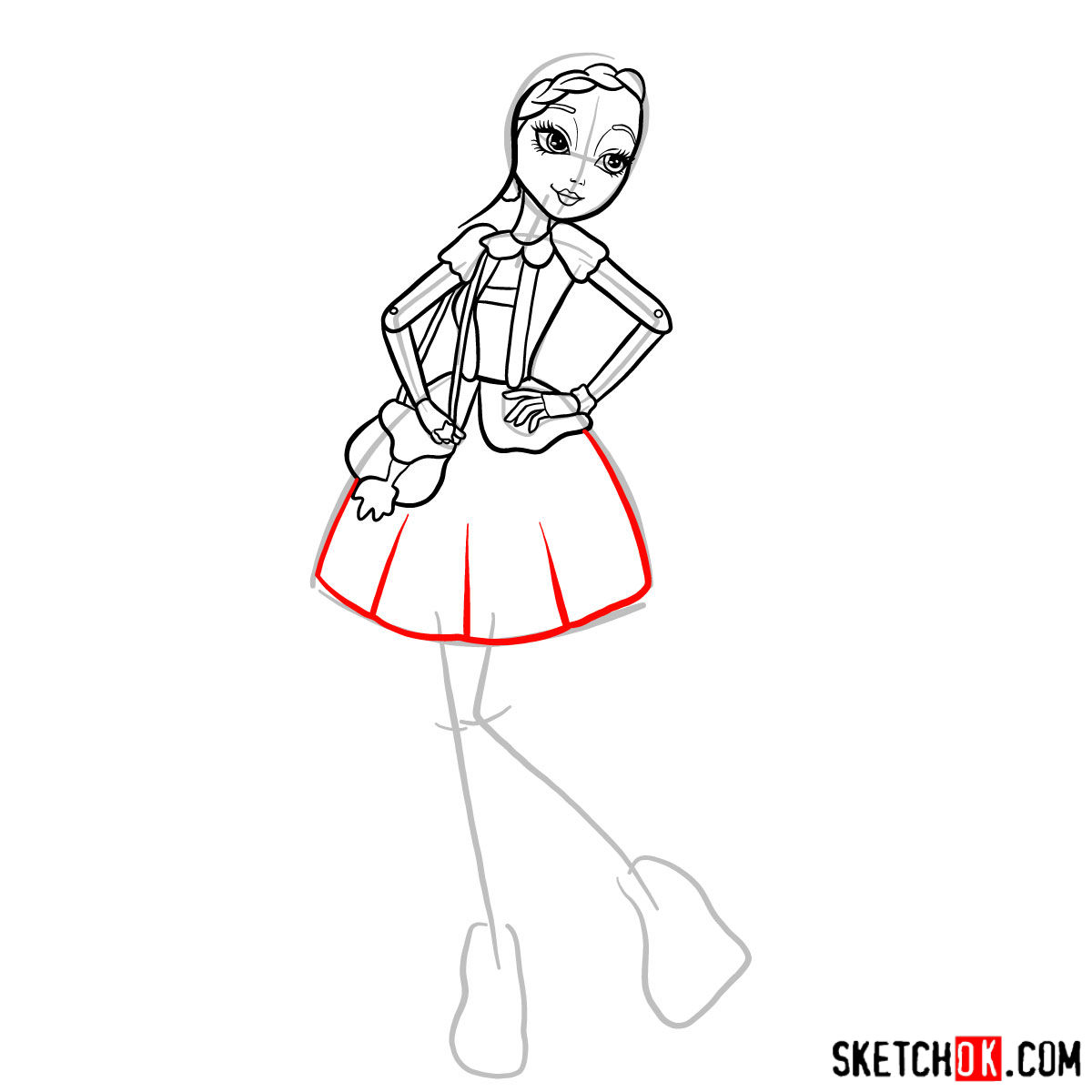
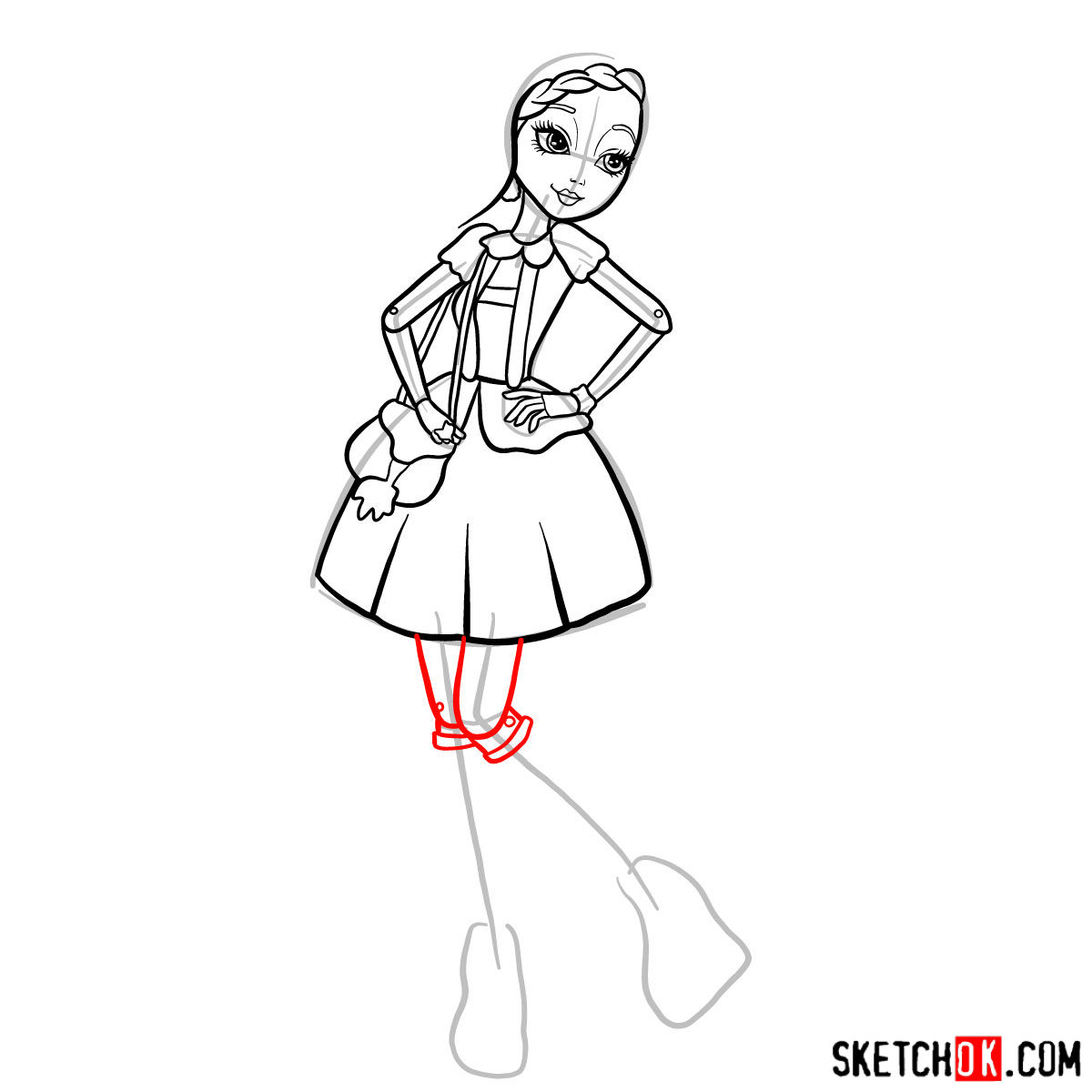
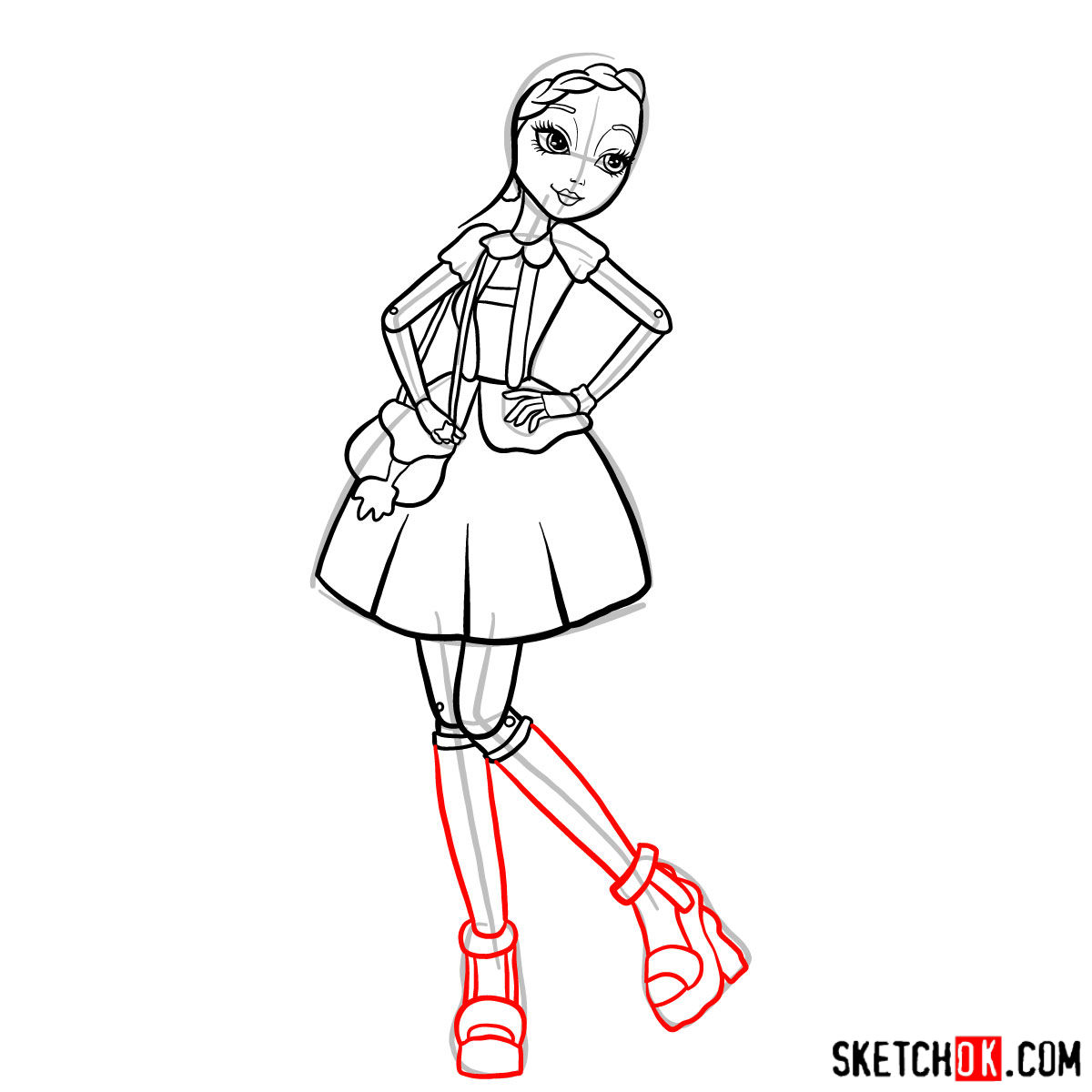
- Red Color: Indicates the current step and the lines you should be focusing on.
- Black Color: Highlights the lines you’ve drawn in the previous steps.
- Grey Color: Represents the basic sketch and proportion guidelines. Remember, these are drawn with light pencil strokes for easier adjustments.
Commence your journey with a foundational sketch. This first step is crucial as it ensures the right proportions for Cedar’s distinctive features. As you progress, consider inking your final sketch to give it a polished look. If you decide to ink, patiently wait for it to dry to prevent smudging. Once dried, gently erase the underlying pencil marks, allowing the inked lines to shine. The final image showcases a colored version of Cedar Wood, serving as a reference should you wish to add vibrancy to your artwork.
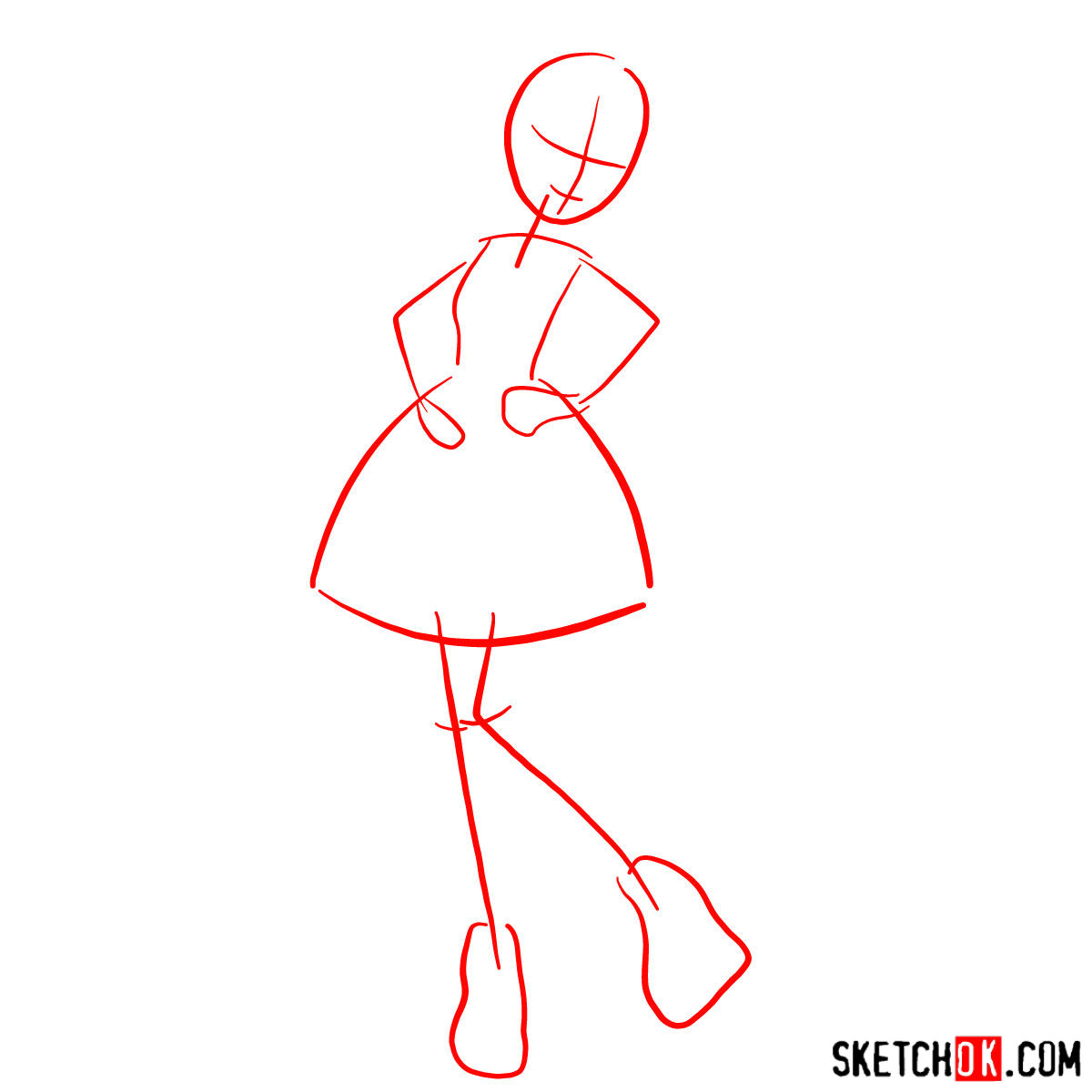
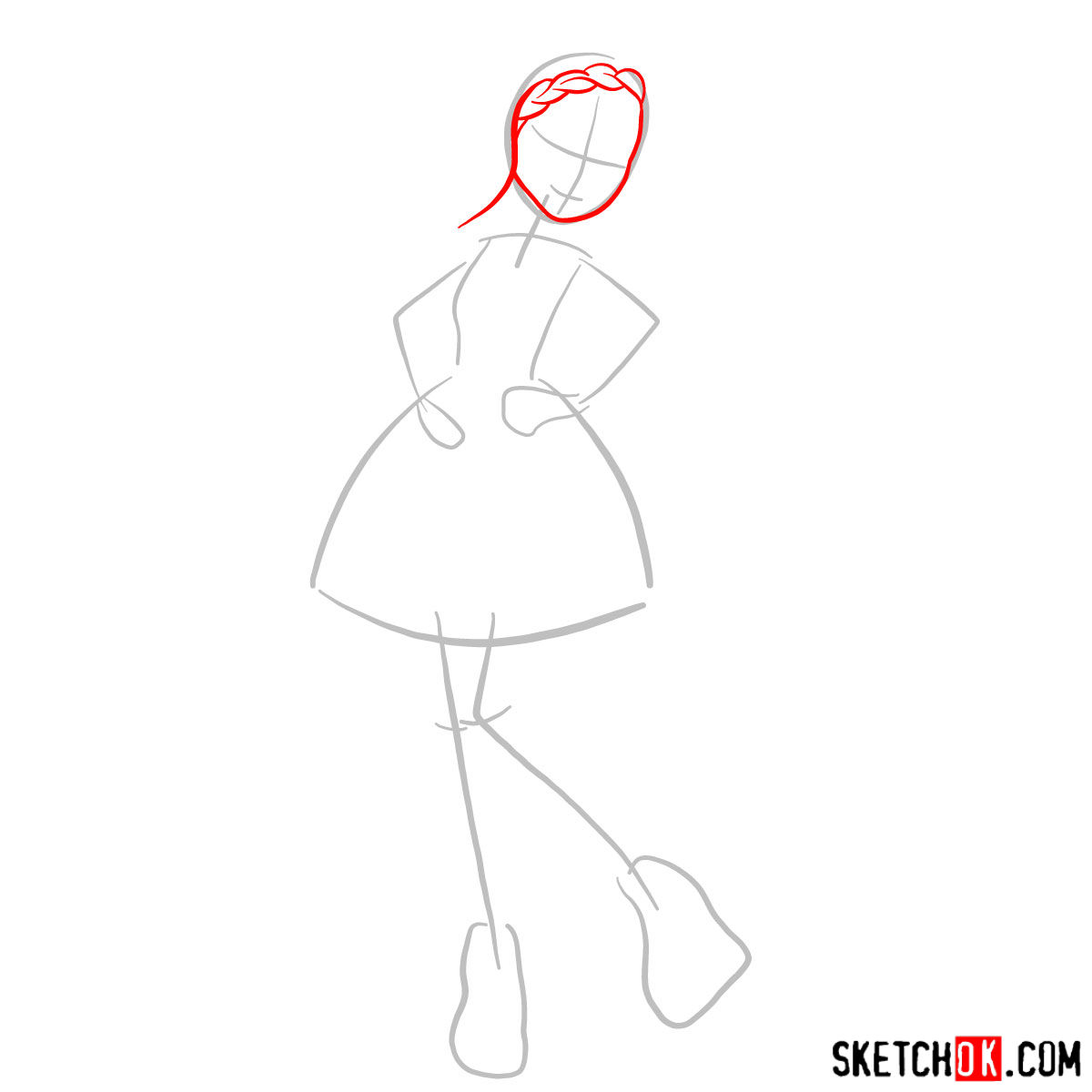
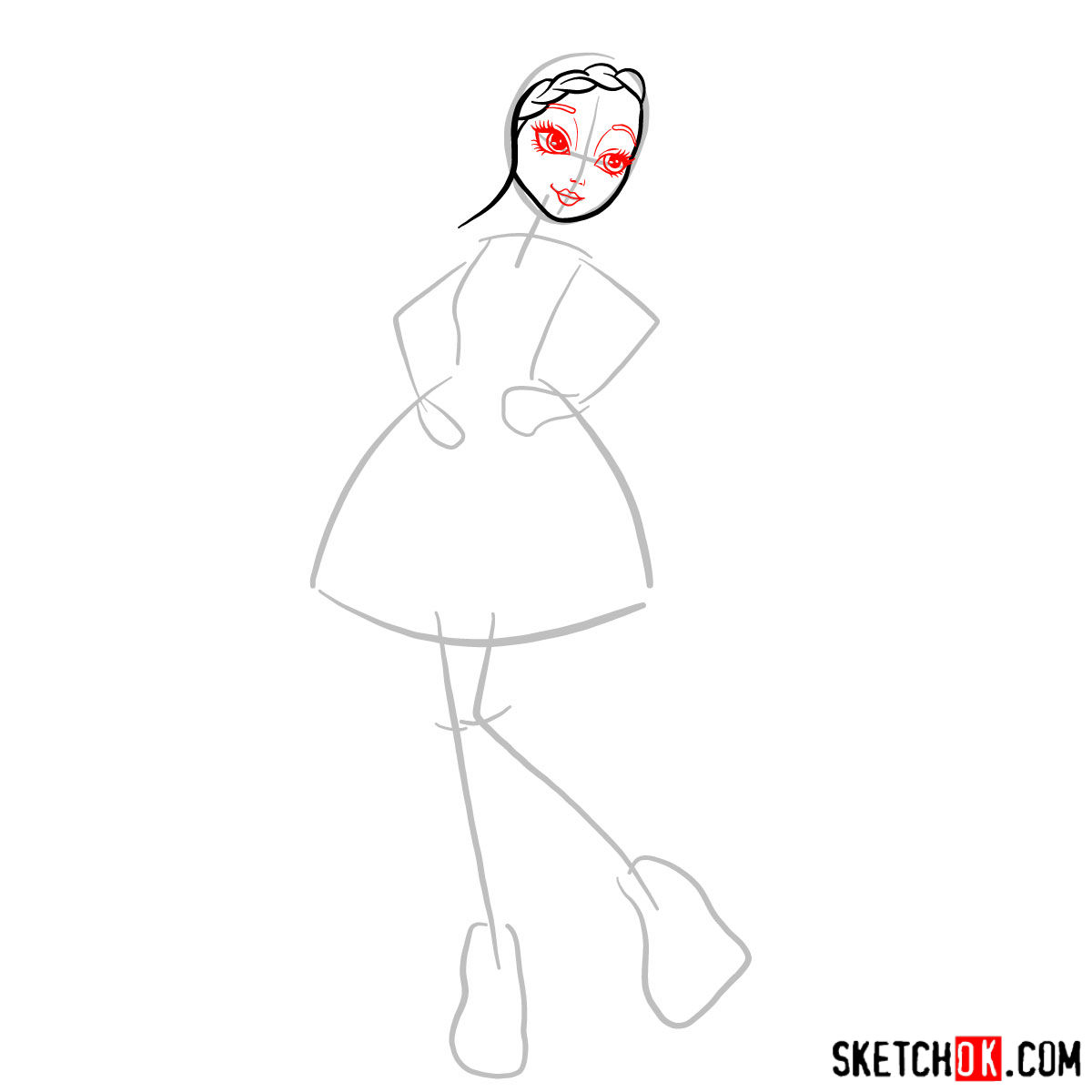
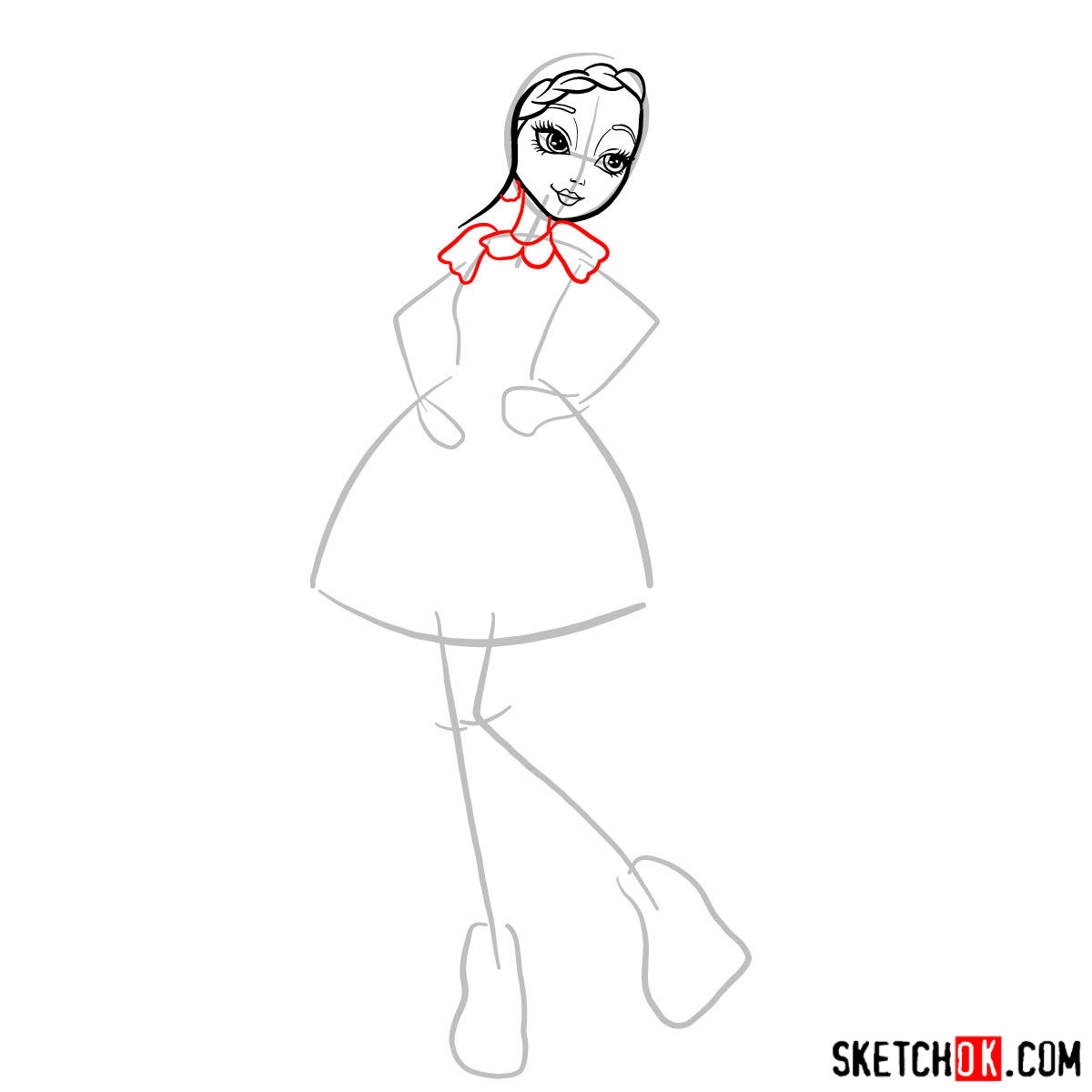

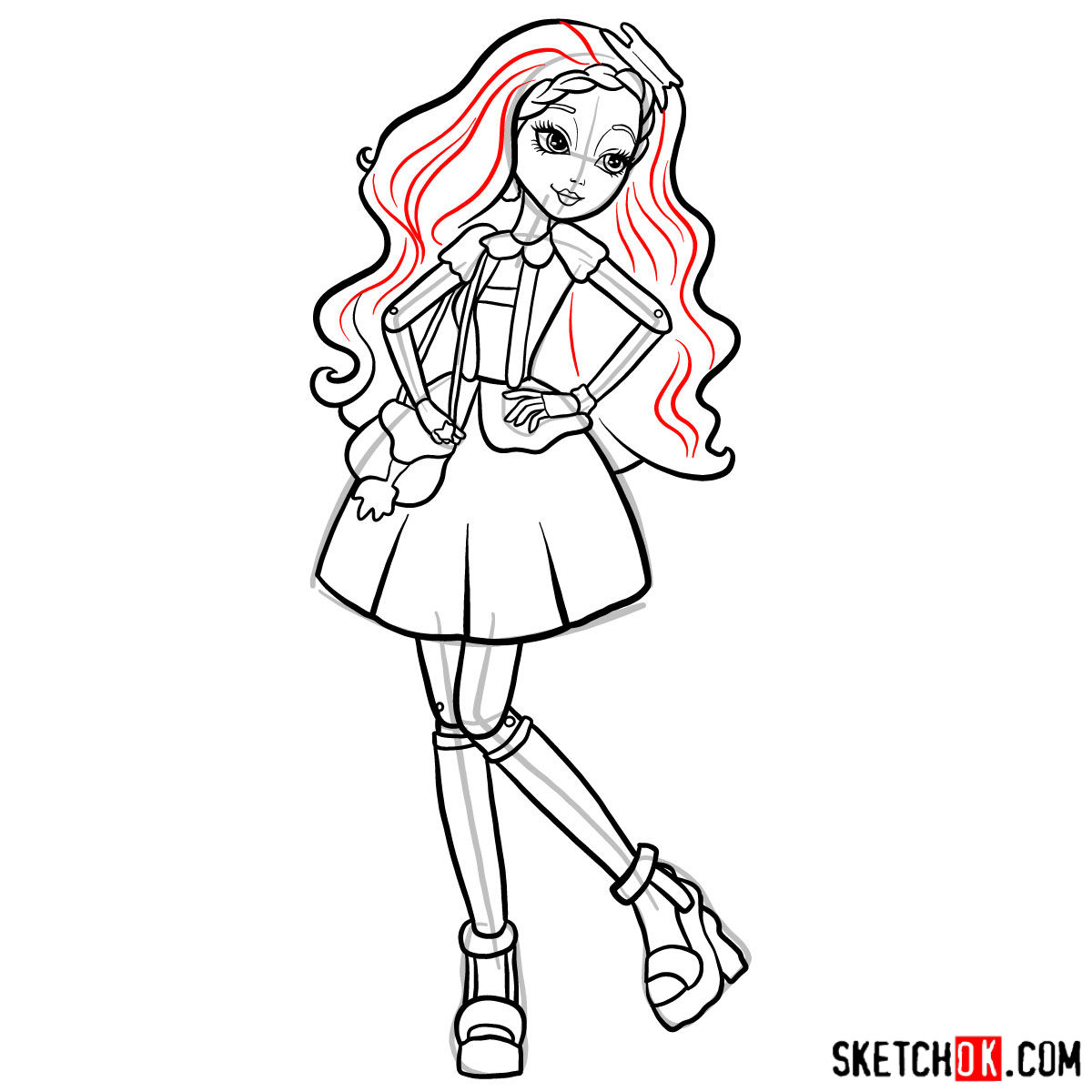


If your Cedar Wood sketch looks a little different from the final image, that’s completely fine, honestly that’s just how drawing works, especially when you’re still getting comfortable with a new character. The practice itself is what builds the skill, so every attempt counts even if the proportions feel off or the hair isn’t quite right. You can drop your work-in-progress sketches in the comments on the pinned Pinterest post for this how to draw Cedar Wood guide, it’s a nice spot to see what others are working through too.
