Last Updated on May 14, 2026
Welcome aspiring artists and fans of Dexter’s Laboratory! Today, we’ll be exploring how to draw the lovable boy genius, Dexter Louis McPherson. Known for his iconic red hair and white lab coat, Dexter has been a staple of animation since his debut on Cartoon Network in the mid-90s. Drawing him will offer a fun challenge to your artistic skills, as well as a nostalgic trip down memory lane.
The Dexter Factor: Diving into Details
Dexter’s design is deceptively simple. Yet, his recognizable appearance has several elements that artists should focus on. Let’s break it down:
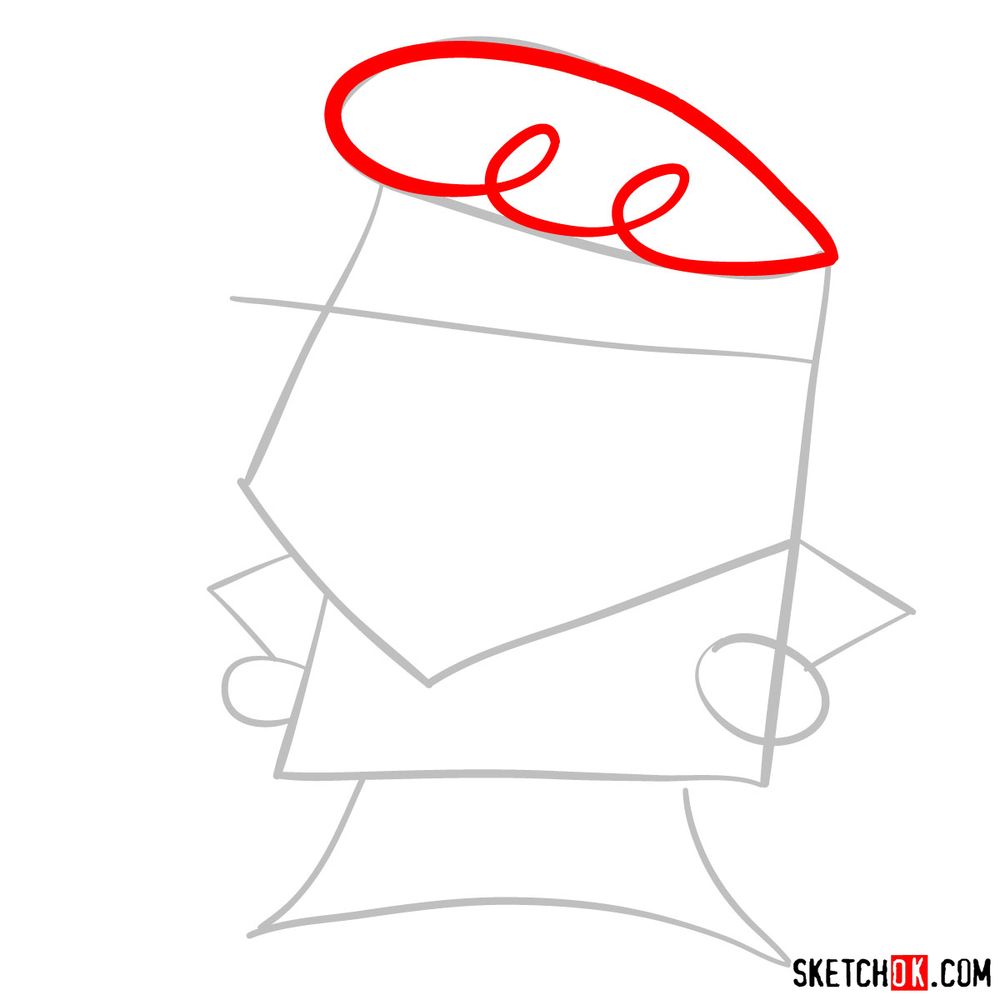
- Head and Hair: Dexter has a large face, accentuated by his semi-circular glasses and curly red hair inherited from his mother.
- Lab Coat: The iconic white lab coat with black buttons represents his scientific prowess.
- Gloves and Boots: His purple gloves and black rubber boots are the finishing touches to his distinctive outfit.
Other characters from the show like the villain Mandark, or Dee Dee, Dexter’s older sister, can be an interesting addition to your drawing. Dee Dee’s tall, lanky figure contrasts perfectly with Dexter’s short, stout build, and drawing the pair together can result in a dynamic composition.
Mastering the Art: Navigating the Guide
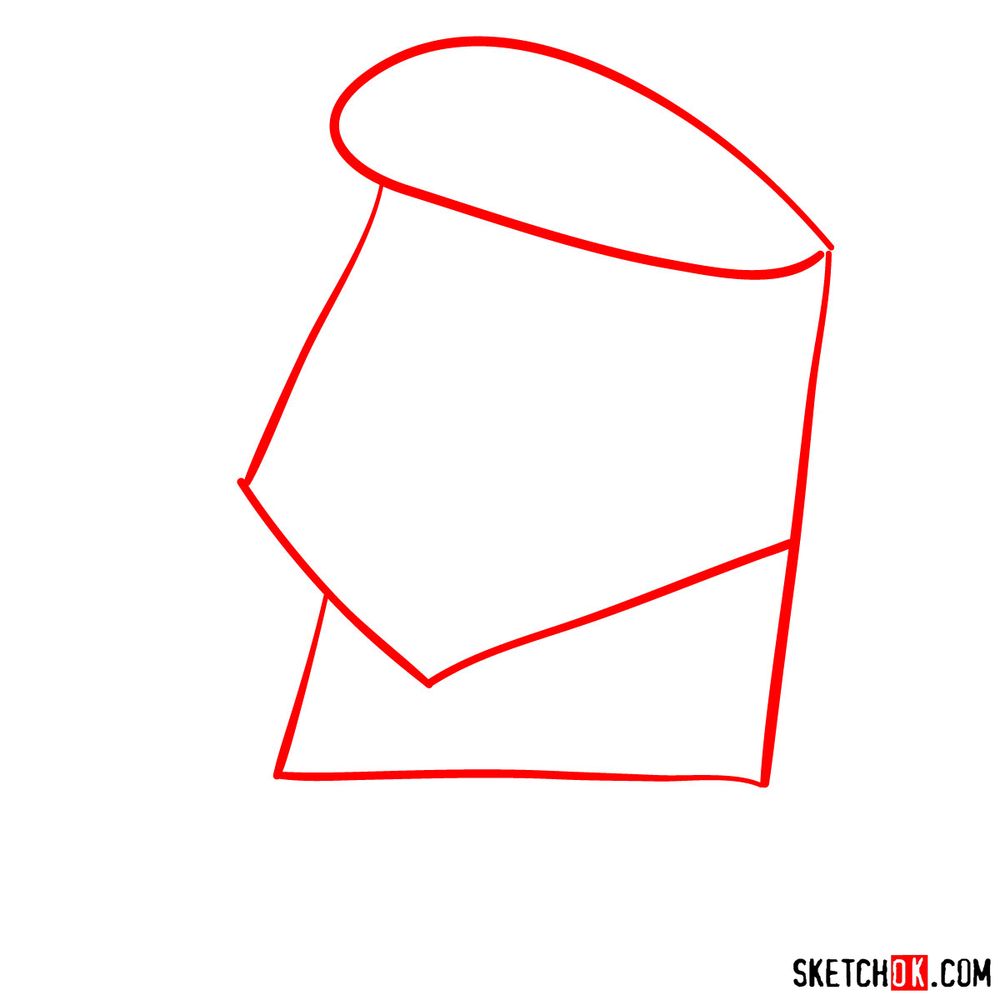
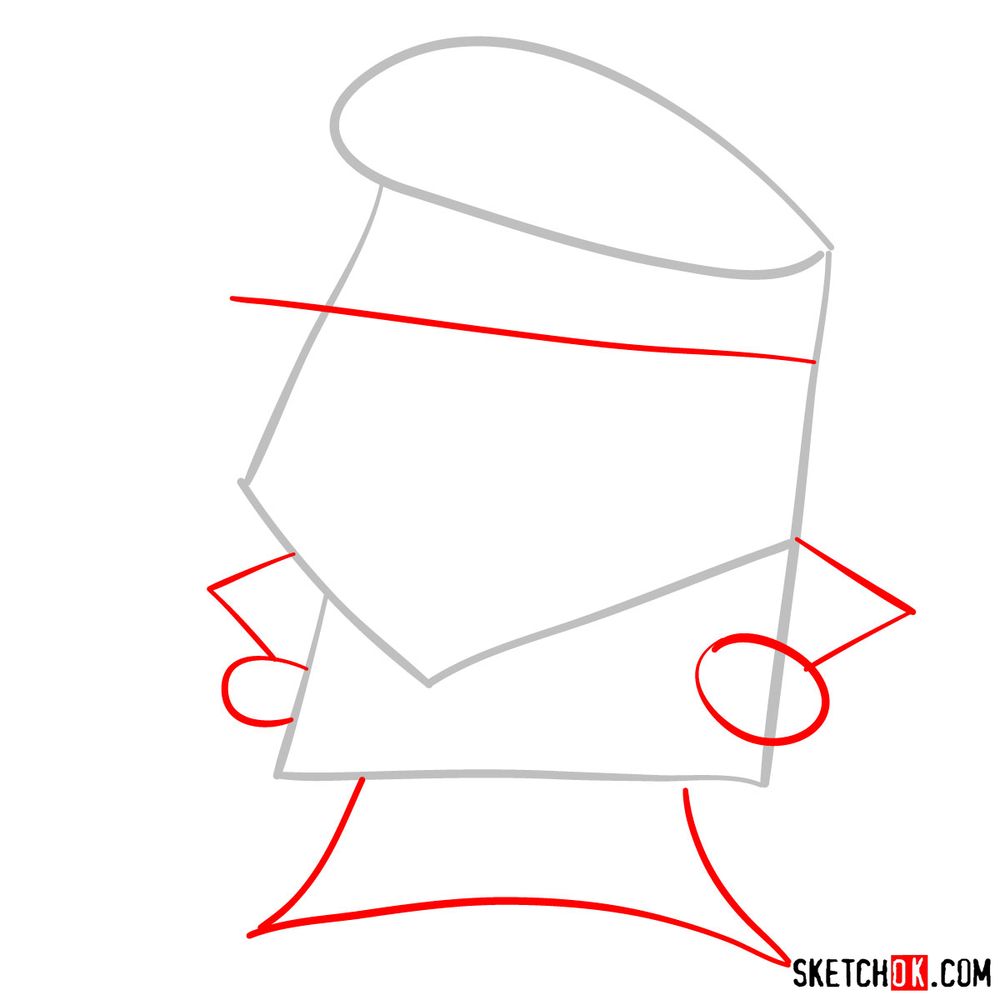
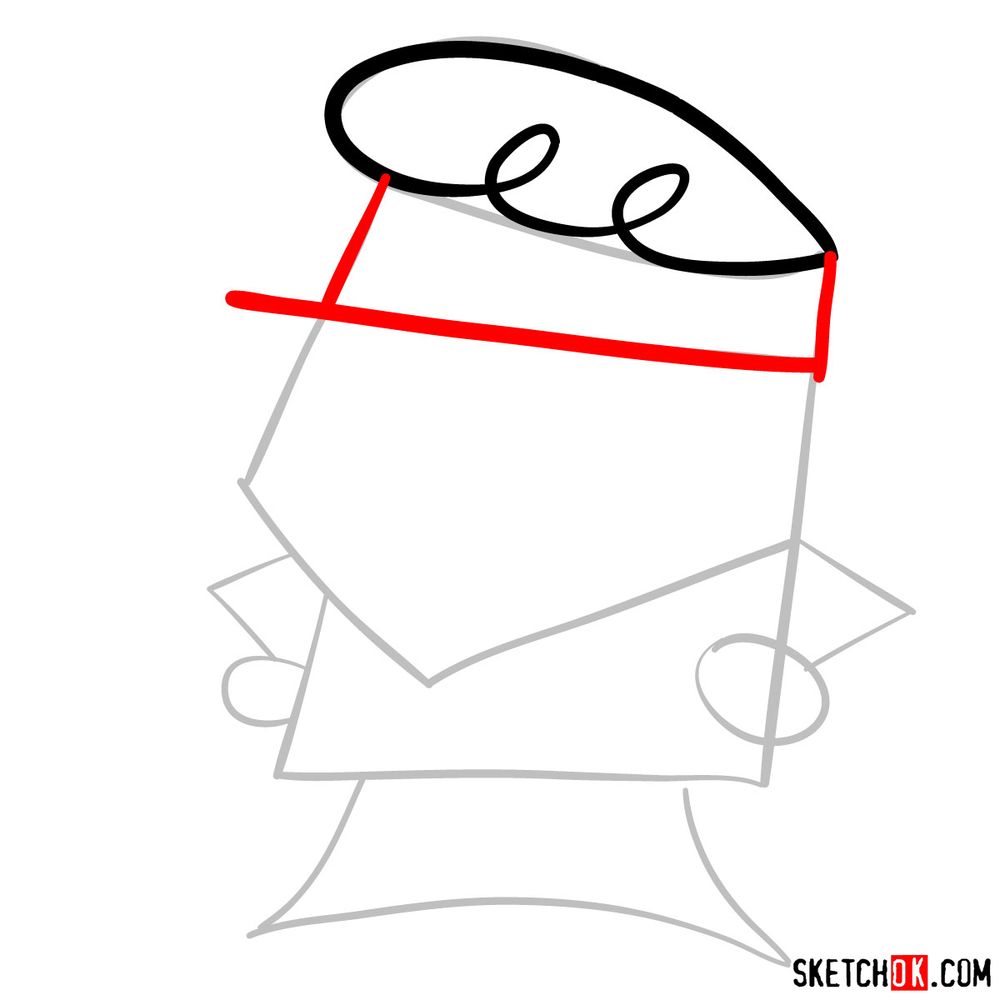
This tutorial uses a series of images, each representing a step in the drawing process. The guide consists of 12 steps, starting with basic sketching and ending with inking. Let’s decode the color guide:
- Grey Color: Represents the basic sketch lines drawn lightly for initial proportions.
- Black Color: Indicates lines you’ve already drawn in the previous steps.
- Red Color: Highlights the current step in the process that you should be focusing on.
The first three steps involve sketching a basic structure using light strokes. This allows for easy adjustment and refinement as you progress. The last stage involves inking your sketch. Remember to be patient and let the ink dry to avoid smudging, before gently erasing the pencil lines.








Learning how to draw Dexter takes a few tries, and your version probably won’t look exactly like the reference image on the first go, which is completely fine. The practice itself is what builds your skills, not hitting a perfect result right away. If you want to share where you’re at with your sketch, the pinned post for this guide on Pinterest is a good spot to drop your work-in-progress and see what others are working on too.

Thanks for hosting such a site 🙂
Thank you for the kind words. Glad you like it 🙂
This will be cool