Every artist starts with a blank canvas and an idea. Today, we’re venturing into the Cloud Kingdom of Mewni to bring one of Star Butterfly’s closest allies to life. Whether you’re a seasoned artist or just picking up a pencil, this guide on how to draw Flying Princess Pony Head will ensure you create a masterpiece!
The Royal Details: What Makes Pony Head Unique
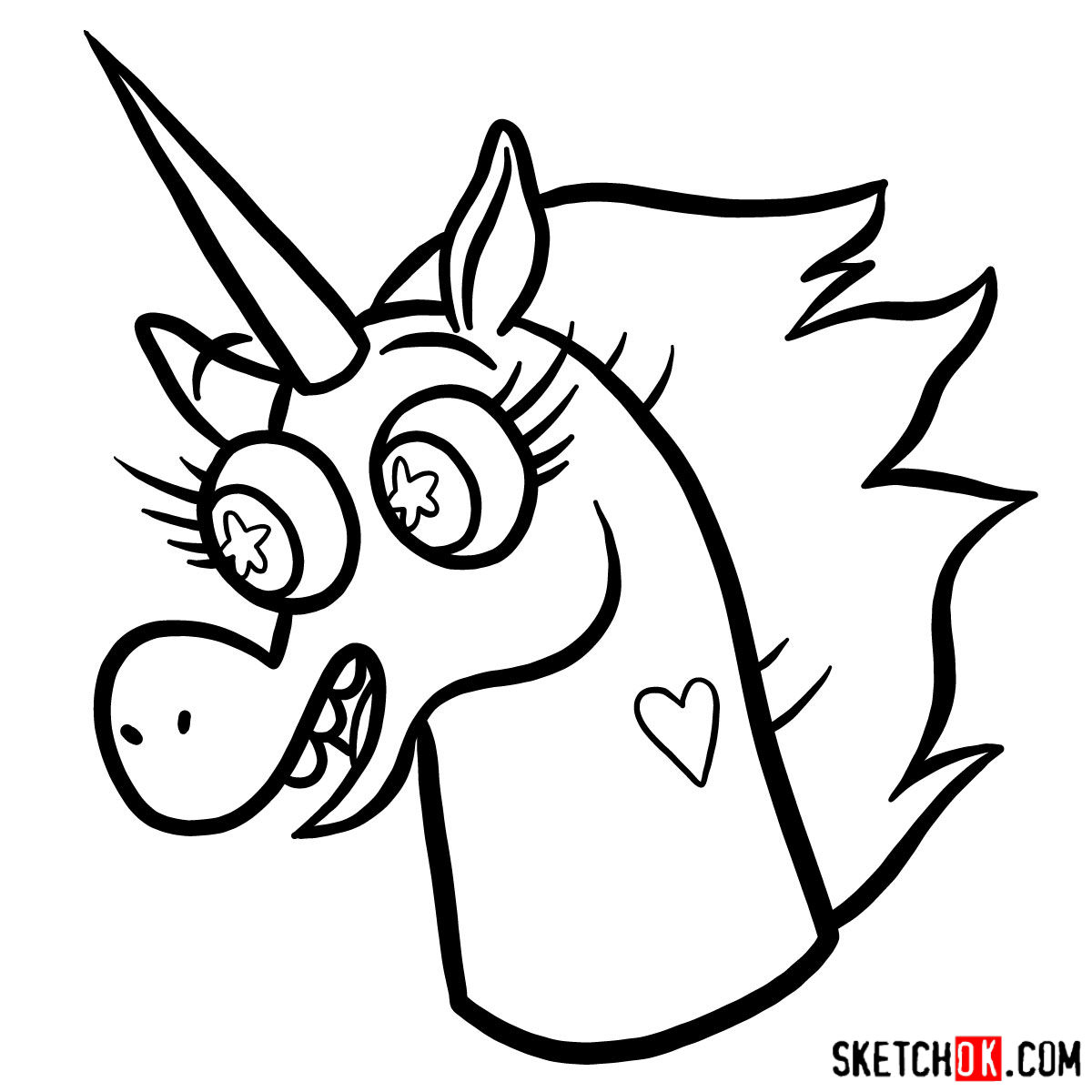
- Main Features: As her name suggests, Flying Princess Pony Head is, well, a flying pony’s head. There’s no body, just the head and neck of a magical unicorn.
- Colors & Texture: She boasts light blue fur, a vibrant pink mane, and teal eyes with golden star pupils.
- Magical Horn: Not to forget her teal horn, which stands as a symbol of her royalty and power.
- Iconic Traits: Two pink hearts adorn each side of her neck, while sparkles and glitter used to cascade from the base of her neck, a reminder of magic’s fleeting presence.
Considering drawing a scene? You might want to add Star Butterfly or perhaps other characters like Tom Lucitor. With Pony Head’s dynamic personality, the possibilities are endless!
Understanding the Guide’s Palette
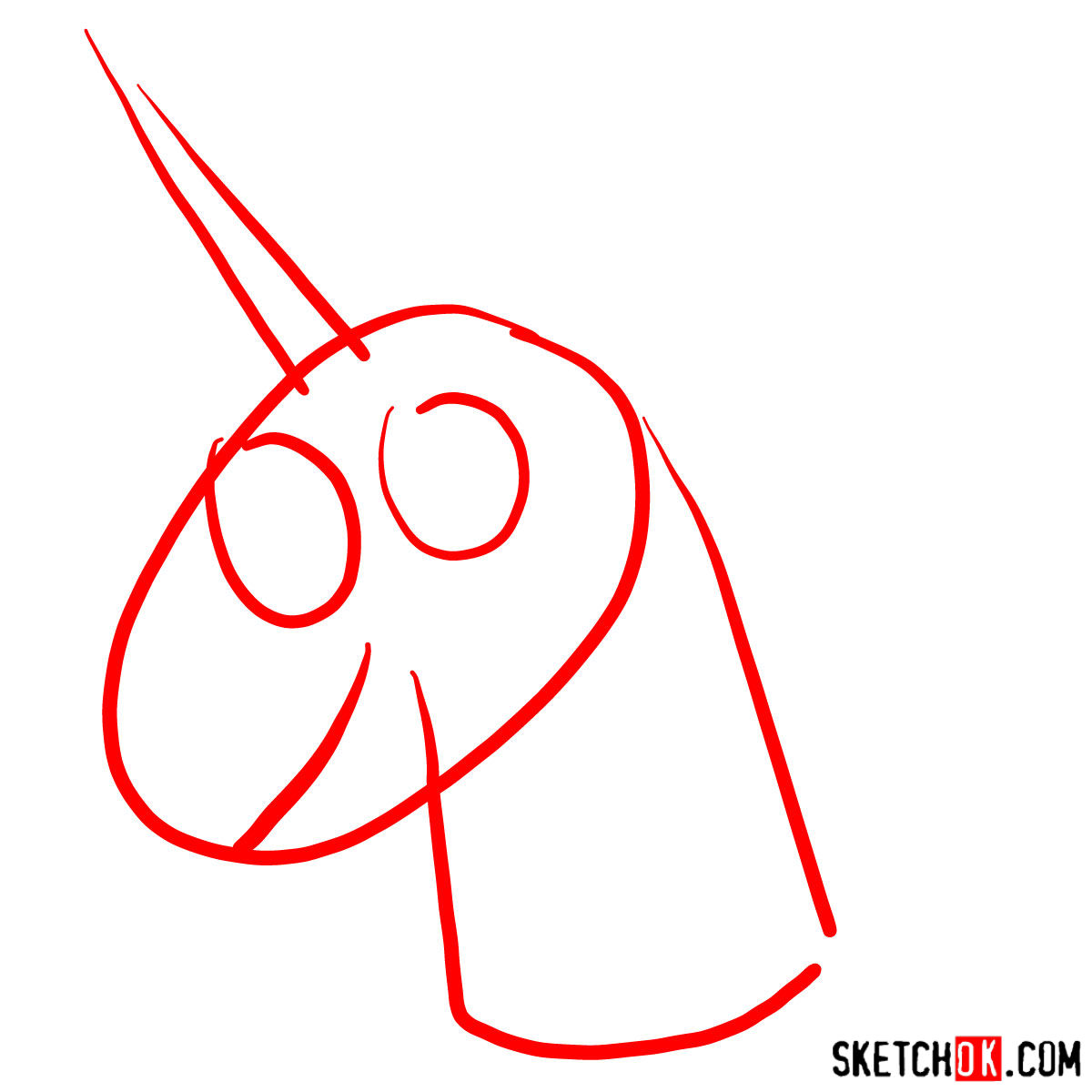
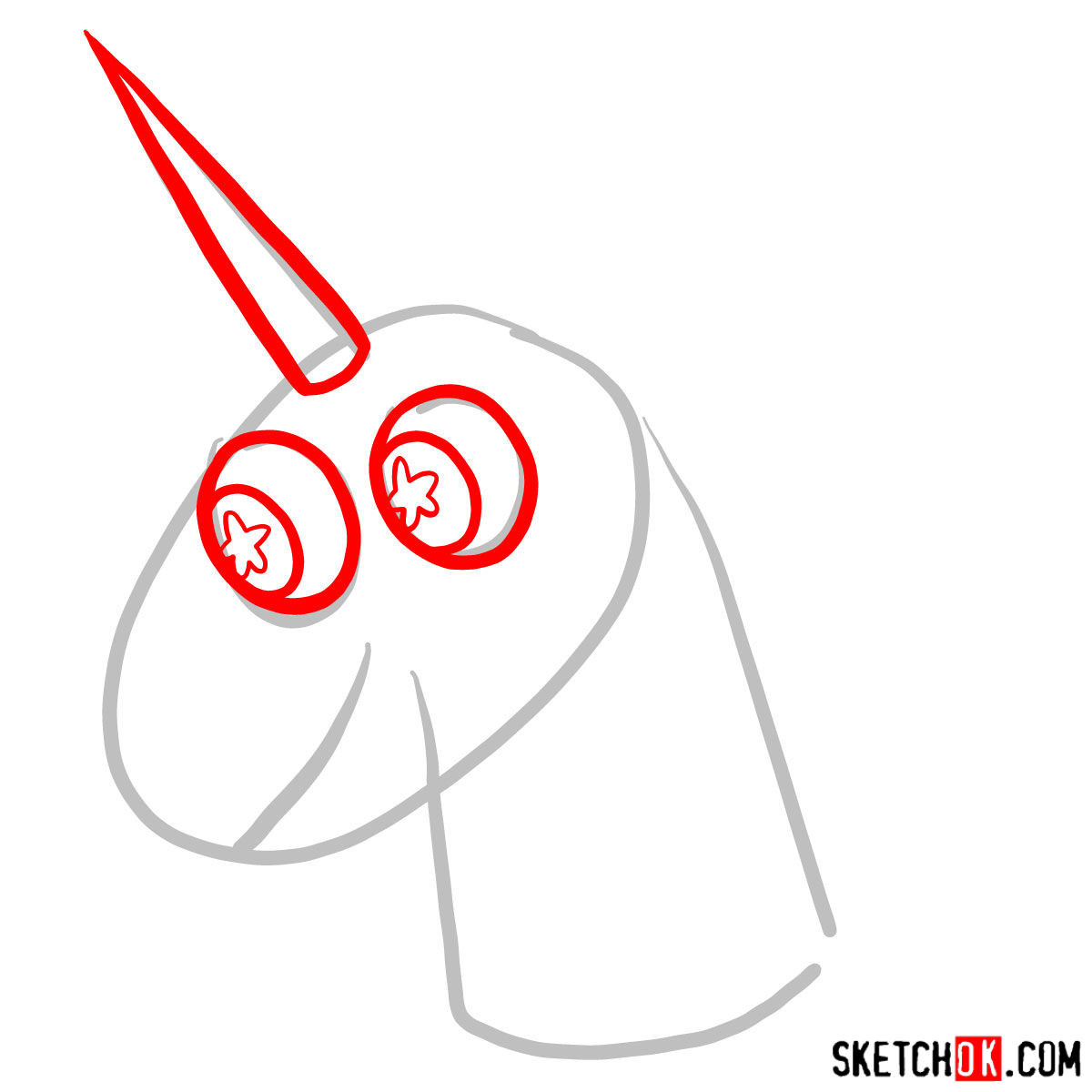
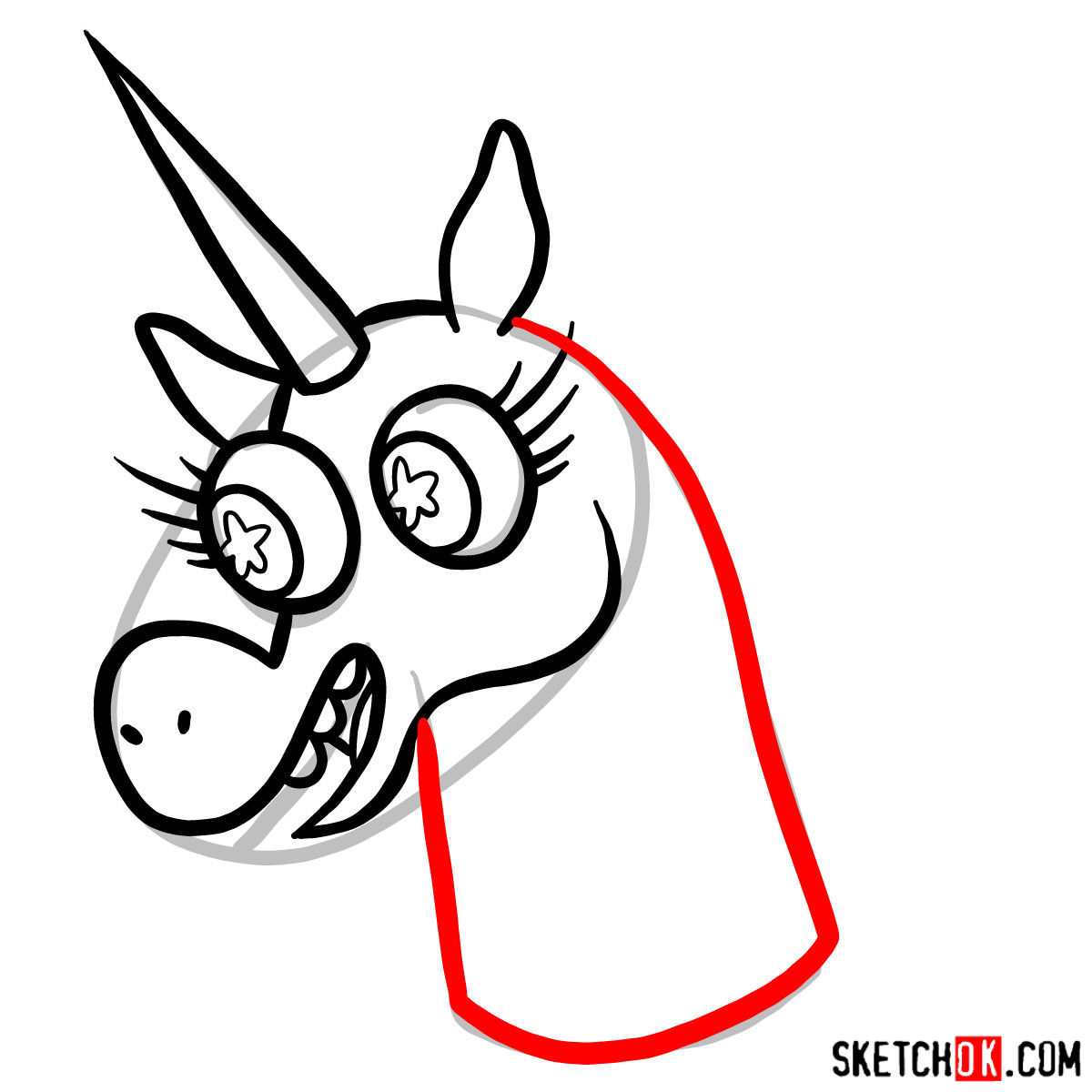
- Red Color: Concentrate here! This is your current step in the drawing process.
- Black Color: This color showcases the lines you’ve already crafted, your progress so far.
- Grey Color: Think of these lines as the skeletal structure of your drawing—your guide to getting the proportions just right.
This 10-step guide starts by laying down the basic sketch, giving you a foundation. As you approach the end, you have the choice to ink your masterpiece. Remember to wait patiently for the ink to dry to avoid any smudges. Only then should you erase the preliminary pencil lines. And while this tutorial revolves around sketching, we’ve included a colored reference image to inspire you for the final touches!






Your first attempt at how to draw Flying Pony Head might not turn out exactly the way you pictured, and that’s completely fine, most drawings take a few tries before they start clicking. Keep that sketch around as a reference point, because it’s genuinely useful to look back and see how much you’ve improved. New guides go up regularly, so following SketchOk on Pinterest or Facebook, or subscribing to the YouTube channel, is a good way to keep the practice going.