Last Updated on May 14, 2026
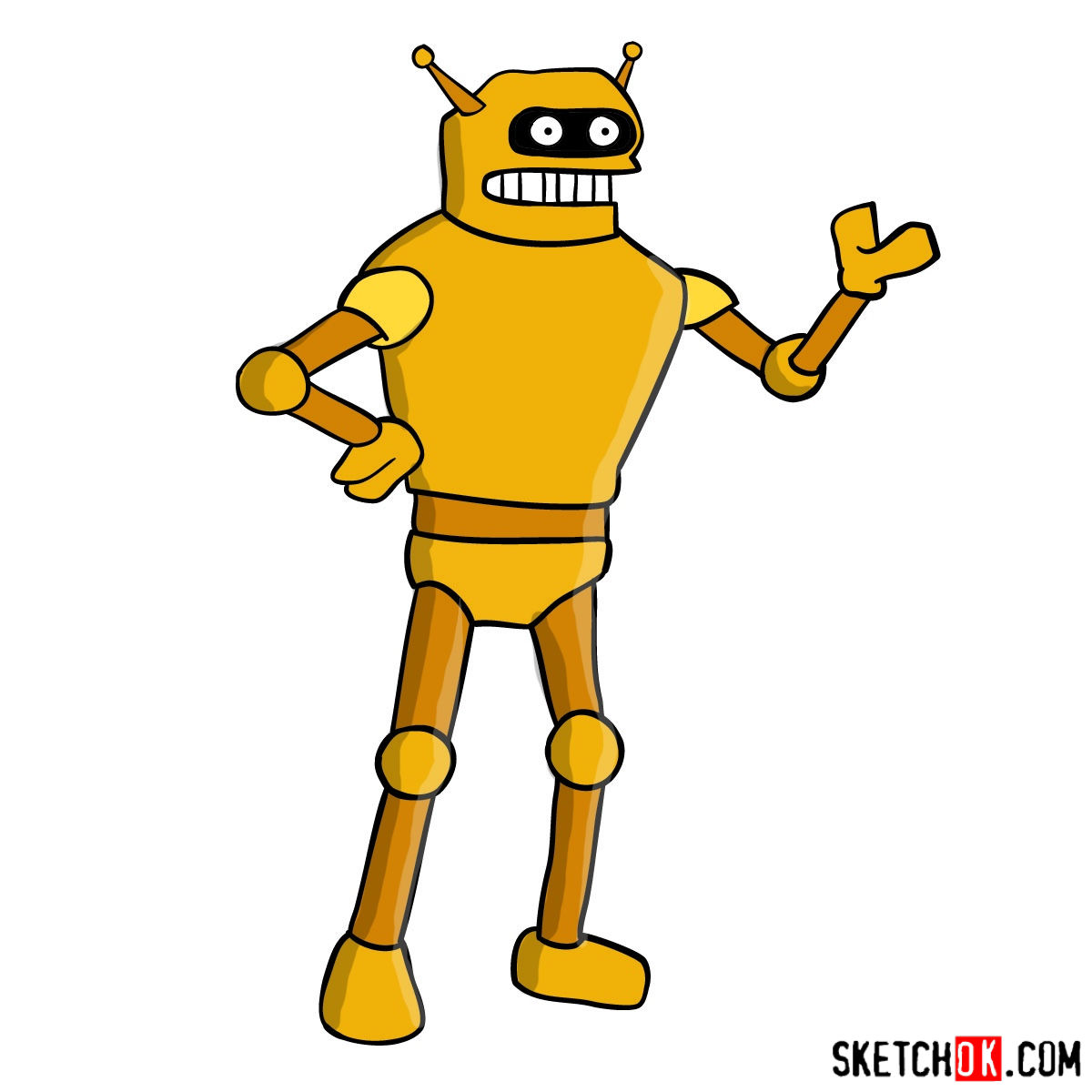
If you’ve ever been intrigued by the world of drama and acting in the 31st century, chances are you’ve encountered the legendary Calculon from Futurama. A robotic actor whose flair for the theatrical is unparalleled, learning how to draw Calculon provides an exciting challenge for artists of all levels. But fear not! With our guide, you’ll be sketching this iconic character in no time, capturing both his mechanical intricacies and his unmatched dramatic presence.
Shining the Spotlight: Features of Calculon
- Frame: Robotic, sleek, yet expressive in every gesture.
- Face: Designed for drama, Calculon’s face can exhibit a range of emotions, from intense sadness to exaggerated joy.
Once you’ve mastered Calculon, consider broadening your Futurama ensemble! Bender with his sarcastic wit, or perhaps the noble and tentacled Dr. Zoidberg, can complement your drawing collection.
Your Director’s Guide: The Drawing Process
In the world of sketching, as in film, there’s a method to the madness. Our tutorial embodies this, guiding you meticulously through every phase.
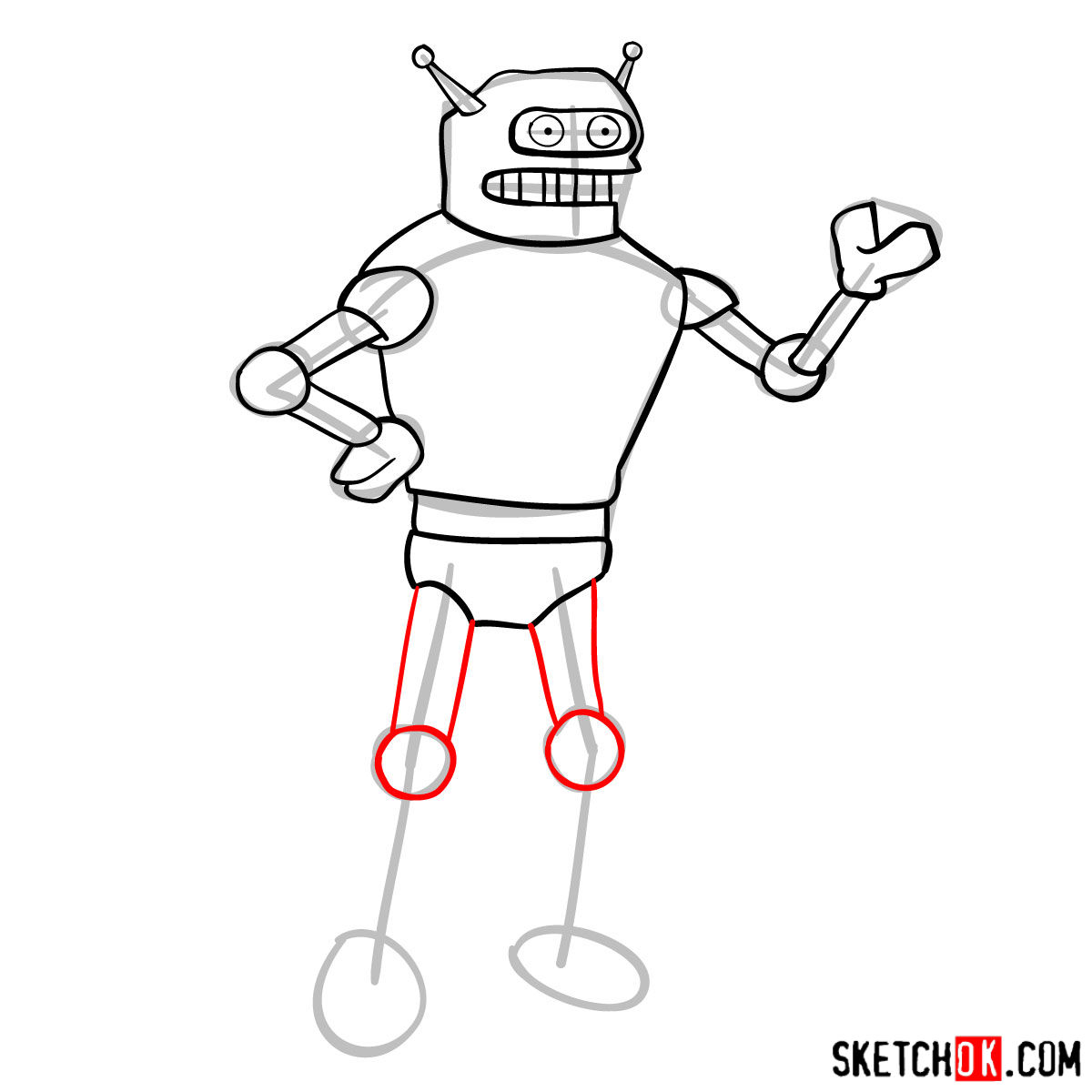
- Red Color: Dictates the current step, beckoning your attention.
- Black Color: Reminds you of the lines you’ve already etched.
- Grey Color: Illustrates the foundational sketch, setting the stage for your masterpiece.
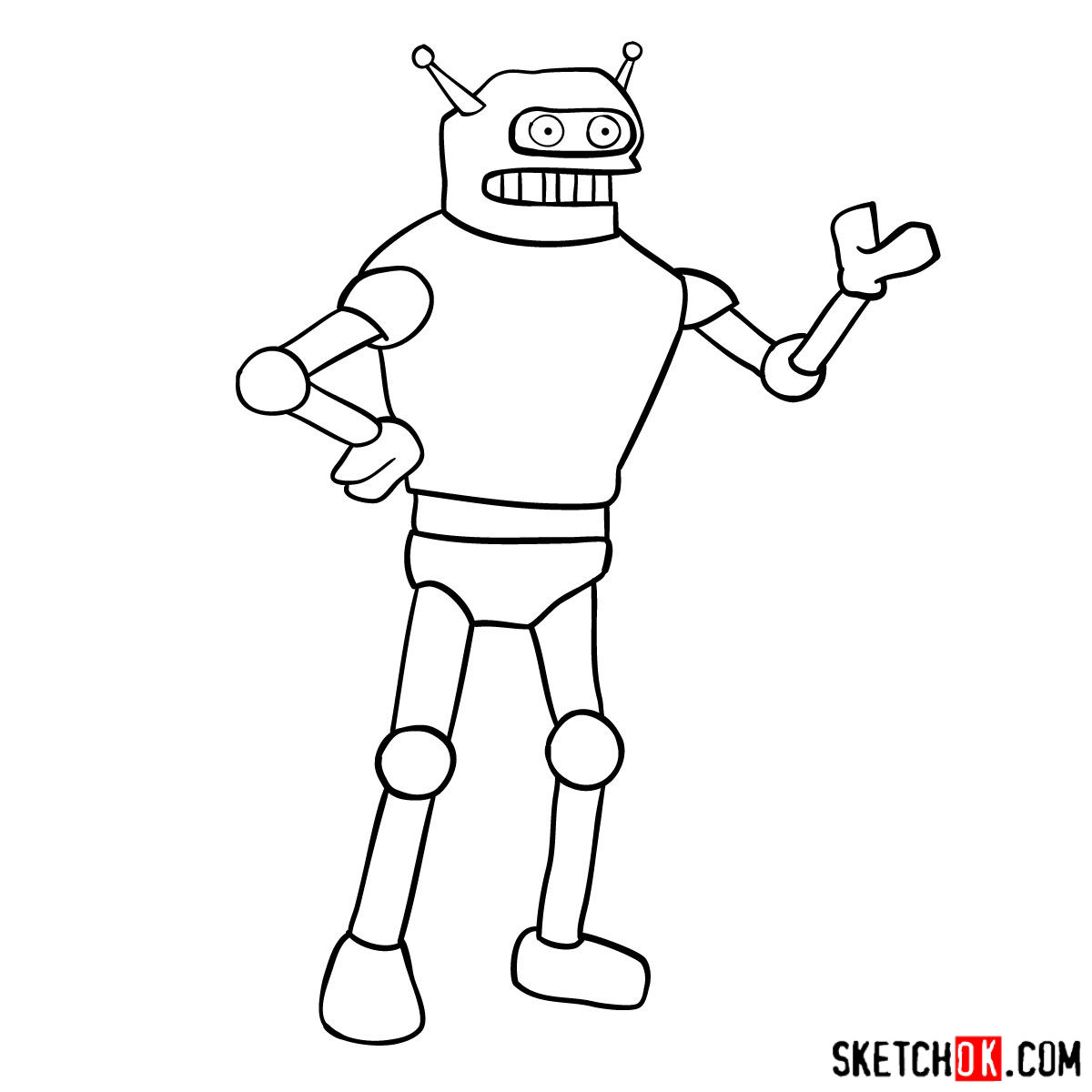
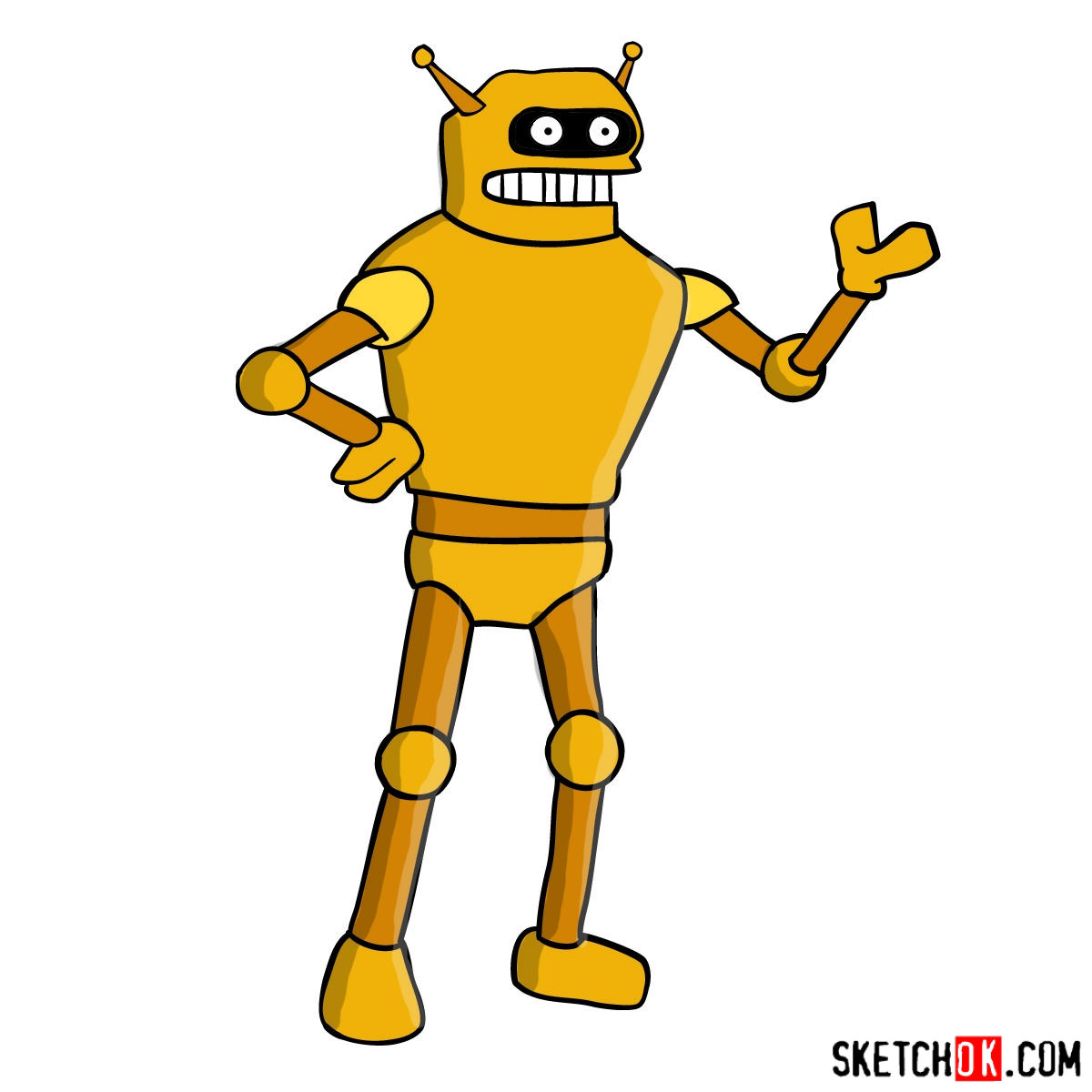
While we walk you through a total of 12 steps, remember the first step focuses on the all-important basic structure. To achieve this, gentle pencil strokes are your best friend. Once your sketch mirrors Calculon’s dramatic poise, inking can elevate your art. Here’s a tip: allow the ink to dry thoroughly to avoid smudges. Then, with a gentle hand, erase the pencil marks, paving the way for coloring. And speaking of color, our guide concludes with a vibrant depiction of Calculon to inspire your palette choices.
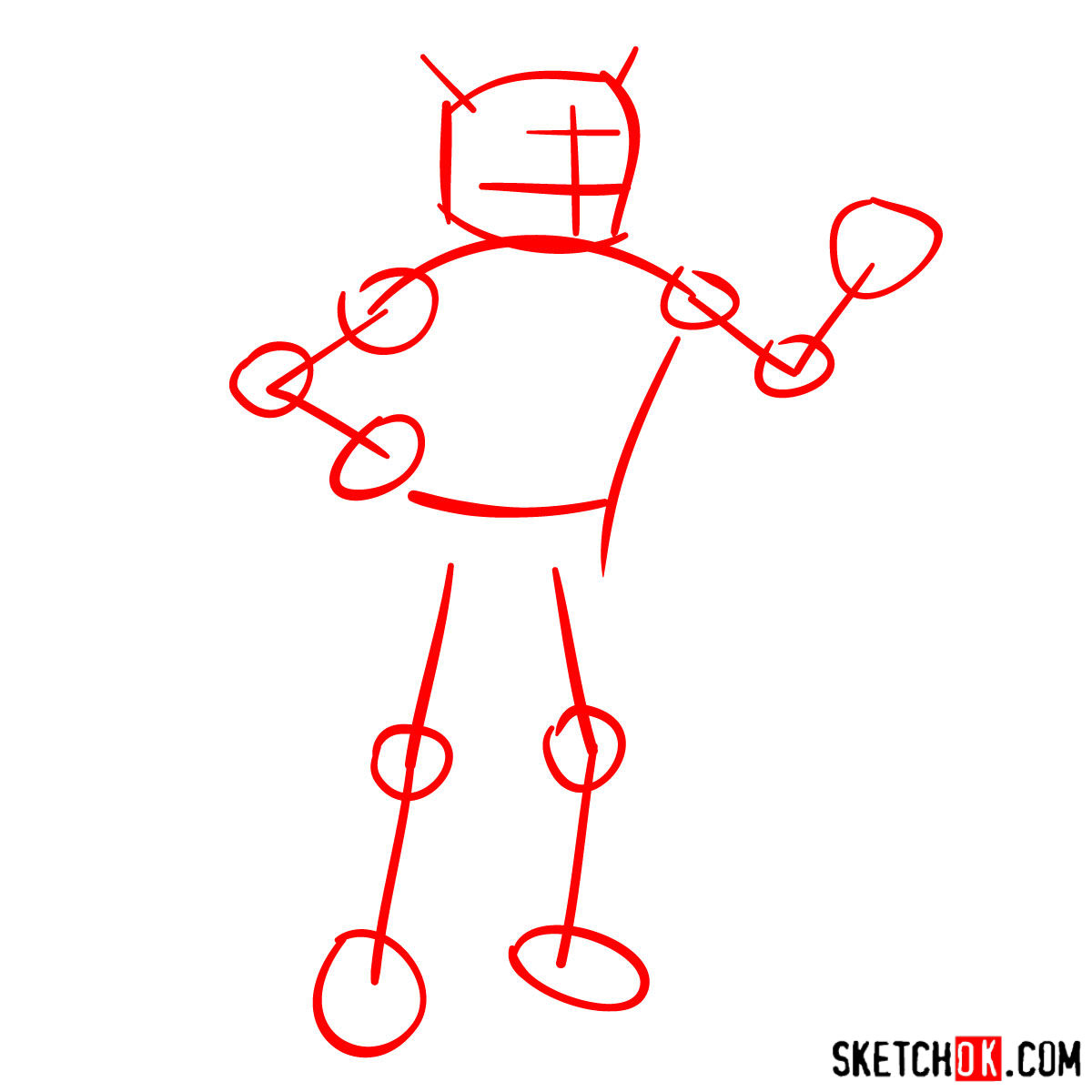
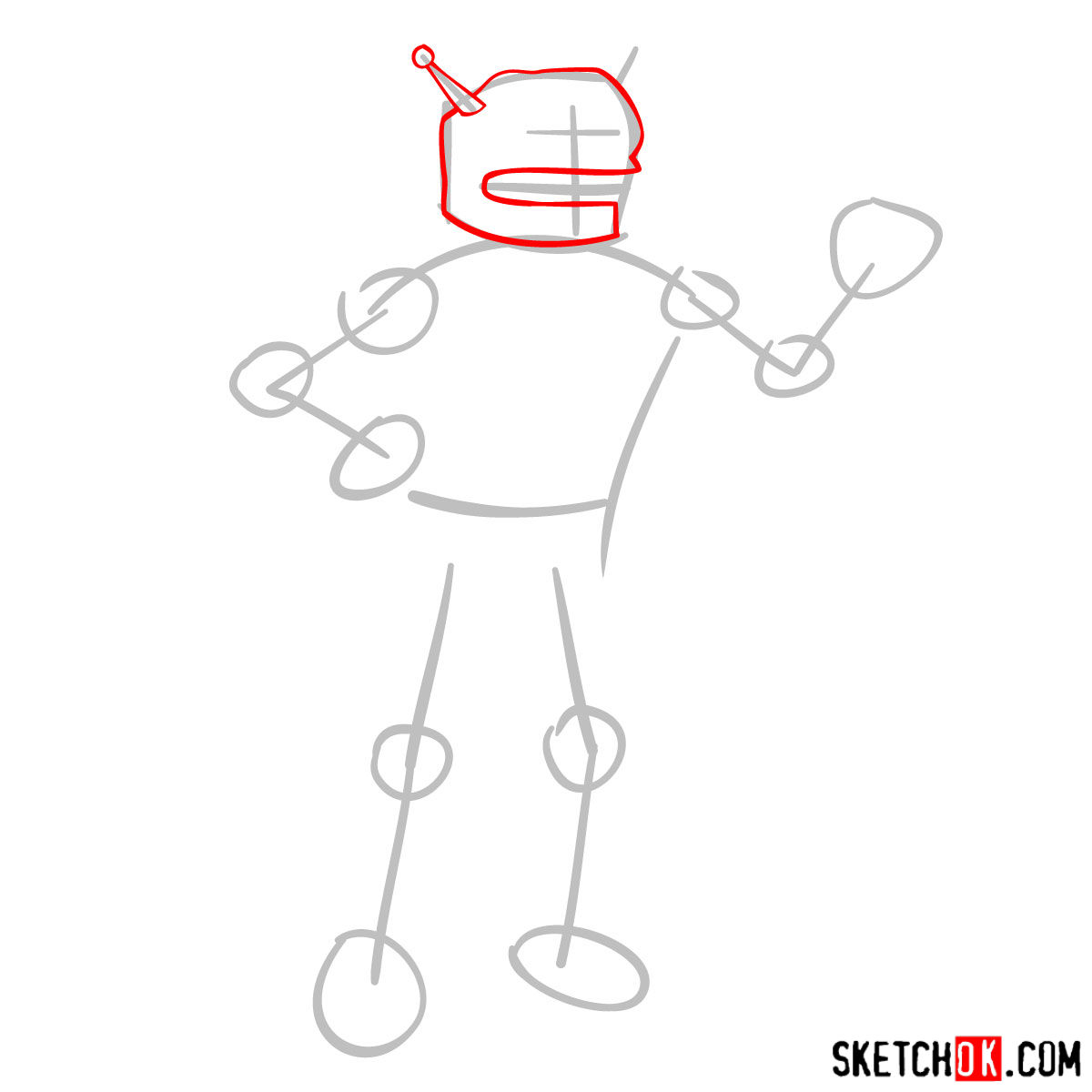
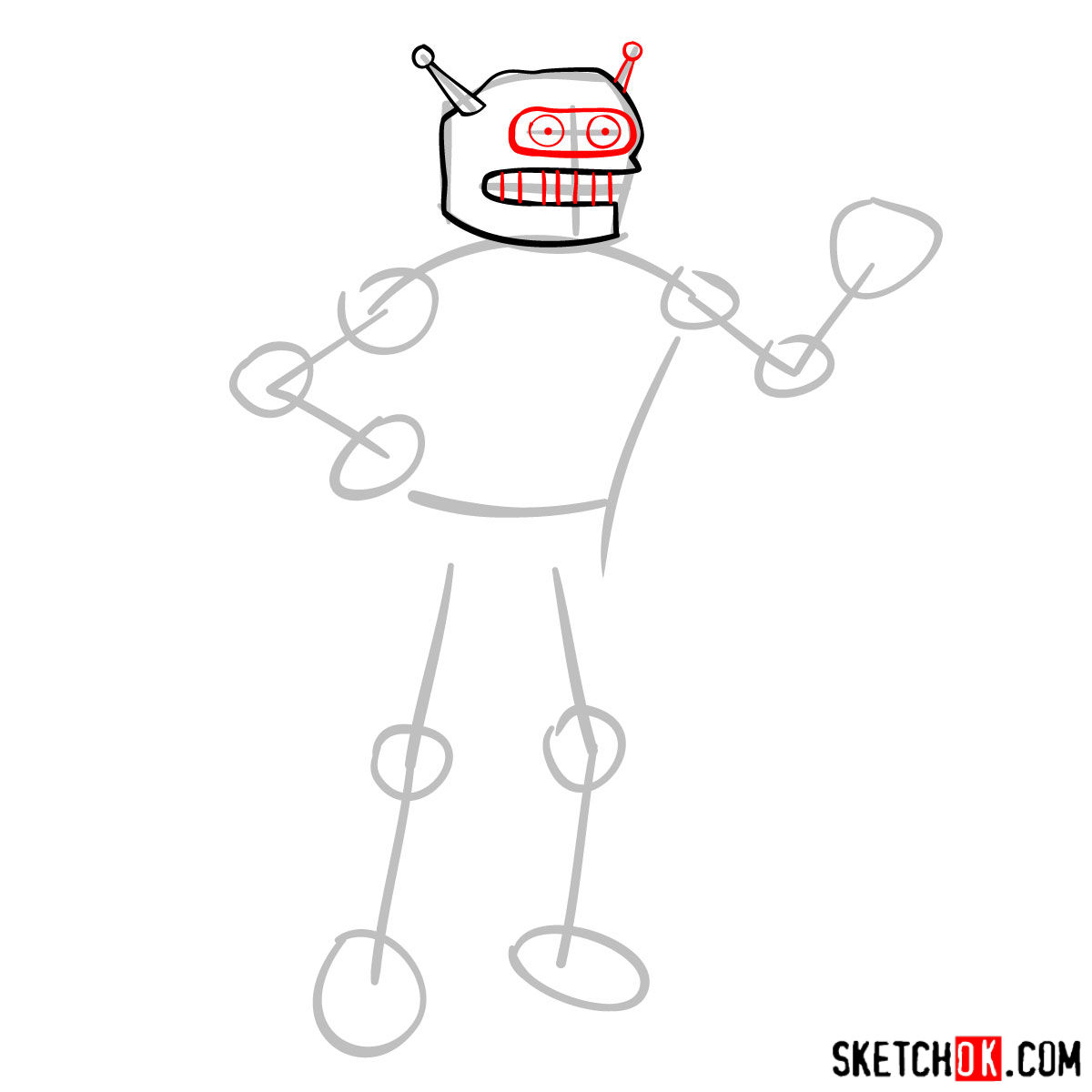
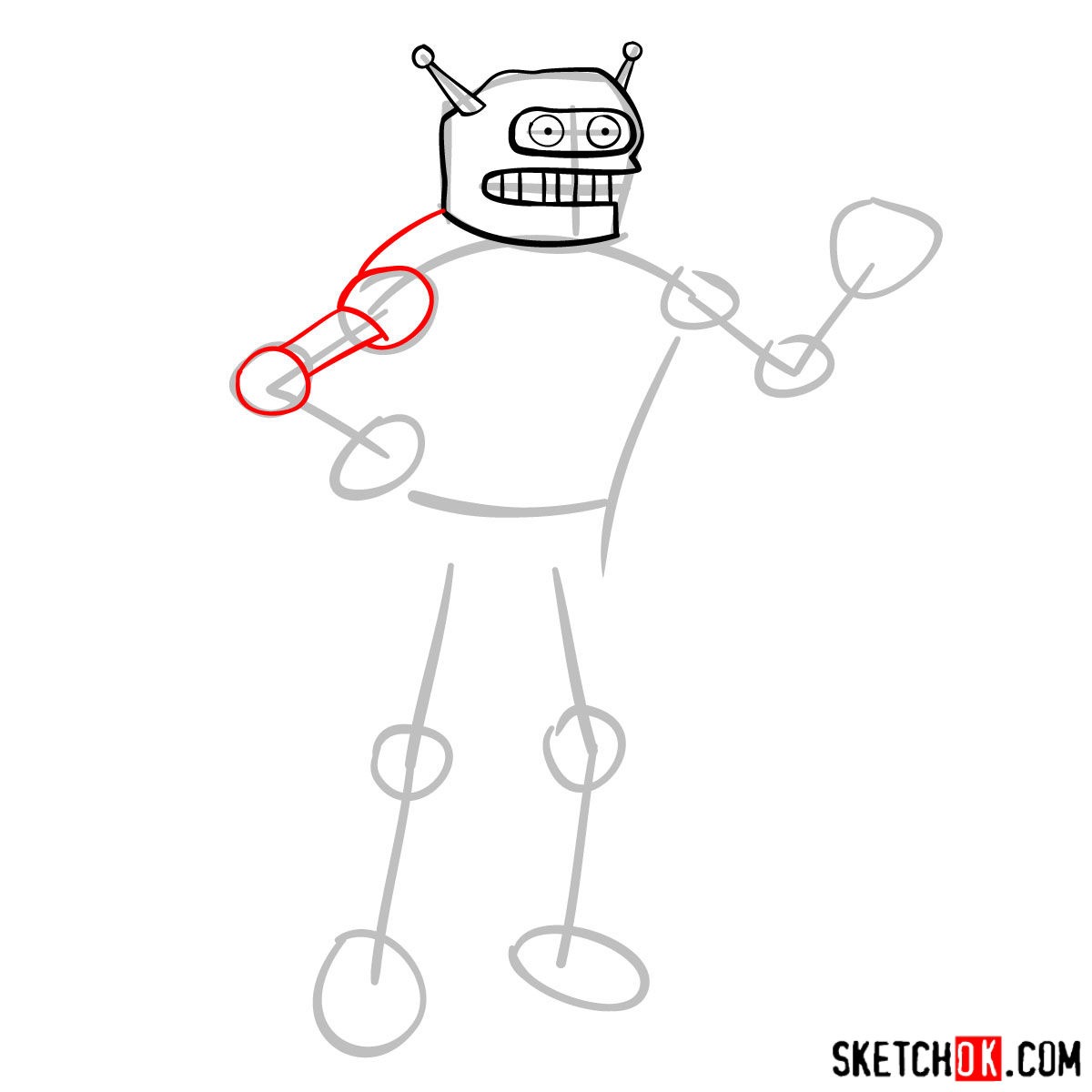

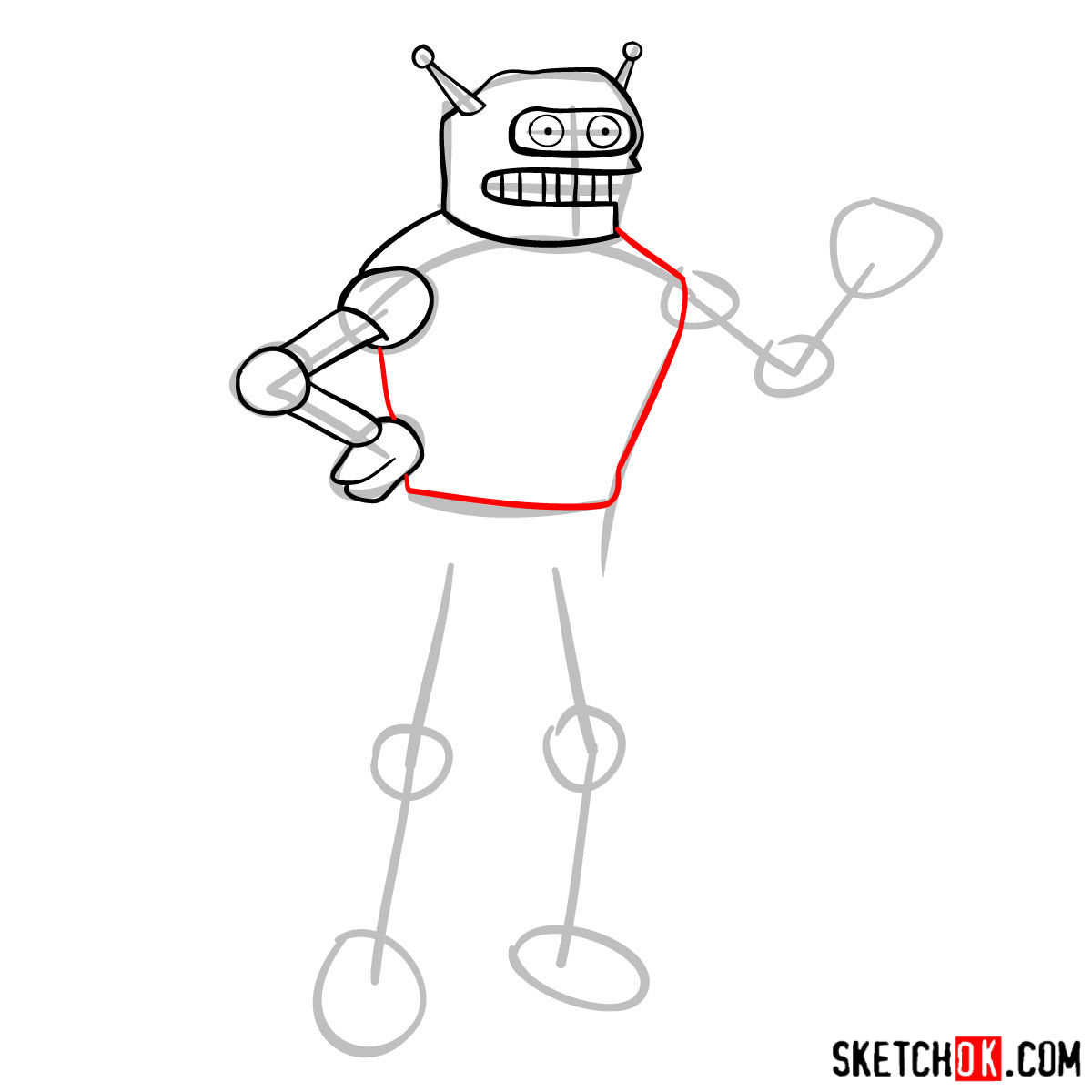
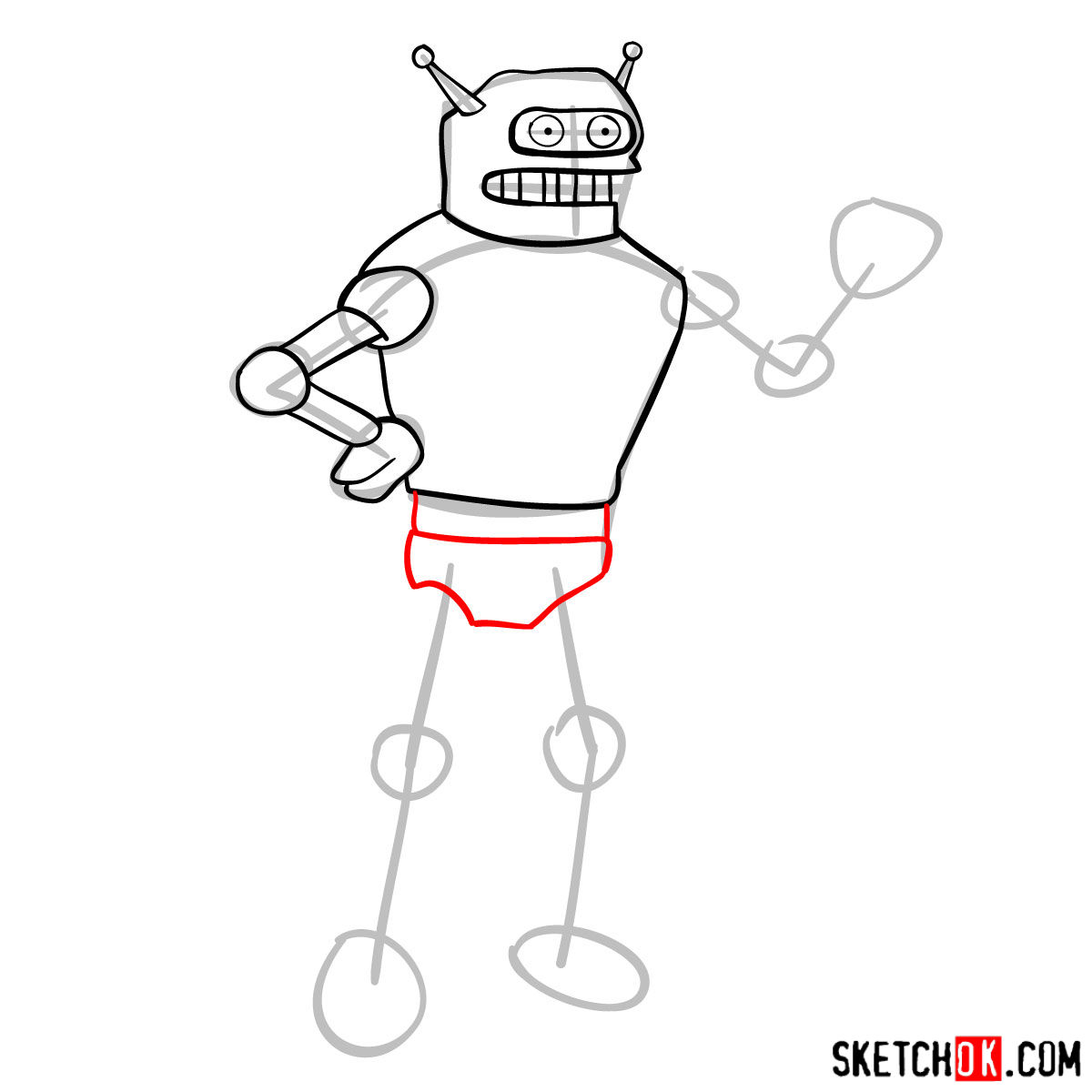
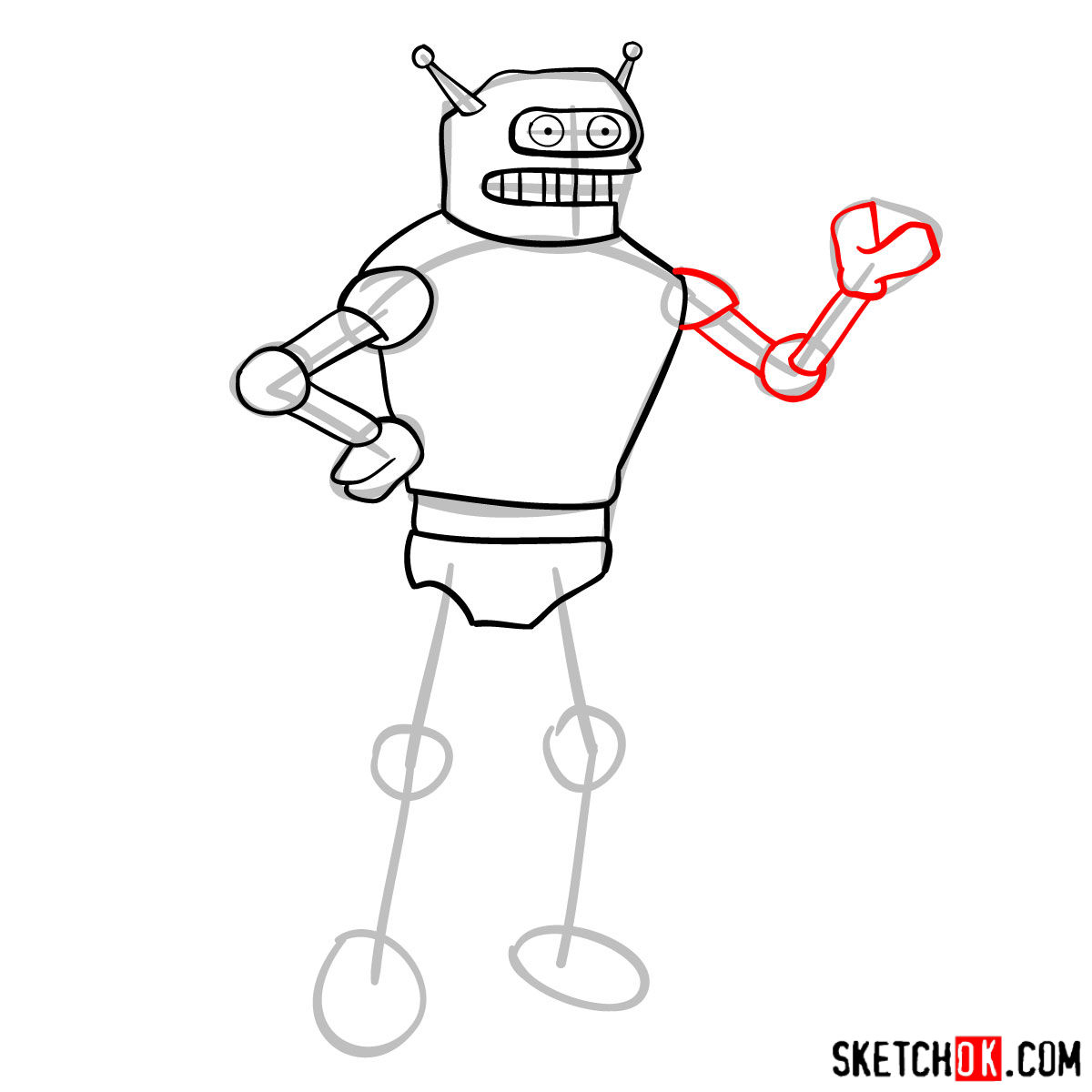

Your first attempt at learning how to draw Calculon probably won’t look exactly how you pictured it, and that’s totally fine, honestly expected. He’s got a lot of dramatic flair in his design and nailing those exaggerated proportions takes a few rounds of practice, so keep that sketch around and try again. More guides like this come out regularly, so follow SketchOk on Pinterest or Facebook to stay in the loop, and check the YouTube channel too for video versions of some guides.
