Last Updated on June 2, 2026
A broad, wrinkled face, droopy jowls, and a thick-set frame make the Central Asian Shepherd Dog one of the most physically imposing breeds to sketch, and this guide on how to draw the Central Asian Shepherd Dog walks through every proportion that gives the breed its weight. Check out more dog drawing tutorials on the site for other breeds worth adding to your sketchbook.
What the 11 Steps Cover and Why the Build Is the Challenge
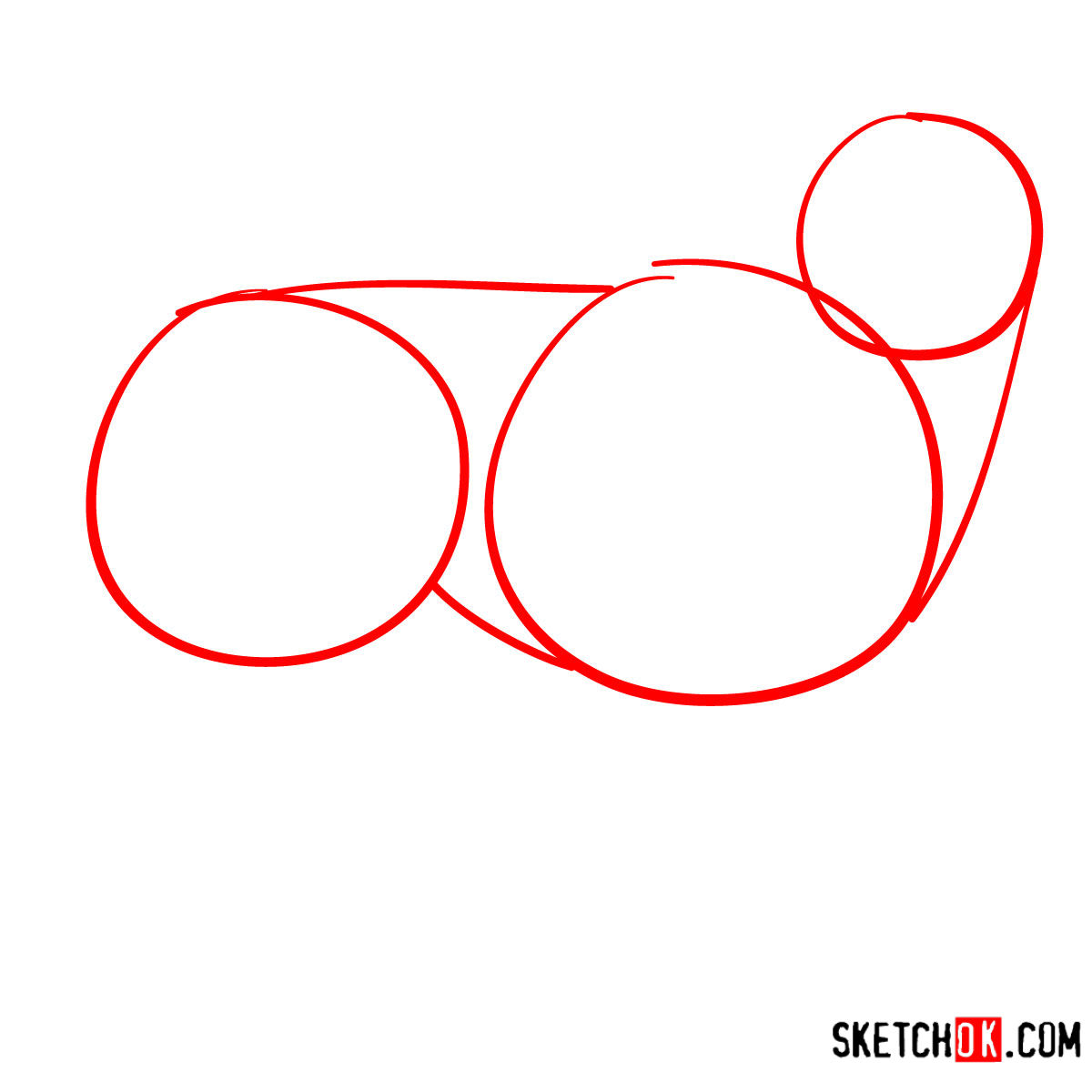
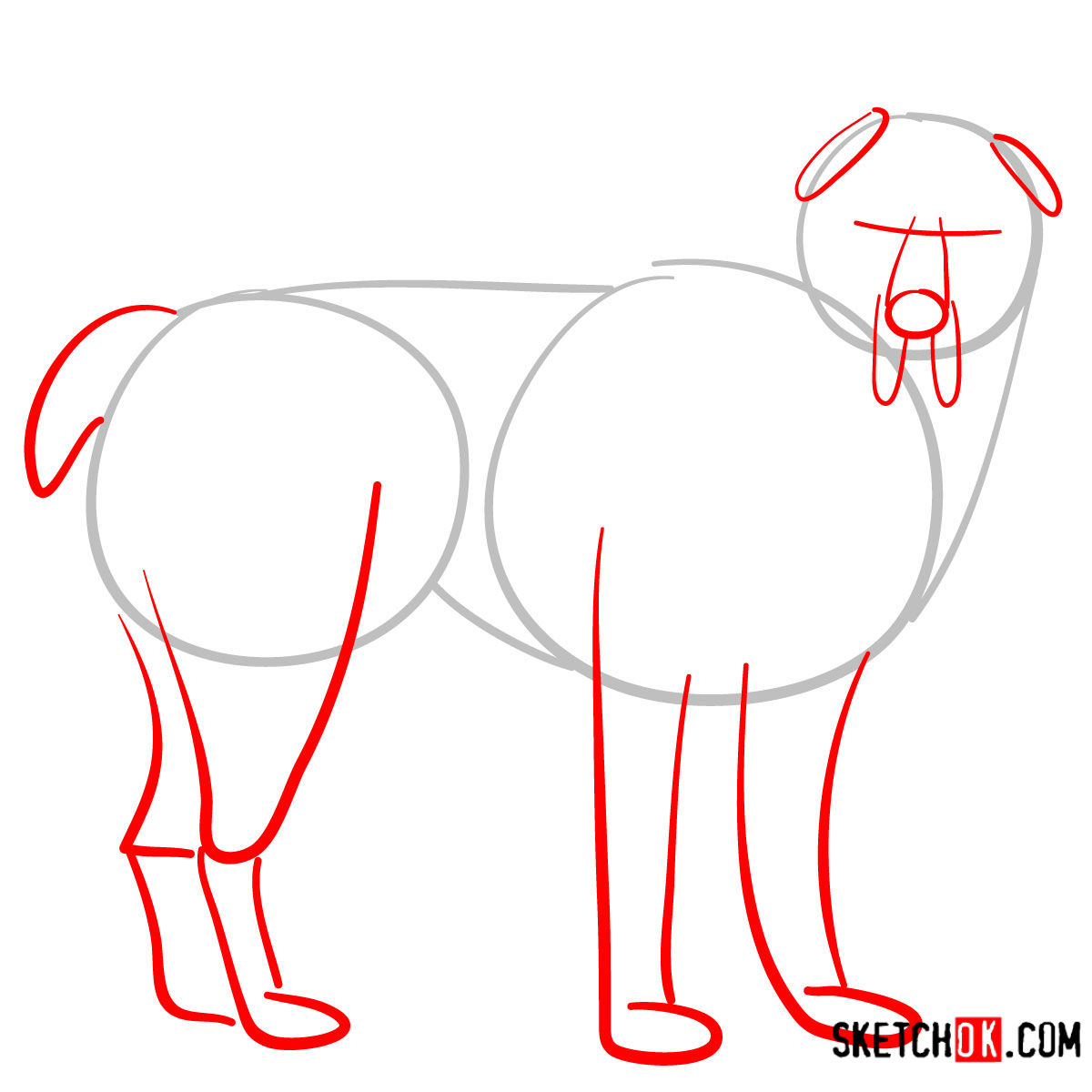
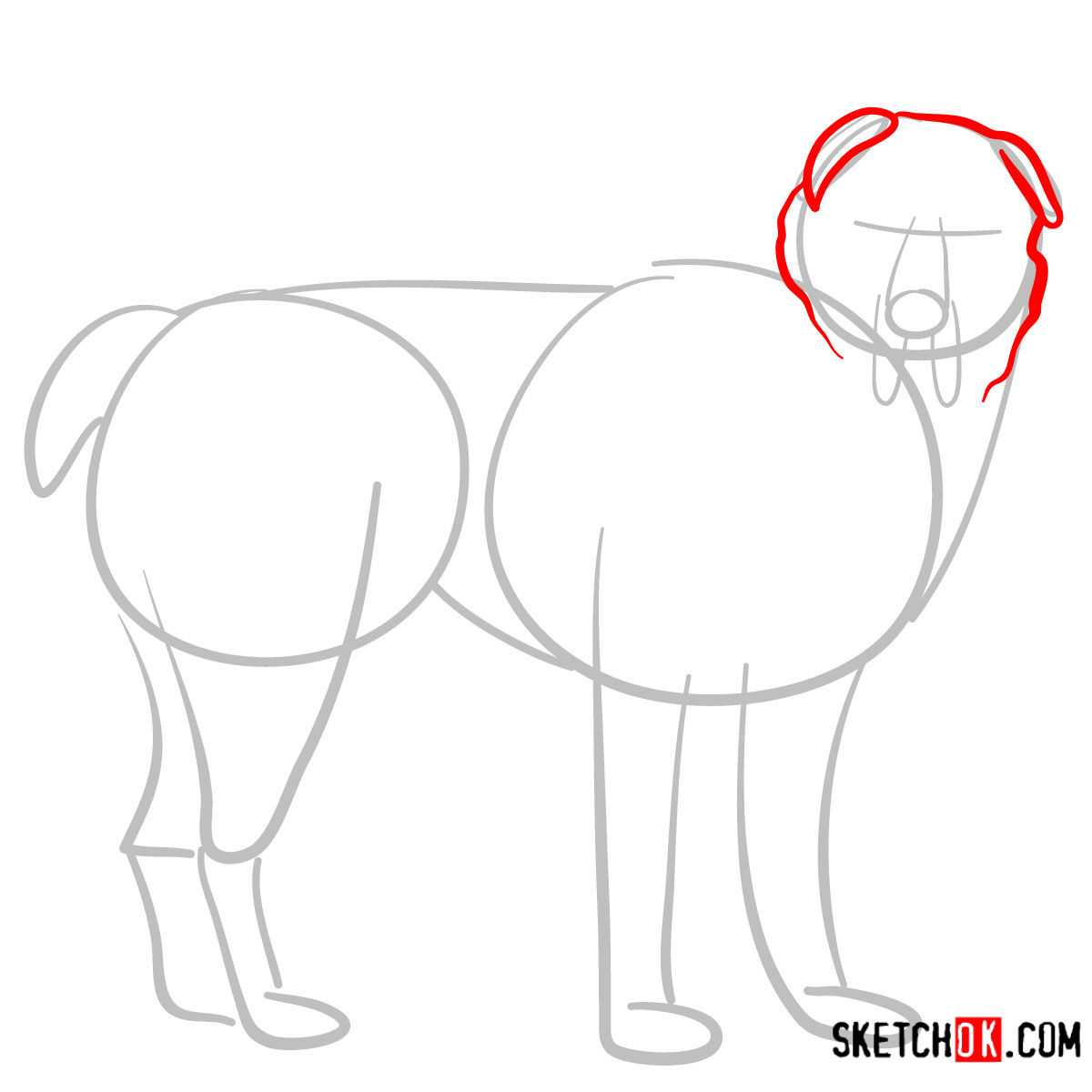
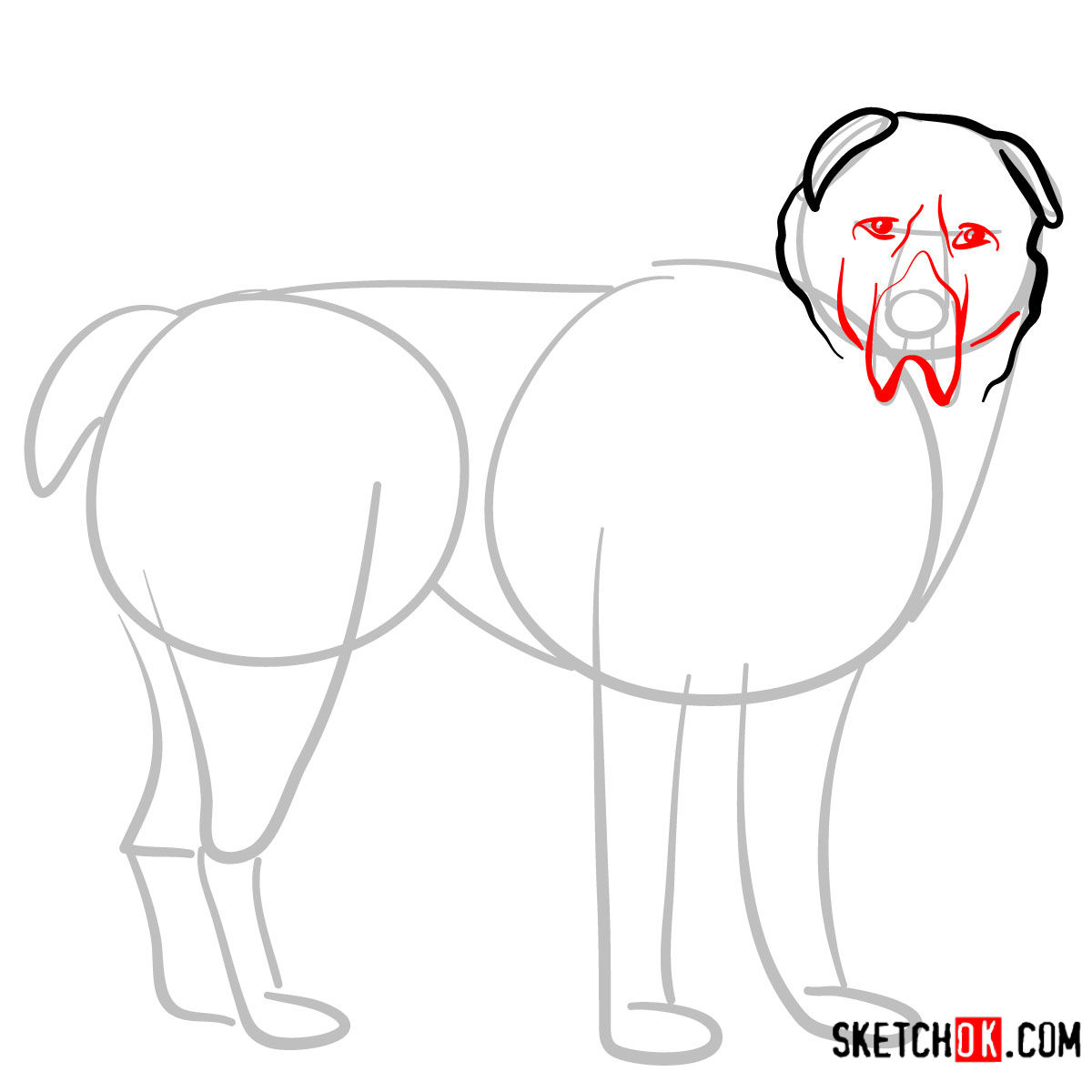
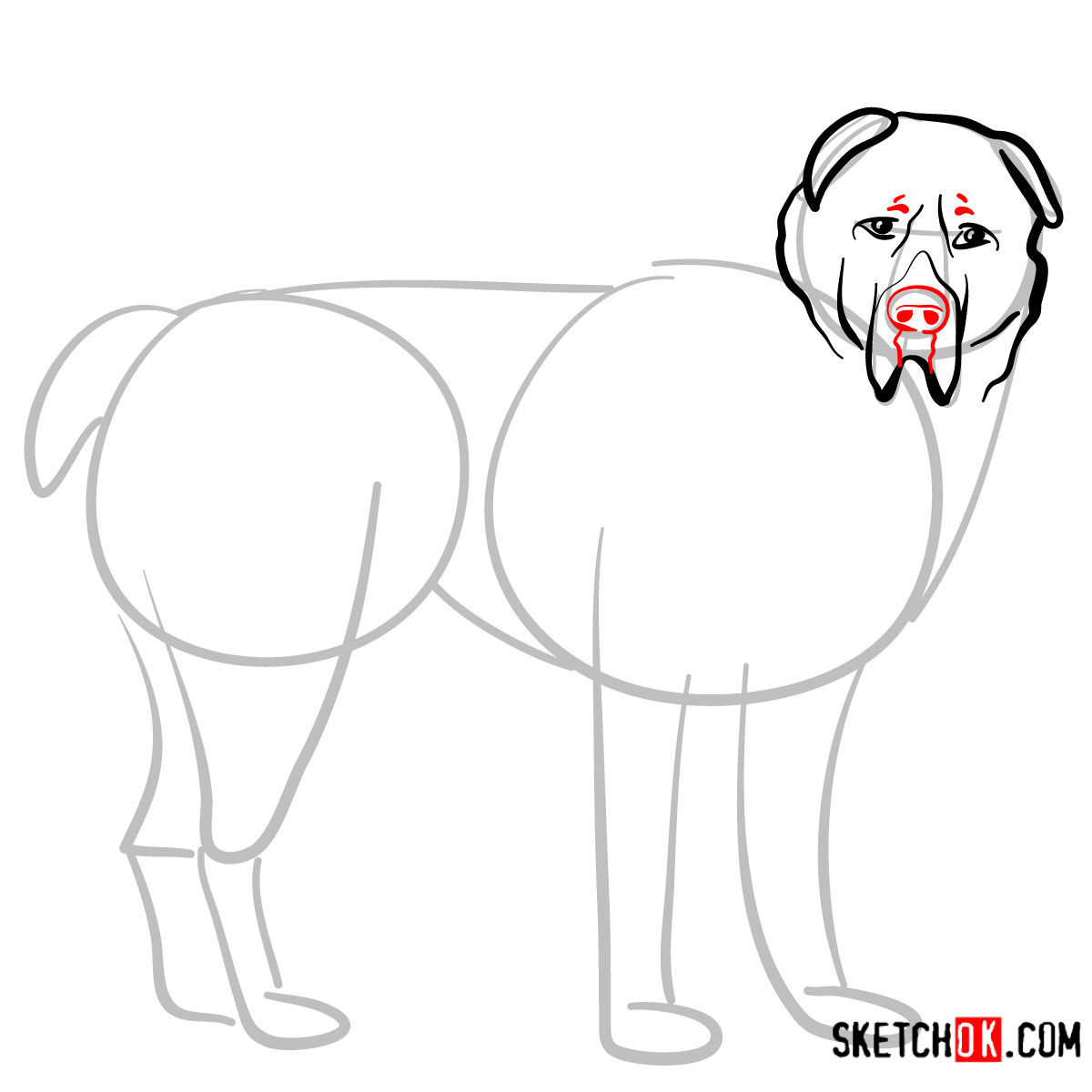
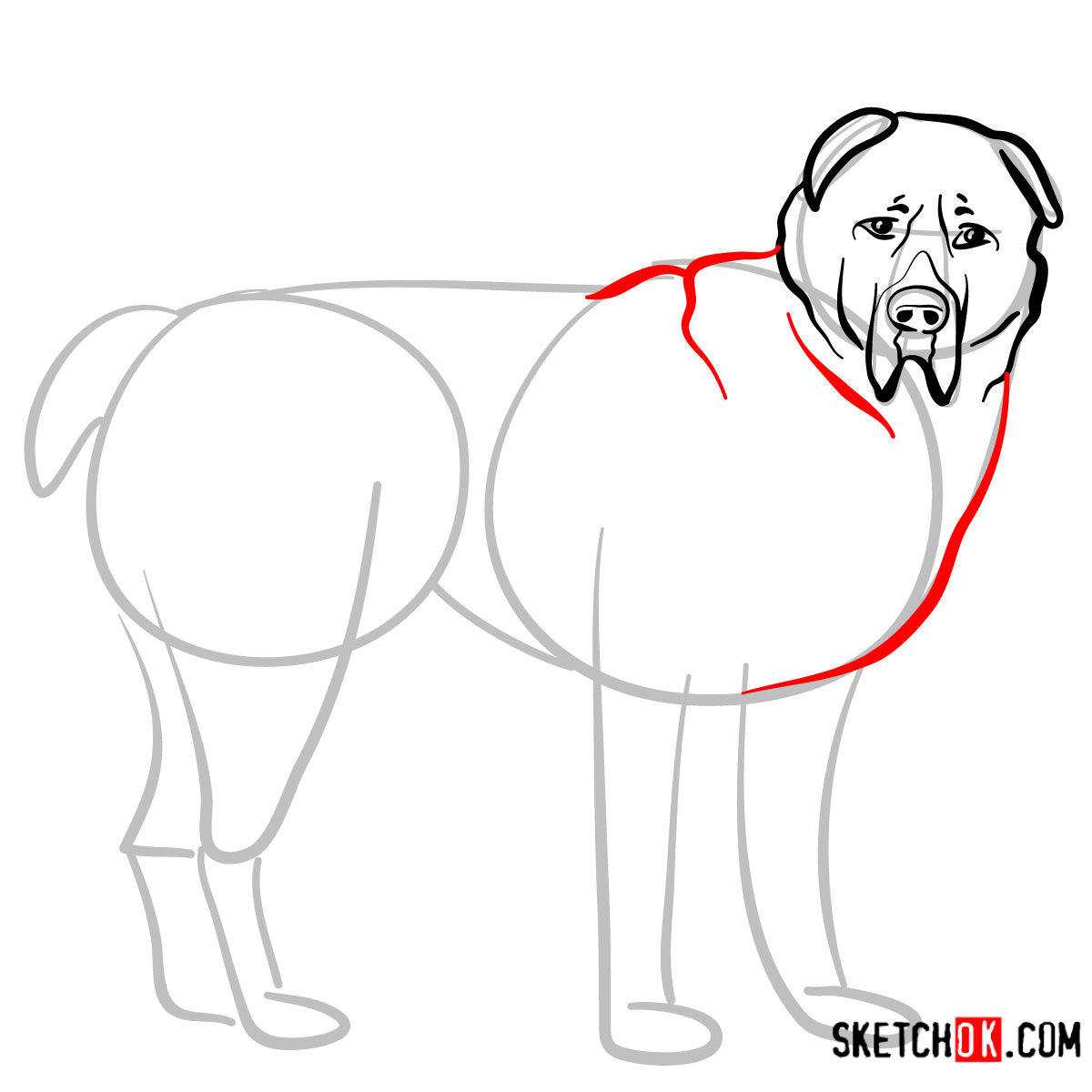
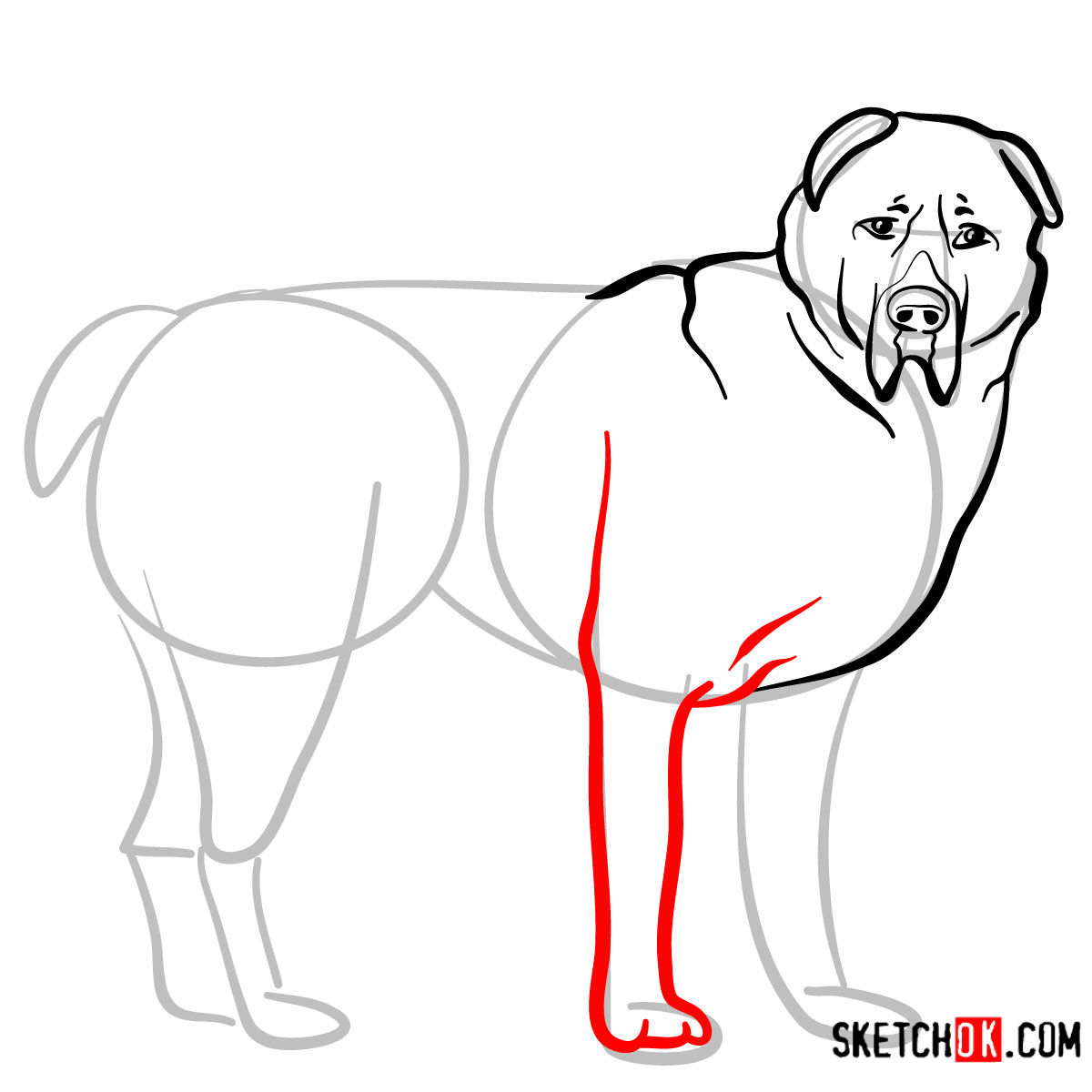
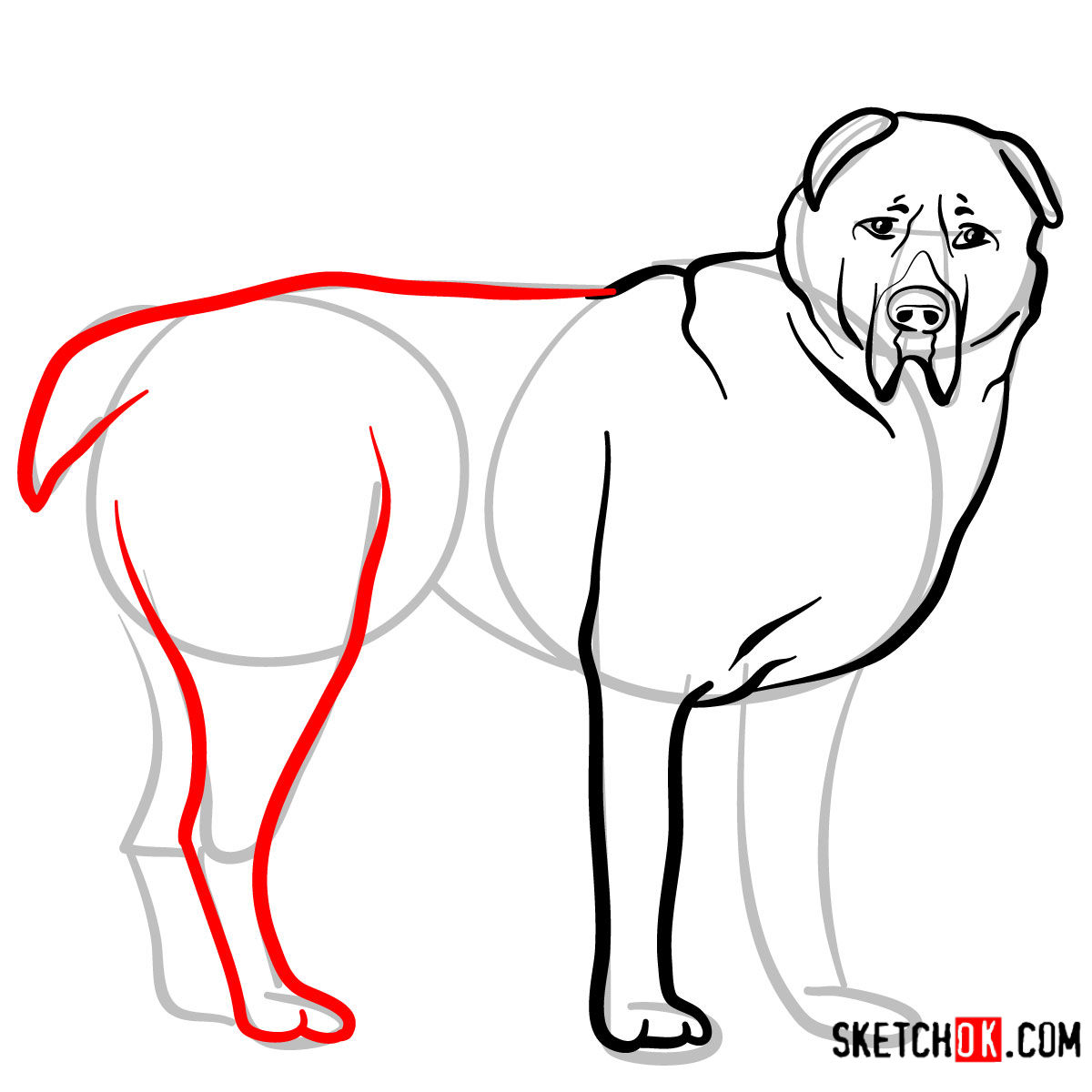
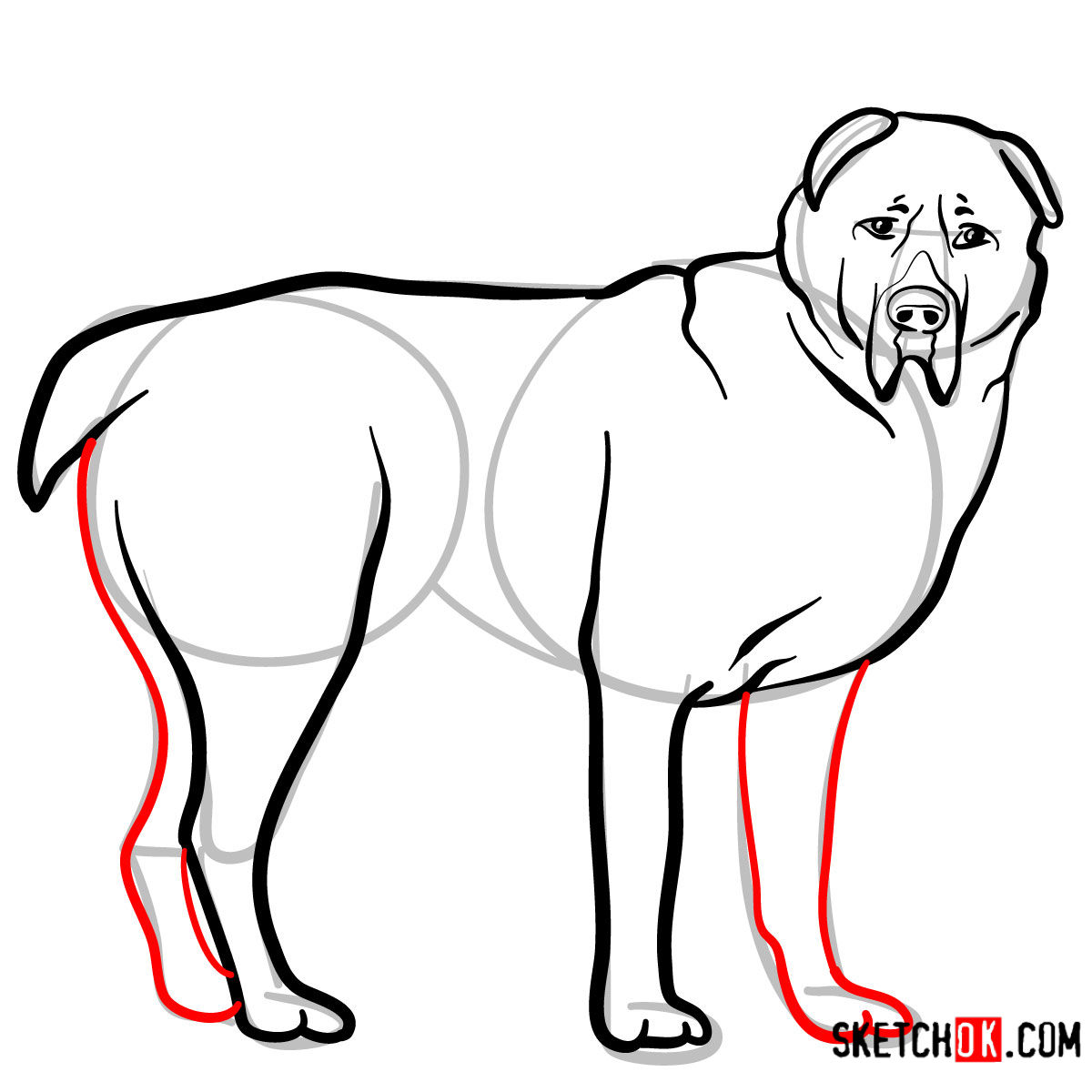
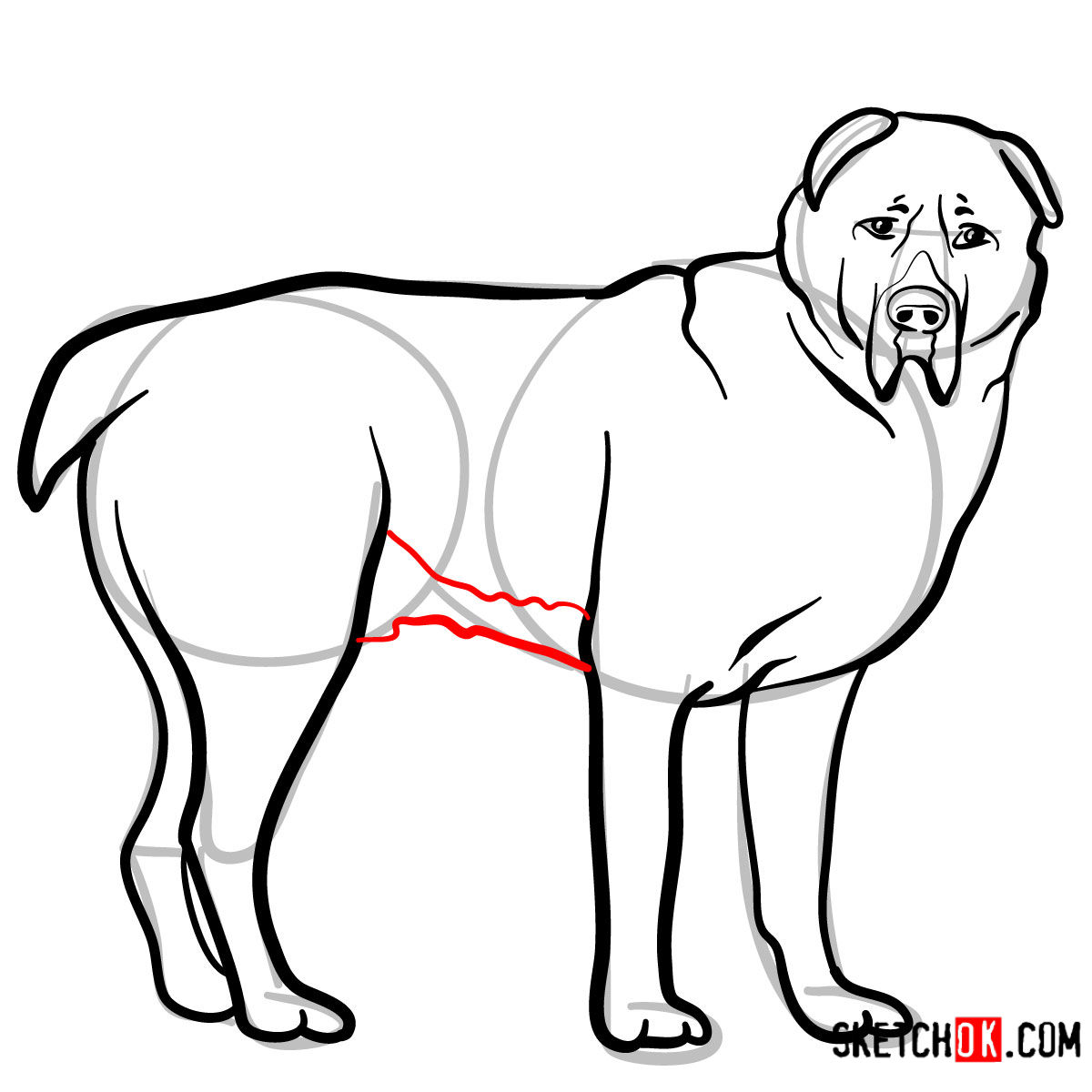
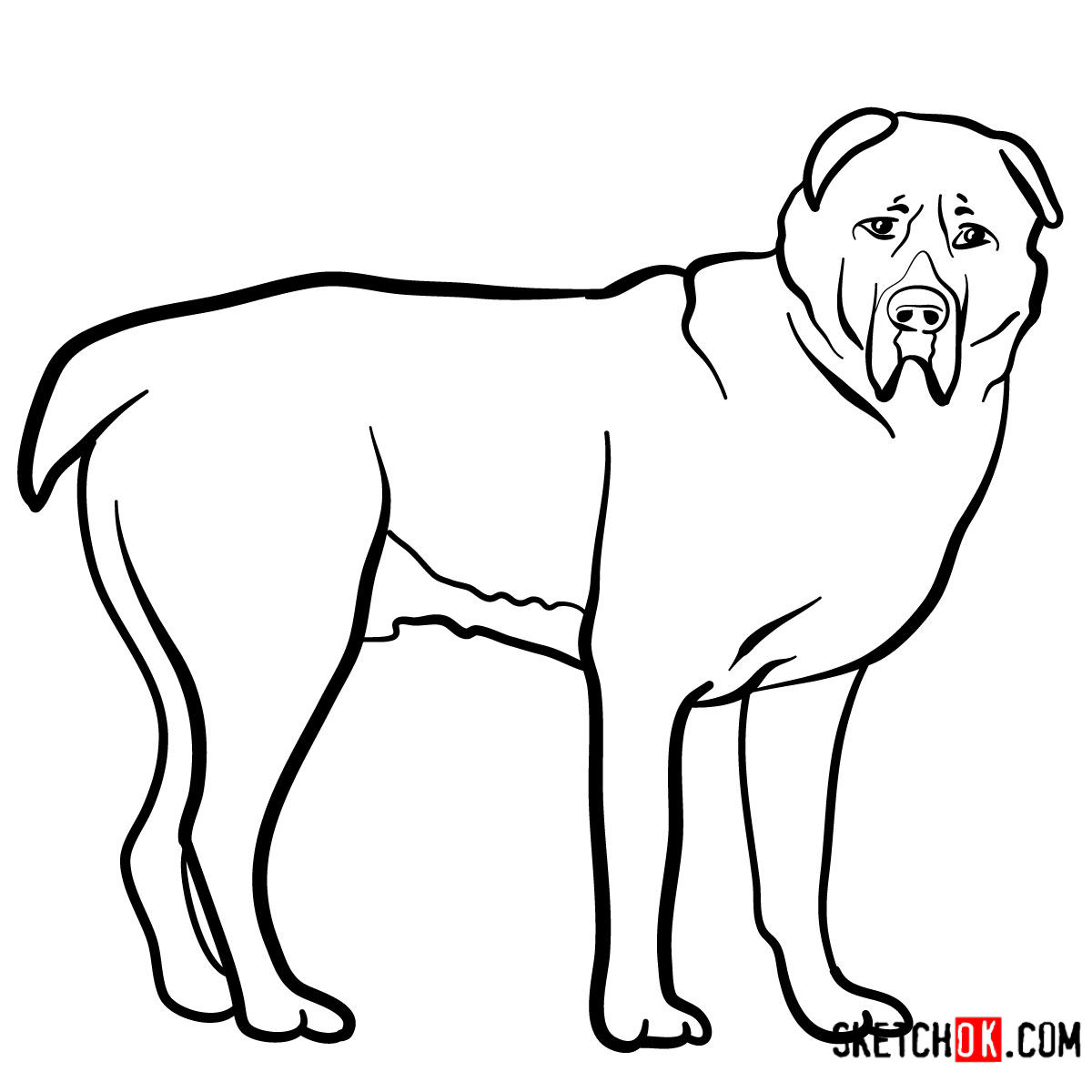
The tutorial runs 11 steps from initial shape-blocking to finished line art. The character is drawn in a three-quarter pose facing slightly toward the viewer, which means the chest width and facial planes read at an angle rather than flat on. That perspective shift is where most of the work sits. No color or shading is involved, so the focus stays entirely on clean linework and getting the proportions of this heavy, muscular dog to read correctly.
Key Features to Keep in Mind While Drawing
- Large muscular dog in upright stance
- Broad wrinkled face with droopy jowls
- Small folded ears set on wide head
- Thick neck and deep, wide chest
- Long tail curved upward at rear
This big, powerful guardian breed is great for practicing heavy, muscular builds, and it sits well alongside the Dobermann and the Husky. If you want to study the head and expression up close, the puppy face front view is good practice for facial proportions.
Reading the Color Coding in the Step Images
Each step image uses a three-color system to show exactly what is new and what is already done:
- Red Color: lines added in the current step.
- Black Color: lines completed earlier.
- Gray Color: base sketch for structure.
How to Draw the Central Asian Shepherd Dog: Step-by-Step Tutorial
Finished Your Sketch? Share It and Keep Drawing
When the line art is done, share how it came out. Posting images in the comments might already be available by now, so check, and if not, just upload your art to social media and leave a link. New tutorials appear on Facebook and Telegram as soon as they go up, a new YouTube video based on existing guides comes out every day, and Pinterest stays updated regularly. There are lots more options in the collection of 12 dog guides. If you want to support the work and grab hand-drawn coloring pages, the Patreon page is the spot.
