Last Updated on April 19, 2026
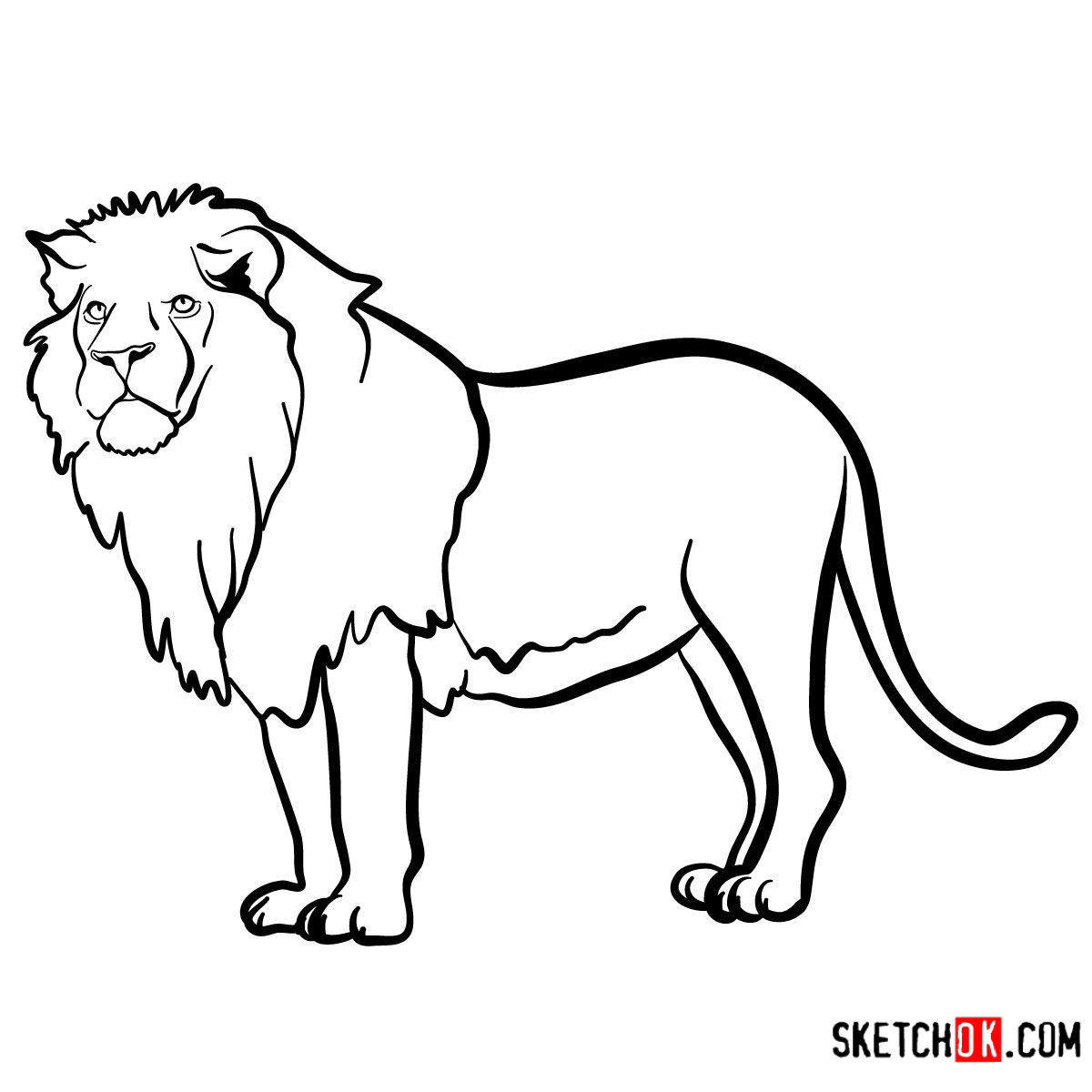
A full standing pose with the face turned toward the viewer gives this guide its structure, and working through how to draw a lion standing is the main challenge the 12 steps are built around. The tutorial is part of the Wild Animals drawing collection on the site.
What Makes This Standing Lion Worth the Practice
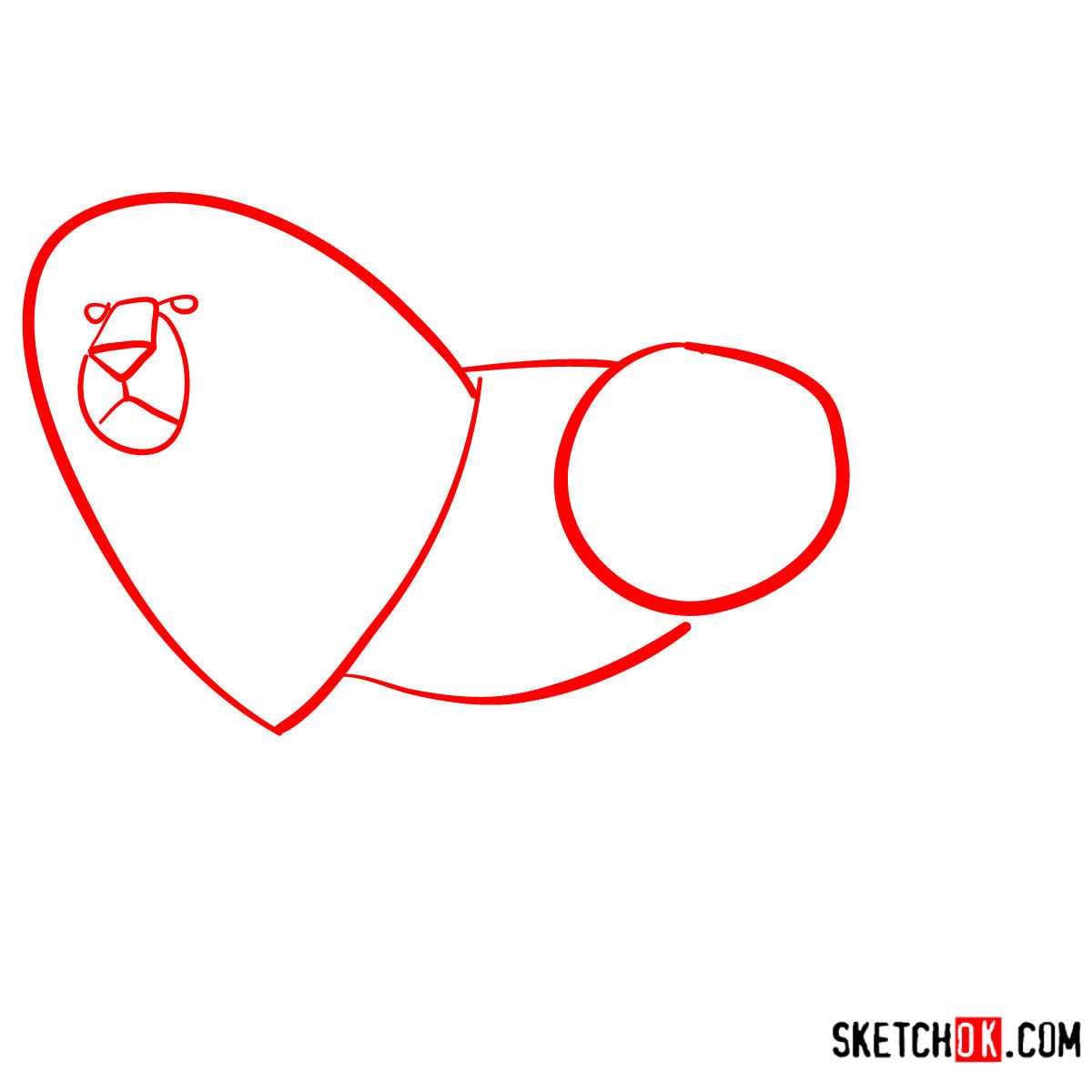
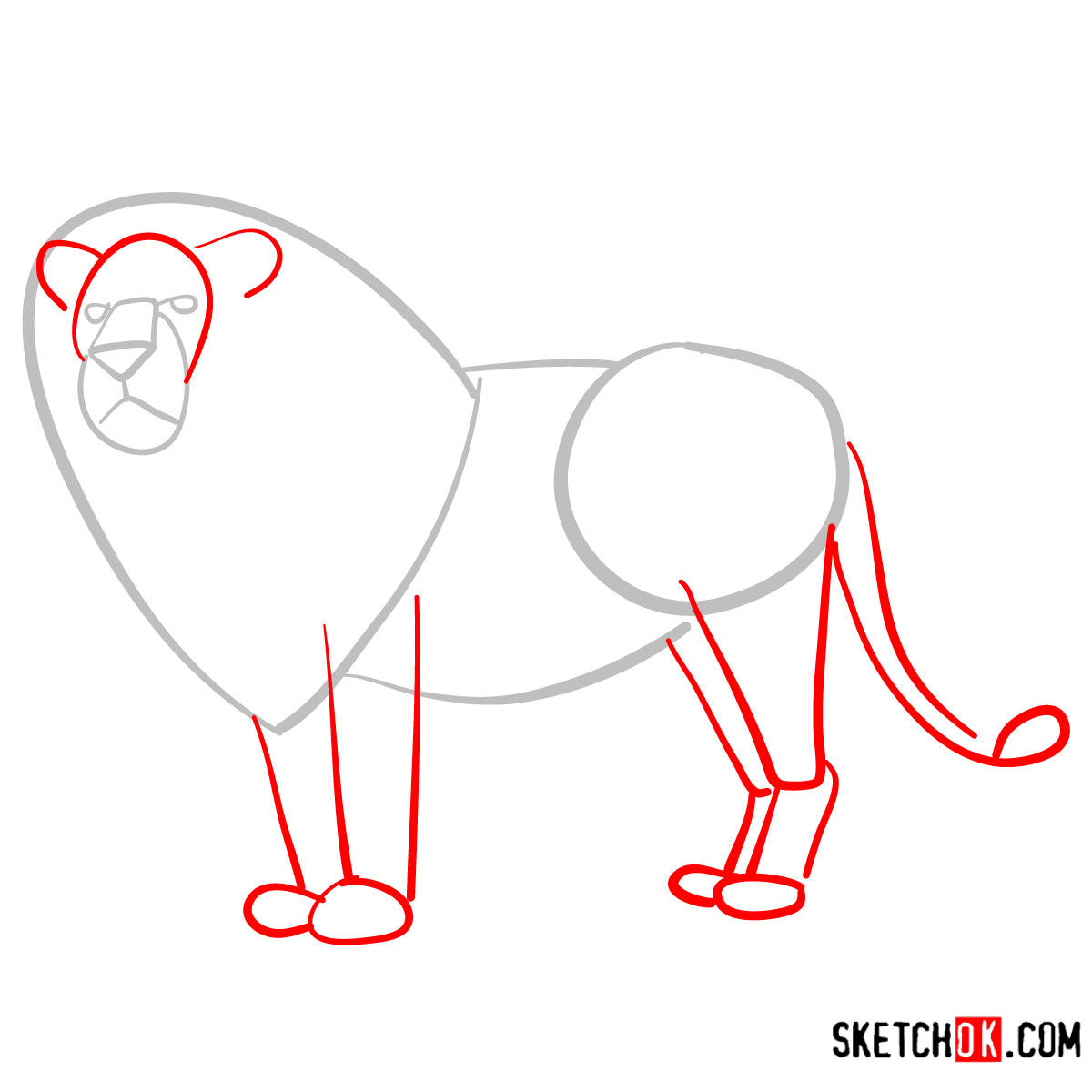
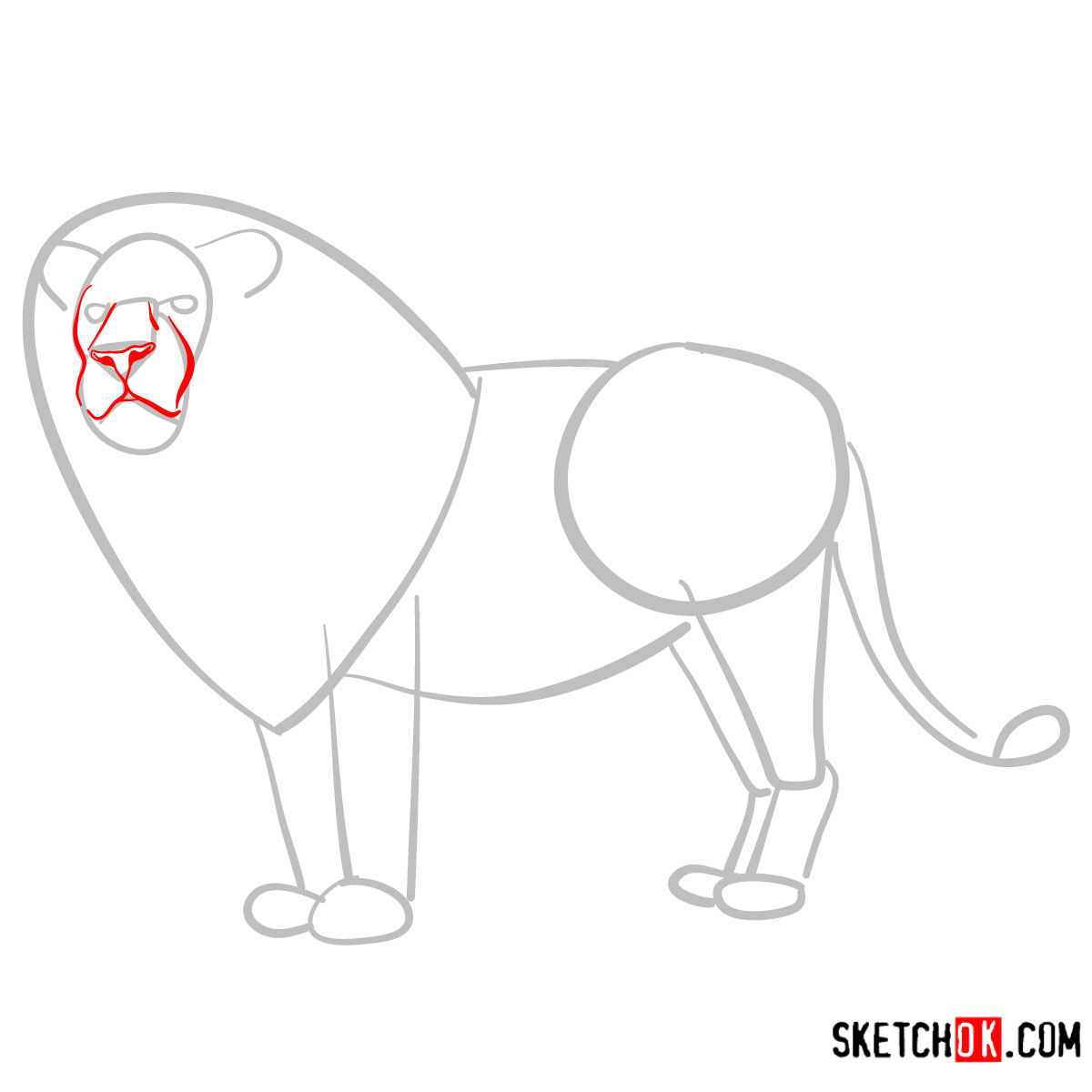
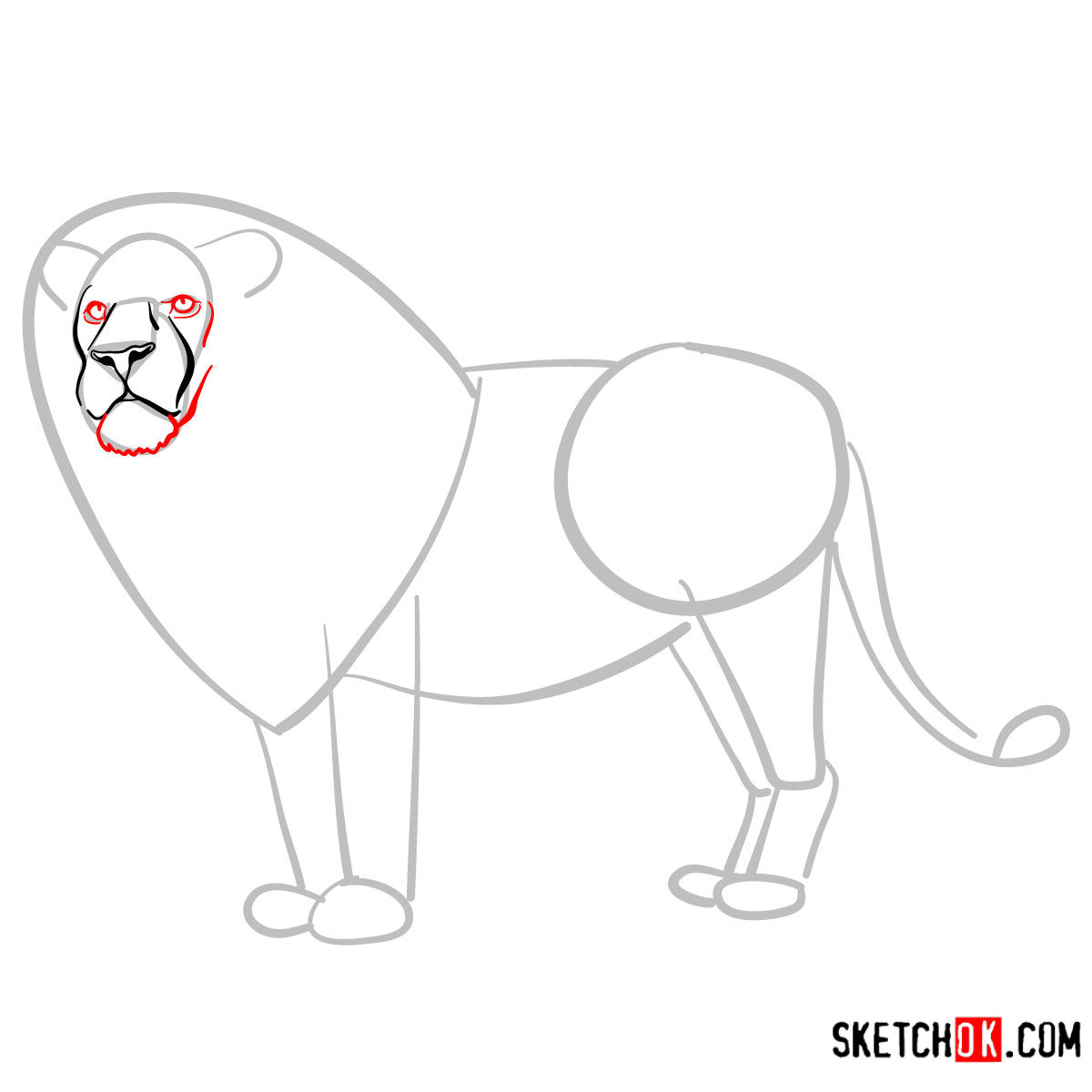
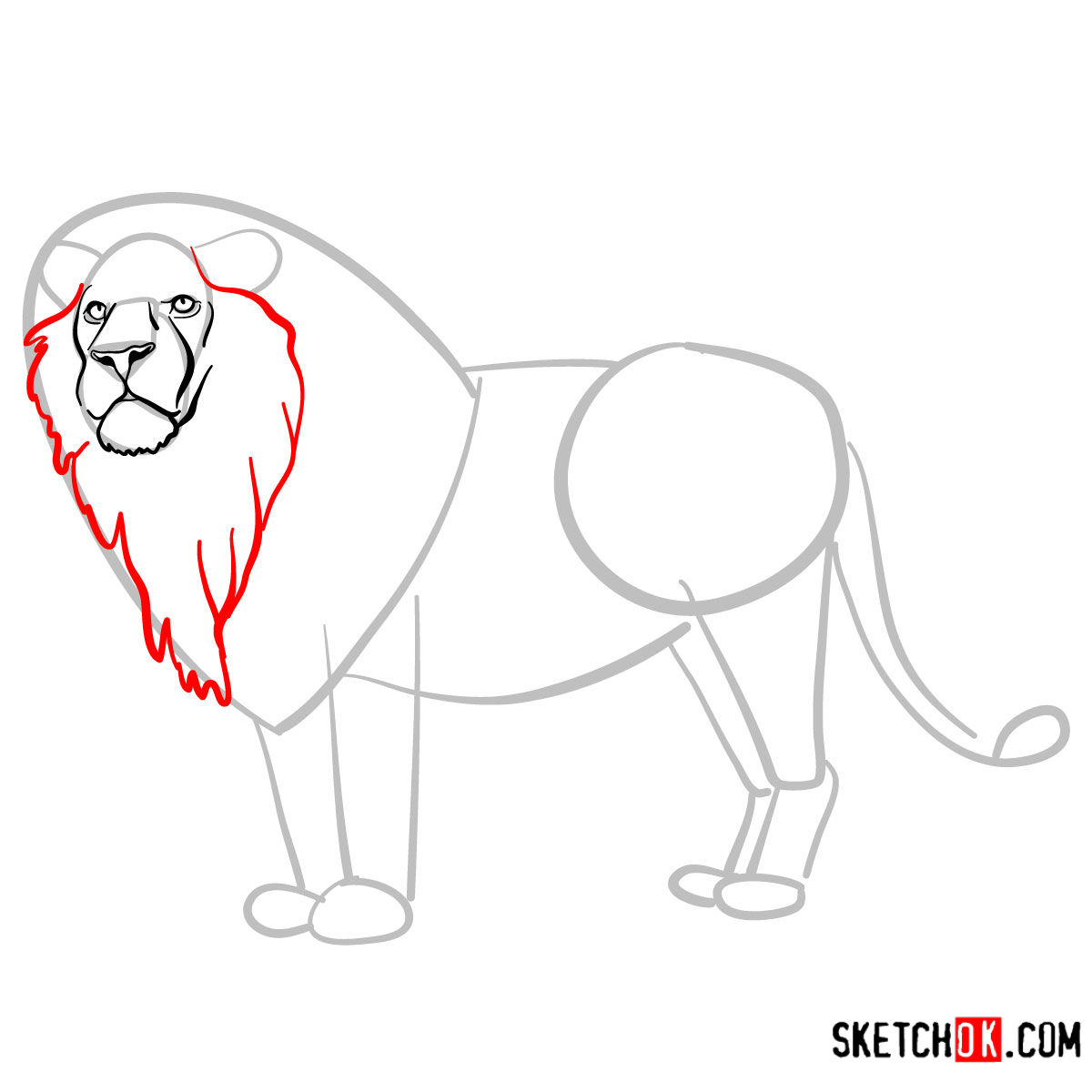
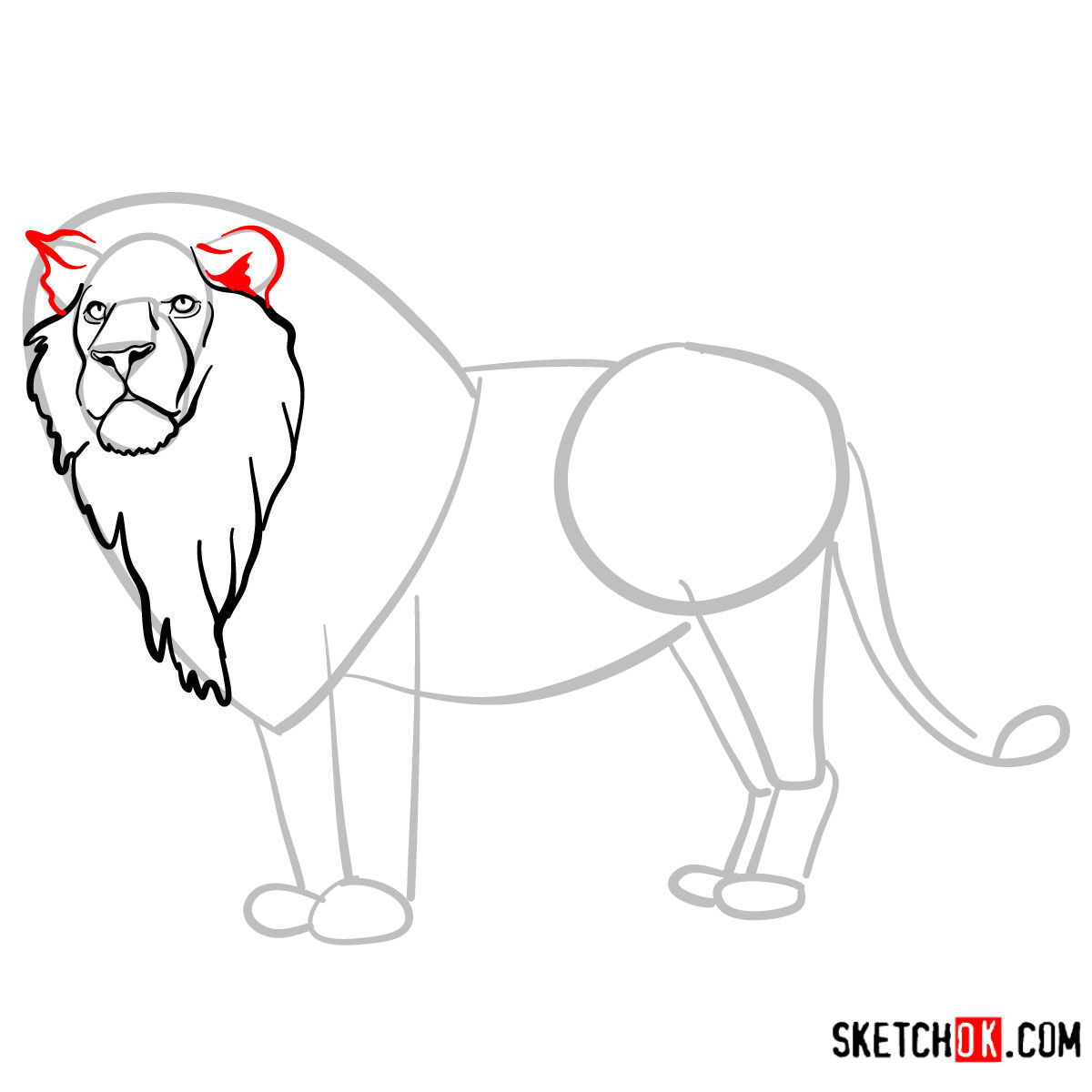
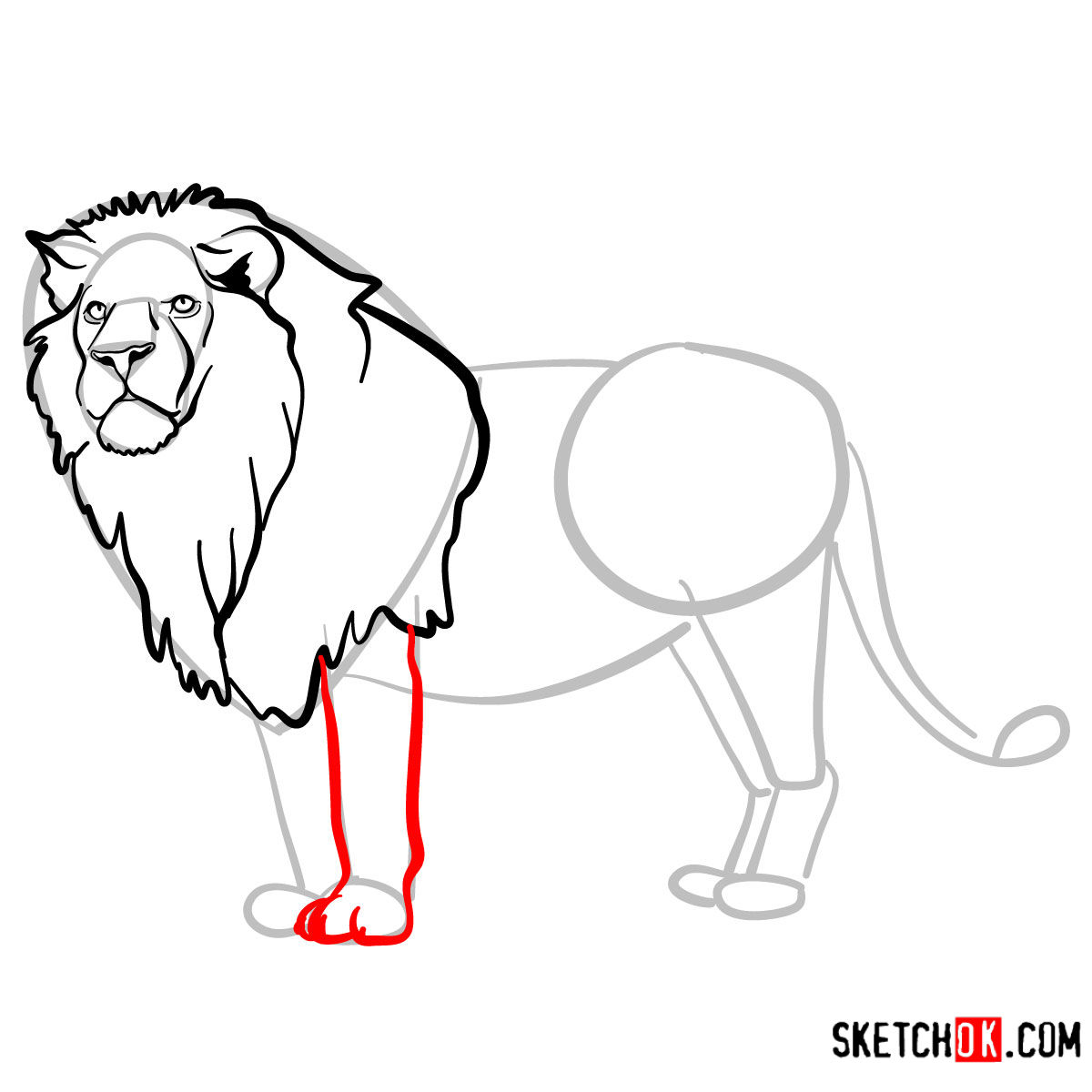
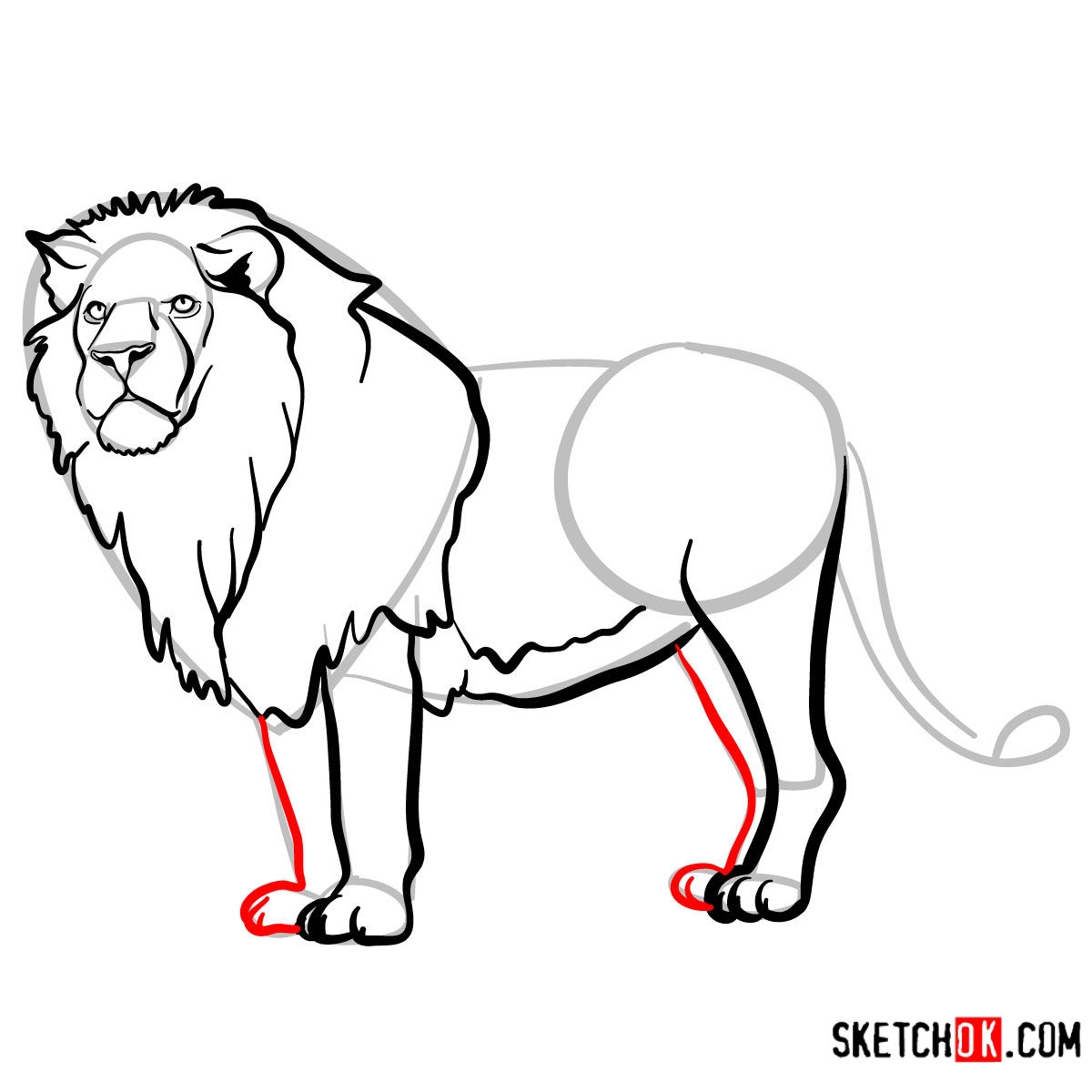
The tutorial runs 12 steps from the first rough skeleton to the finished line art. Most of the complexity lives in the mane, which uses jagged textured lines around the head and chest to suggest volume without shading. The standing side-profile pose means all four legs and the full body length have to read as balanced, so proportion work is central to the early steps.
Key Visual Features of This Lion
- Adult male with full, thick mane
- Face turned forward, alert expression
- Side-profile stance, all four legs shown
- Tail curved down, small tuft at tip
- Large paws with visible claws
If you want more big cat practice, the How to Draw a Cheetah Full Body Side View covers a similar standing pose with a different body type, and 14 lion poses in one guide is worth bookmarking if you want to keep going with lions. For face-specific work, the lioness face side view is a good companion piece.
How the Step Colors Work in This Tutorial
Each step image uses a three-color system to show exactly what is new and what is already done:
- Red Color: lines added in the current step.
- Black Color: lines completed earlier.
- Gray Color: base sketch for structure.
How to Draw a Lion Standing: Step-by-Step Tutorial



Share Your Lion Sketch When You’re Done
Once the line art is finished, drop your drawing in the comments below. Seeing what different artists do with the mane texture is always worth looking at. New tutorials go up on Facebook and Telegram as soon as they are published, a new YouTube video based on site guides goes live every day, and Pinterest stays regularly updated if you prefer saving references that way. From here, the prowling lioness or the tiger head front view are good next steps if you want to keep working on big cats. If you find these guides useful, supporting the project on Patreon helps keep them coming, and Patrons get access to unique hand-drawn coloring pages as well.
